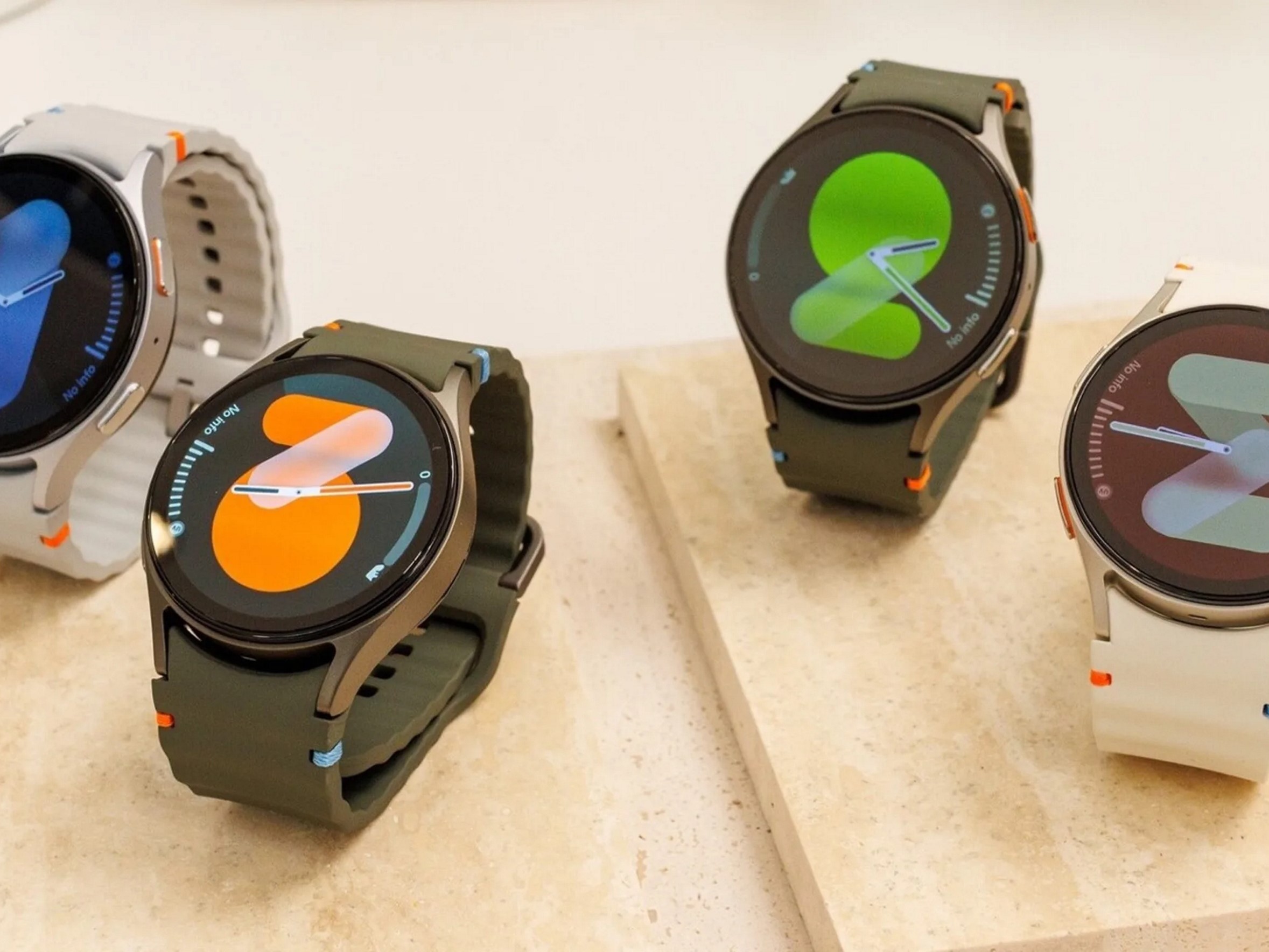
Samsung is on the brink of a technological breakthrough with its new optical glucose monitoring technology. Imagine a future where diabetic patients can effortlessly track their blood sugar levels without the need for invasive methods. That’s the vision that Samsung is pursuing, and it’s poised to revolutionize healthcare for millions.
In the world of wearables, Samsung has steadily introduced devices packed with impressive features that track everything from geographical information like location and direction to critical health metrics such as heart rate and oxygen saturation. Some even have the capability to perform an electrocardiogram. However, the elusive goal of precise, non-invasive blood glucose measurement has remained out of reach—until now.
At a recent Samsung Health Forum in San Jose, Dr. Hon Pak, the Senior Vice President and Chief of the Digital Health Team at Samsung Electronics, revealed that the company is dedicated to developing this groundbreaking technology. With an air of excitement, Dr. Pak teased that if perfected, this technique could be a monumental shift in personal health monitoring. While details about the implementation and launch are still under wraps, the potential implications are enormous.
Additionally, Samsung is diving deep into the realm of artificial intelligence to enhance the accuracy and feasibility of this blood glucose monitoring technology. While many assume this innovation might seamlessly integrate into next-generation Galaxy wearables, it’s likely that its first application could be in professional medical equipment like ultrasound systems or computed tomography scanners, which Samsung also manufactures.
However, the technological hurdles are significant. As reported by various sources, even tech giant Apple is grappling with the challenge of miniaturizing non-invasive blood glucose monitoring for consumer devices. Samsung might well encounter similar challenges, but if successful, the benefits could dramatically lower costs and improve everyday life for diabetic patients around the globe.
The anticipation surrounding Samsung’s quest for a non-invasive blood glucose monitoring solution is palpable, and the world watches eagerly as this exciting development unfolds. Could this be the next big leap forward in personal healthcare innovation? Time will tell, but the potential for a healthcare revolution is certainly on the horizon.


