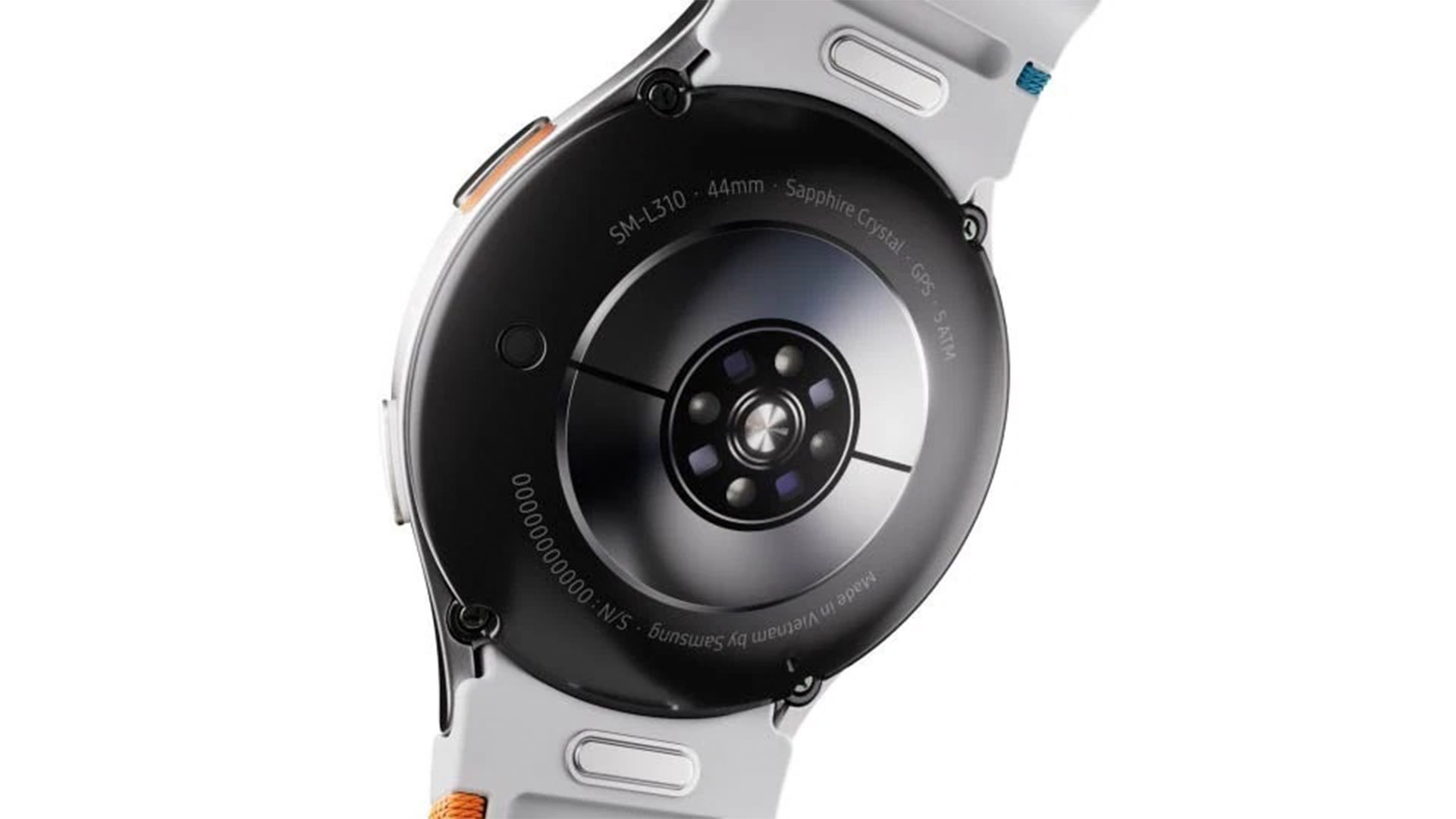
The prospect of a smartwatch equipped with a non-invasive blood glucose monitoring sensor is incredibly exciting, as it promises a new era in wearable health technology—provided it works with precision. Both Samsung and Apple are reportedly racing to incorporate this groundbreaking feature into their smartwatches. According to an executive from Samsung, significant advancements have been made, though many details remain under wraps for now.
During the recent Galaxy Tech Forum in San Jose, California, Dr. Hon Pak, Samsung’s Senior Vice President and Head of the Digital Health Team at Mobile eXperience Business, expressed his enthusiasm about the strides made in developing this innovative technology. While specifics about the feature’s release were not disclosed, Dr. Pak shared, “What I’m really excited about is our team… we are working on a non-invasive optically-based continuous glucose monitor. I’m very excited about the progress we are making, and this, if we do it right, will be a game-changer.”
Samsung’s ambition to introduce health-focused functionalities, much like the Apple Watch’s ECG feature, demonstrates its commitment to leading the pack in non-invasive blood glucose monitoring. Although Samsung hinted at the development of a Galaxy Ring featuring health-oriented capabilities back in early 2024, it seems the focus remains strongly on this particular innovation for the Galaxy Watch series.
Apple, despite its deep experience in smartwatch health technology, has faced challenges on this front. This turns a spotlight on Samsung, which might debut this feature first. However, given the absence of a specific launch timeline from Samsung, it might still be a few years before we see non-invasive blood glucose monitoring integrated into a Galaxy Watch.
Should Samsung succeed, the arrival of this technology would indeed revolutionize not only the smartwatch market but also have significant implications for the medical industry, offering a non-traditional method for glucose monitoring. As we anticipate this breakthrough, the potential impacts on healthcare and daily life are immense, possibly setting a new standard in personal health monitoring.