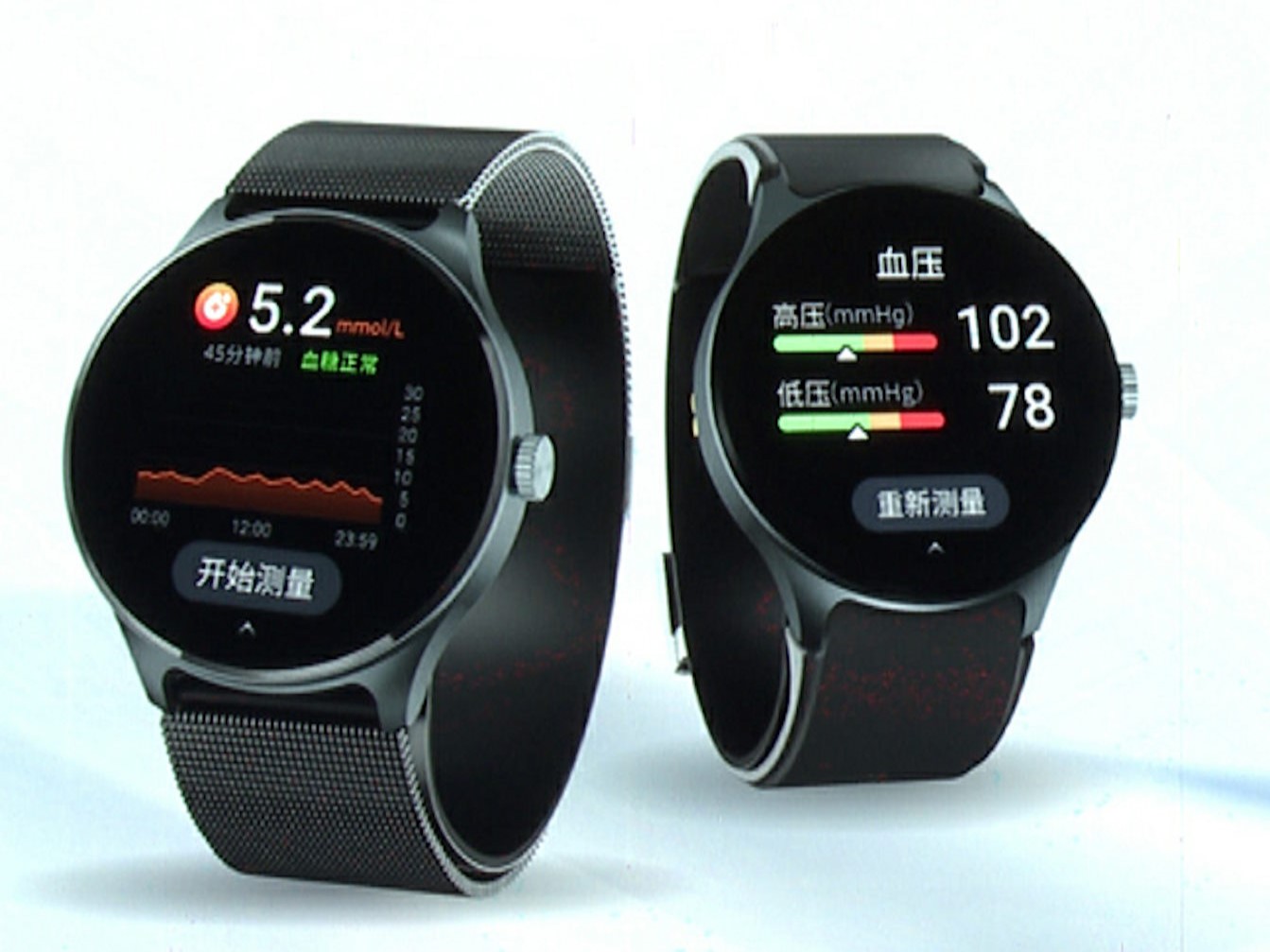
Innovations in wearable technology continue to push the boundaries of what smart devices can do. It seems that every new device promises to enhance our lives further with clever features that monitor our wellbeing. Enter the Orange Pi Watch D Pro, a smartwatch boasting capabilities that could revolutionize the market with its high-precision vitals monitoring.
Orange Pi, most recognized for its single-board computers akin to Raspberry Pi, is branching out with its own line of wearables. The latest addition in the works is the Orange Pi Watch D Pro, creatively unveiled at a recent developer conference. It extends beyond the realm of gaming handhelds and computers that Orange Pi is known for, indicating a bold new direction for the company. The watch is expected to be equipped with advanced optical sensor technology capable of reading various health markers.
One of the headline features of the Orange Pi Watch D Pro is its ability to measure not just the heart rate—a feature now deemed standard in the world of smartwatches—but also blood pressure and blood sugar levels. If this proves to be accurate, it could be a revolutionary advancement within both wearable tech and clinical monitoring, bringing lab-grade precision to consumers’ wrists.
The claims presented by the company suggest that the smartwatch’s measurements could be reliable and accurate enough to receive certification as a medical device. However, considering the ambitious nature of such statements and past instances where high-tech smartwatches have fallen short on their health-related promises, a cautious approach is advised by industry observers.
This skepticism is not unwarranted given the history of wearables with lofty goals that fail to deliver. However, it’s important to note that some tech giants like Samsung have begun to incorporate blood pressure monitoring with supportive calibration into their devices, inching closer to the kind of integrative health management that Orange Pi aspires to.
From the images shared, the Orange Pi Watch D’s design appears to be elegant with a traditional round face, a crown for navigation, and a sleek aesthetic that should blend well with everyday fashion while still offering cutting-edge tech.
As the smartwatch industry continues to grow at an impressive rate, the demand for more sophisticated health monitoring features is becoming apparent. The potential of the Orange Pi Watch D Pro hinges on its ability to deliver on its medical monitoring promises. Whether or not it will meet these expectations and set a new standard remains to be seen.
What is clear is that the interest in smartwatches that serve as genuine tools for health management is stronger than ever. The convergence of technology, health, and convenience exemplified by Orange Pi’s announcement represents a compelling development for consumers and medical practitioners alike.
The advent of a smartwatch capable of such advanced monitoring could empower individuals with real-time health data, influence lifestyle choices, and possibly even assist in early diagnosis and medical intervention.
In conclusion, the Orange Pi Watch D Pro has made a bold statement ahead of its release. While anticipation and intrigue surround its alleged capabilities, the tech community awaits concrete evidence and the possibility of experiencing this potential medical marvel firsthand. The success of Orange Pi’s foray into health-centric wearables may not only elevate the brand but also shape the future of personal health monitoring technology.