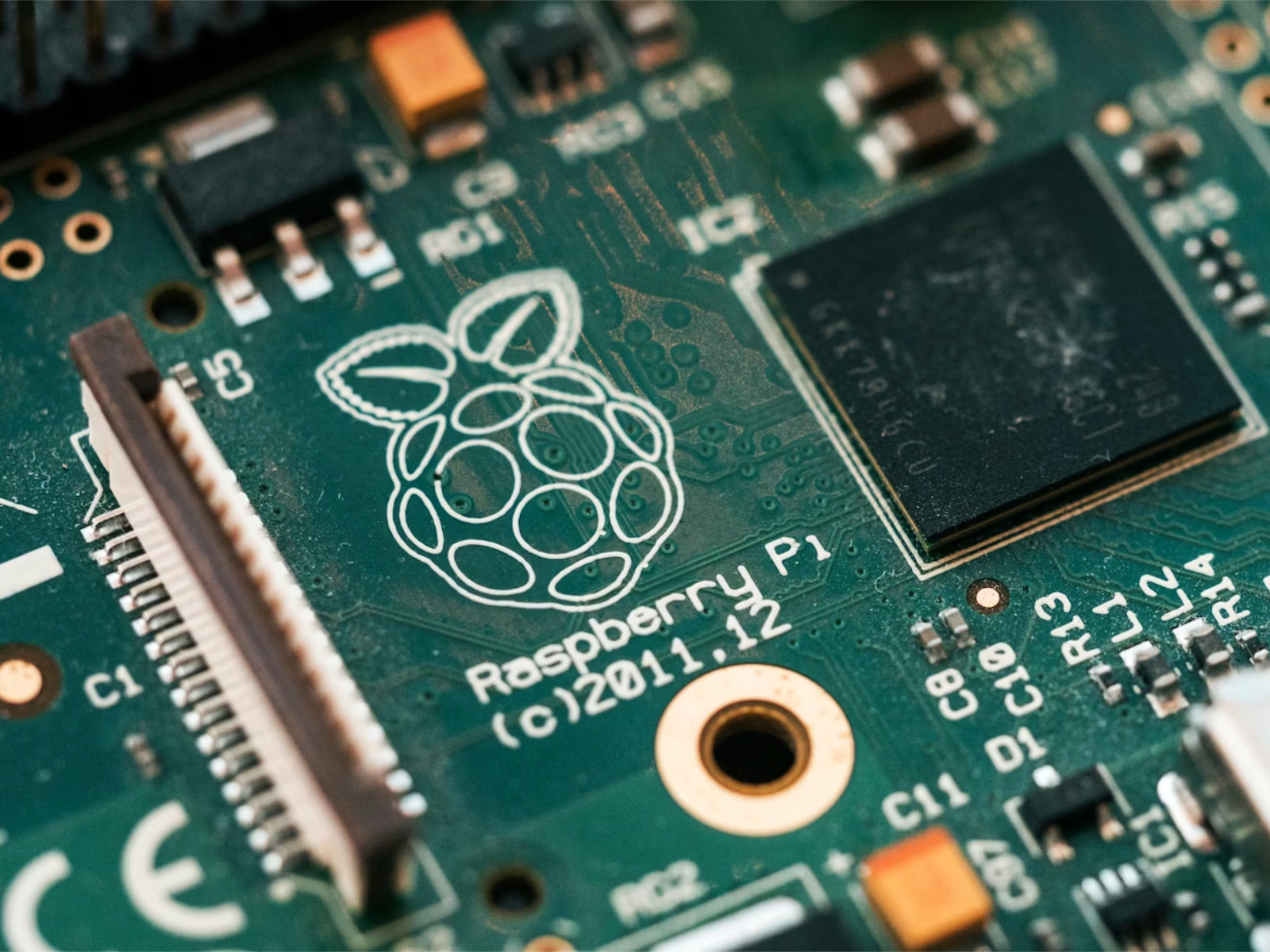
Raspberry Pi 6 release timeline clarified as Raspberry Pi 5 remains the flagship for longer
Raspberry Pi fans hoping for a quick jump to the Raspberry Pi 6 may need to be patient. While the Raspberry Pi 5 has already become a popular choice for makers, developers, home server builders, and compact computing projects, the next major generation is not expected to arrive in the near future.
During a recent Reddit AMA, the official Raspberry Pi account addressed questions about the company’s future hardware plans. According to the response, major Raspberry Pi platform releases have historically followed a cycle of roughly four to four and a half years. Based on that pattern, the Raspberry Pi 6 is unlikely to launch before early 2028.
That means the Raspberry Pi 5 is set to remain the company’s flagship single-board computer for a while longer. Raspberry Pi indicated that the current platform still has plenty of room to grow, describing it as a product with strong long-term potential. In other words, instead of rushing toward a new generation, the company appears focused on continuing to support and build around the Pi 5 ecosystem.
This is important news for anyone planning a Raspberry Pi project in 2026 or 2027. Buyers do not need to worry that the Raspberry Pi 5 will be replaced immediately by a newer model. For hobbyists, educators, industrial users, and DIY enthusiasts, the Pi 5 should remain a relevant and supported option for years.
The company also offered some early insight into what users can expect from the Raspberry Pi 6 when it eventually arrives. Rather than a complete redesign, the next-generation board is expected to keep the same general form factor and overall functionality as the Raspberry Pi 5. That suggests continued compatibility may remain a priority, especially for users who rely on existing cases, accessories, add-ons, and project setups.
However, the Raspberry Pi 6 is still expected to bring measurable improvements. The company described the future upgrade as more “quantitative” than “qualitative,” meaning users should expect better performance, improved efficiency, or upgraded specifications rather than a dramatic change in what the device is designed to do.
For Raspberry Pi users, this approach makes sense. The brand has built much of its success on accessibility, compatibility, and a stable hardware ecosystem. A future Raspberry Pi 6 that improves speed and capability while keeping the familiar layout could make upgrading easier for both individual users and organizations that deploy Raspberry Pi boards at scale.
For now, the message is clear: the Raspberry Pi 6 is coming eventually, but not anytime soon. The Raspberry Pi 5 remains the top model in the lineup, and it looks likely to keep that position until at least early 2028. Users looking for a powerful and flexible single-board computer today can continue investing in the Pi 5 with confidence, knowing it is expected to stay central to Raspberry Pi’s plans for the foreseeable future.