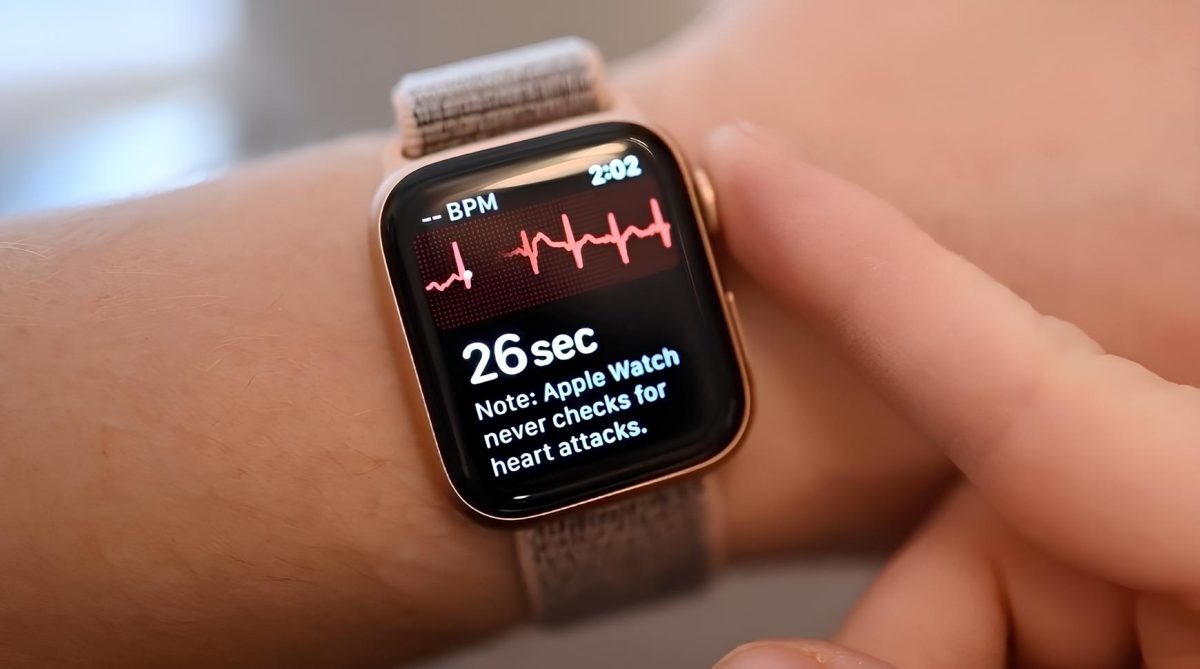
The Apple Watch has increasingly become a vital health-monitoring tool, and various testimonies from users who have experienced its benefits continue to emerge. In a recent incident, a life-threatening situation was averted thanks to the vigilance of an Apple Watch. This incident underlines the gadget’s growing reputation as a guardian of personal health.
A Montecito, California native, Peter Moore, credited his Apple Watch with saving his life. He shared his near-catastrophic experience when the watch alerted him to an unusually low heart rate. Moore, feeling lightheaded on the way to collect his daughter from the airport, thought a brief stop might be the remedy. Yet, it was his Apple Watch that notified him of the serious issue at hand – his heart rate had plummeted to 32 beats per minute.
Heeding the watch’s warning, Moore informed his wife, who promptly took him to the hospital for urgent medical care. Upon arrival, he was met by Doctor Omid Yousefian, who immediately recognized the need for a pacemaker. The quick actions, prompted by the Apple Watch’s alert, were crucial in addressing the dangerous health condition in time.
Doctor Yousefian highlighted the importance of symptoms in medical diagnosis and praised the way Moore connected the alert from his watch to the symptoms he experienced. This connection and the resulting swift action were instrumental in preventing a possible dire outcome.
After having a pacemaker fitted, Moore expressed considerable relief and gratitude for the technology on his wrist. A self-professed tech enthusiast, his appreciation for the wearable tech’s capabilities has been significantly bolstered by this event. His testimonial also emphasizes the broader value of wearable technology in real-time health monitoring.
Reports about the Apple Watch’s lifesaving abilities have become more frequent, showcasing the device’s evolving capabilities. Apple continues to enhance the Apple Watch, integrating more health-centric features each year and broadening its potential to offer critical health data. In anticipation, there are talks that future iterations of the device may include groundbreaking features like glucose-measuring sensors.
Beyond improving health features, Apple is exploring a wider audience reach. Rumors suggest plans are underway to introduce a plastic variant of the watch, potentially making it more accessible to a younger demographic.
These advances highlight the transformative power wearable technology holds, not just in everyday convenience, but in its capacity to offer life-saving alerts. For individuals such as Moore, the integration of sophisticated health tracking into a device worn daily has had a profound and personal impact, proving the worth of such technology in emergent health matters.
These stories not only showcase the impressive range of features provided by existing technology but also spark excitement for future developments and their potential impact on our health and wellbeing.
In conclusion, keeping abreast of the evolving features of health-related devices, such as the Apple Watch, proves valuable for individuals seeking proactive health management. As we witness the integration of cutting-edge technology into everyday wearables, stories like Moore’s reinforce the importance of these developments and their life-saving capabilities.