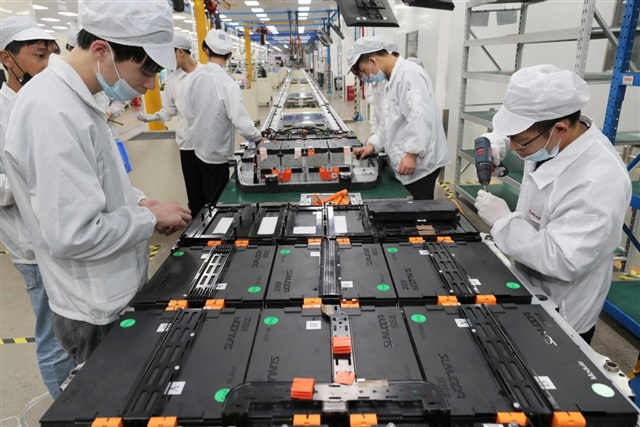
Lithium, a vital component in the production of electric vehicle (EV) batteries, once enjoyed a status as a powerhouse in the commodities market due to the EV boom. In recent times, however, this sector has been navigating through challenging waters as lithium prices have taken a sharp downturn. This has led to substantial impacts on the battery industry, with major suppliers having to reconsider and scale back investments.
The reversal in lithium’s fortunes can be attributed to a complex interplay of factors. A key issue is market saturation; with the initial rush to invest in lithium production, the market is starting to experience an excess supply. This surplus is putting downward pressure on prices, making it less lucrative for suppliers to continue expanding their operations.
Another contributing element is the advancement of battery technology. As research progresses, there is a continuous search for more efficient and cost-effective materials to use in batteries. This innovation drive may potentially decrease the reliance on lithium in the future, which could dampen long-term demand prospects.
For those involved in the industry or considering investment, it’s imperative to stay informed about the fluctuating landscape. One must carefully monitor market trends, such as shifts in EV sales patterns, advancements in alternative battery compositions, and global economic factors that may influence the demand for consumer electronics and electric vehicles.
To navigate the current environment, suppliers and investors should:
– Conduct thorough market research to understand the supply and demand dynamics of lithium.
– Diversify investments to mitigate the risk associated with lithium’s price volatility.
– Pay attention to developments in battery technology that may change the demand for lithium.
– Stay alert to policy changes and environmental regulations that could affect mining operations and the EV market.
Understanding recent trends and data, such as the push for sustainable and domestic sourcing of battery materials, is also crucial. This knowledge can help industry participants to position themselves advantageously within the market and anticipate shifts in consumer preferences.
Incorporating these insights into your daily life or professional decision-making could mean investing in companies that are innovating in the battery space or opting for EVs that use alternative energy storage technologies. Remaining attuned to these changes can help one make more informed choices that align with the evolving economic and environmental landscape.
In conclusion, while the lithium sector has faced a downturn in prices, leading to a ‘bust’ after its previous boom, it is essential for those in the industry to remain agile and informed. By anticipating market changes and adapting strategies accordingly, stakeholders can continue to find opportunities in the ever-evolving battery industry.


