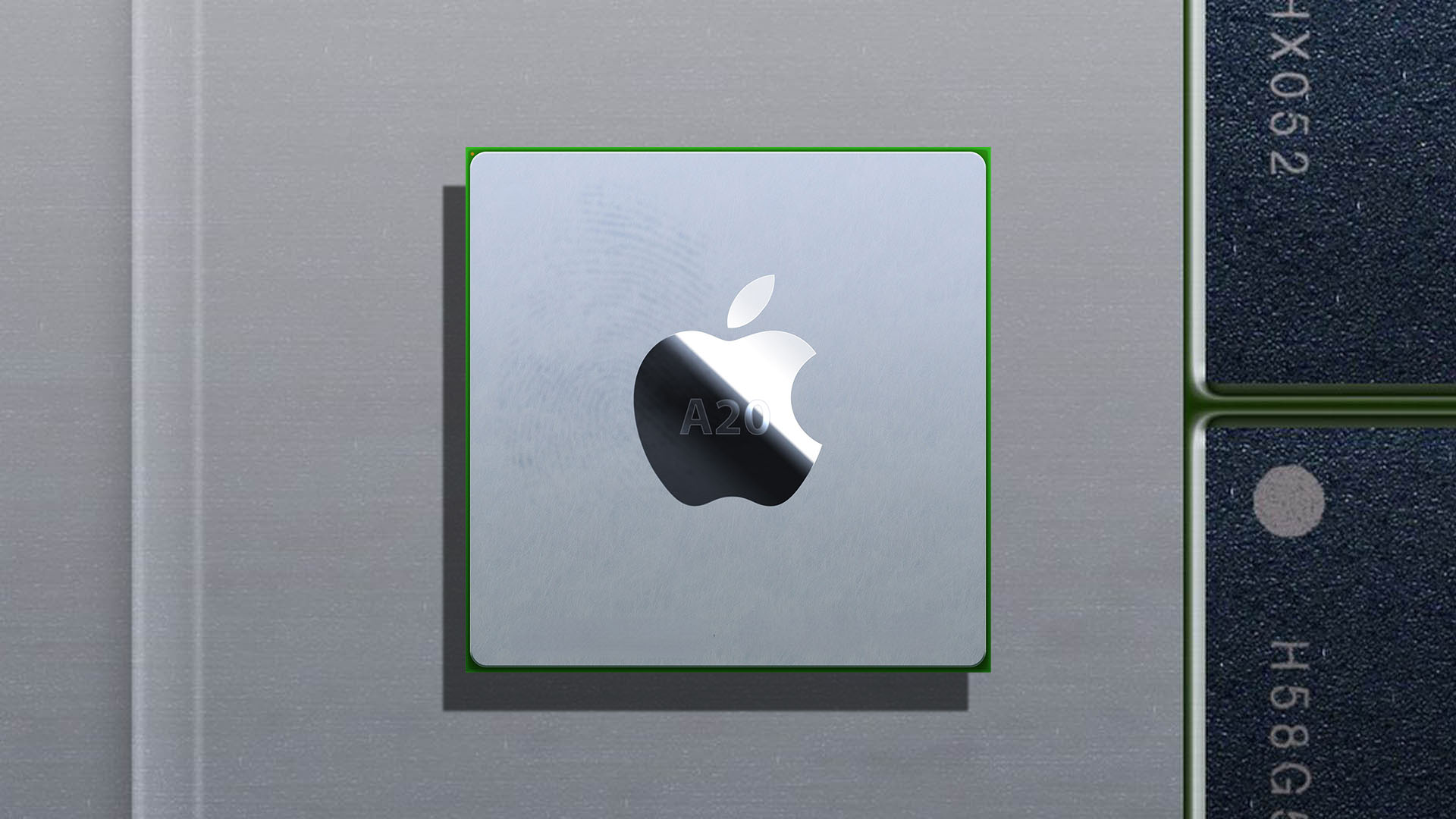
Apple is set to make tech waves with the anticipated launch of its first 2nm chipsets, potentially integrated into the iPhone 18 series. This leap forward is powered by TSMC’s innovative strides in chip manufacturing. However, advanced technology comes at a price. Each wafer using this state-of-the-art process is estimated to cost around $30,000, positioning Apple among the few tech giants ready to embrace this new frontier.
To combat high costs and enhance the chip’s capabilities, Apple plans to transition from its current Integrated Fan-Out (InFO) packaging to a more advanced Multi-Chip Module Packaging (WMCM) by 2026. Esteemed analyst Ming-Chi Kuo suggests this shift will make its debut with the A20 chip in the iPhone 18, marking a significant change in strategy.
WMCM packaging, which Apple has explored previously, provides several benefits. It incorporates Molding Underfill (MUF), streamlining the underfill and molding processes. This innovative approach not only cuts material use but also boosts manufacturing efficiency. Despite TSMC’s trial run yields standing at about 60%, Apple is keen to implement methods that further optimize the production and reduce chip costs, especially since there’s no guarantee of preferential treatment from TSMC for any defective wafers.
Moreover, Apple is rumored to be exploring System on Integrated Chips (SoIC) technology. This involves stacking two advanced chips directly atop one another, creating densely packed connections that enhance performance and efficiency while reducing latency. However, this technology might be exclusive to Apple’s M5 chip lineup, anticipated to feature in the upcoming updates of the 14-inch and 16-inch MacBook Pro models.
This strategic move by Apple not only showcases its commitment to cutting-edge innovation but also highlights its efforts to manage costs while delivering superior performance in future devices.