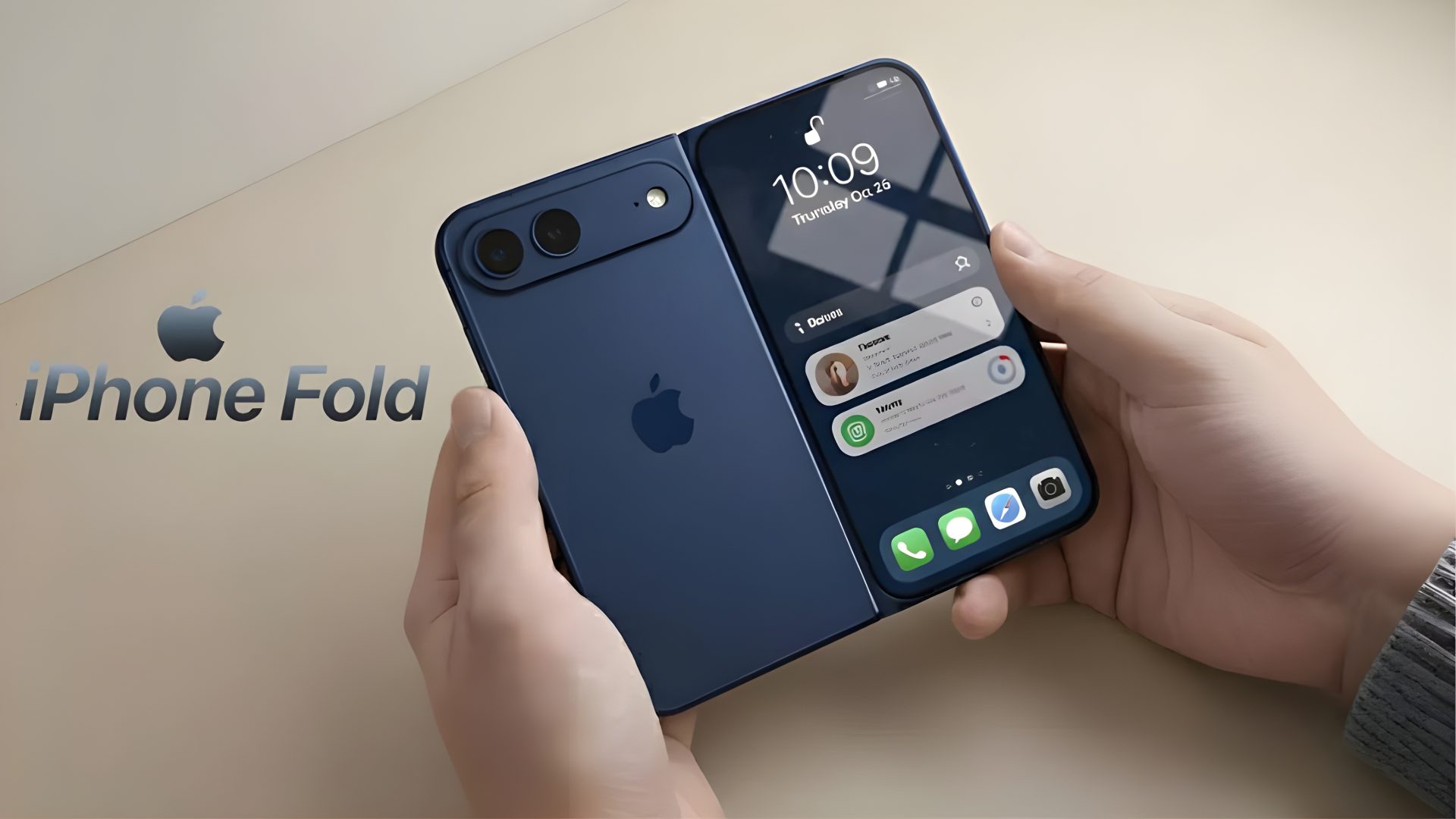
Apple’s long-rumored foldable iPhone is reportedly deep into pre-production, and fresh supply chain chatter is painting a clearer picture of what to expect. The big theme so far: Apple wants its first foldable to feel less like a novelty phone and more like an iPhone-and-iPad hybrid built for real productivity, multitasking, and media.
iPhone Fold software may feel more like an iPad—without fully becoming one
According to well-known Apple reporting from Bloomberg’s Mark Gurman, Apple is preparing a special take on iOS for the iPhone Fold that brings iPad-style productivity perks to the iPhone line for the first time. That includes iPad-like layouts and the ability to run two apps side by side, a major step toward better multitasking on iPhone.
This direction makes sense given the hardware rumors. The inner display is expected to be closer to iPad size with a wider, more tablet-friendly aspect ratio, while the outer display is said to resemble a smaller iPhone screen. Earlier rumors have also suggested a wide, “passport-like” form factor, which would naturally benefit from iPad-style interface elements.
Apple is also reportedly updating its own core iPhone apps and building new layouts that include left-edge sidebars similar to many iPad apps. The goal is to make the larger unfolded screen feel more efficient, especially in landscape use, and to give developers a smoother path to adapt existing iPhone apps for the new proportions.
Importantly, this is still expected to be standard iOS—not iPadOS—and it likely won’t run iPad apps natively out of the box. Multitasking is expected to be simpler than the more desktop-like approach seen in the latest iPad software, but side-by-side apps should still be a headline feature that helps the iPhone Fold stand out.
Apple’s big foldable challenge: reducing the crease
One of the most common complaints about today’s foldable phones is the display crease. The latest reports suggest Apple has made meaningful progress here, substantially reducing the crease even if it can’t remove it entirely.
A previous supply chain report claimed the crease depth could be as little as 0.15mm, which would be extremely subtle in everyday use. Achieving that likely requires heavy reliance on ultra-thin flexible glass technology and a redesigned hinge, with ongoing talk of a “liquid metal” hinge component to improve durability and smoothness.
Cameras and biometrics: Touch ID returns, Face ID reportedly removed
On the exterior screen, the iPhone Fold is rumored to use a small hole-punch cutout, while still supporting the Dynamic Island-style interface for notifications and activity indicators.
A notable change: Face ID is reportedly not included. Instead, Apple is expected to bring back Touch ID in a side-mounted button, which could be a practical move for a foldable design where device orientation and screen position vary more than on a traditional iPhone.
For the inner display, Apple has reportedly tested an under-display camera, but current test results allegedly aren’t meeting Apple’s quality standards. That makes it less likely the first-generation device will ship with an under-display camera if image quality remains below expectations.
On the back, the device is expected to feature a dual-camera system, with prior reports pointing to 48MP sensors for both rear cameras. A selfie camera is also mentioned with a resolution of up to 24MP.
Display efficiency upgrades and additional rumored specs
Apple is also said to be exploring display improvements aimed at making the foldable panel lighter and more power efficient. One reported approach involves using a COE (Color Filter on Encapsulation) layer on the OLED panel’s encapsulation, which could improve efficiency while helping reduce overall thickness and weight—important factors for any foldable phone.
Other rumored iPhone Fold details include a dedicated vapor chamber for cooling, which could help maintain performance during multitasking, gaming, or long video sessions.
Here’s a quick roundup of additional specs currently being discussed:
– Inner display resolution of 2,713 x 1,920 with a 4:3 aspect ratio
– Side-mounted Touch ID instead of Face ID
– A20 Pro chip, 12GB RAM, and an in-house C2 5G modem
– Dual 48MP rear cameras
– Selfie camera up to 24MP
– Battery capacity estimated between 5,400mAh and 5,800mAh
– eSIM-only configuration
– Projected price around $2,399
– Estimated first-year shipments between 7 million and 9 million units
What all this suggests is Apple is aiming to launch a foldable iPhone that prioritizes real usability: a bigger canvas for side-by-side apps, iPad-like layouts for productivity, and hardware refinements designed to address the pain points that have held foldables back—especially the crease.