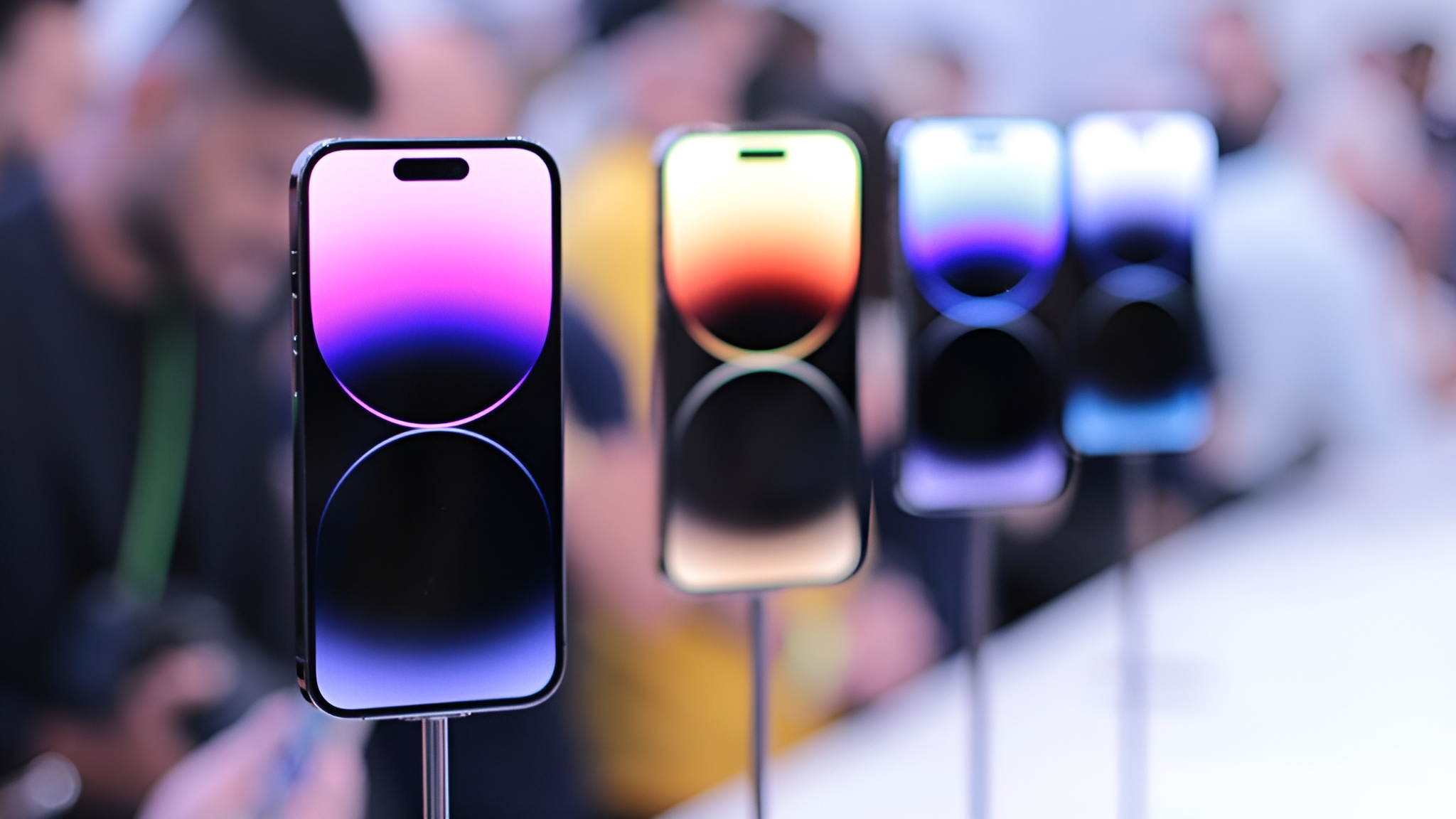
Apple is making a significant shift in its iPhone display supply chain after unexpected manufacturing problems hit BOE, one of its key OLED panel partners. Following roughly two months of disruptions that slowed Apple’s usual iPhone production rhythm, the company has reportedly moved millions of OLED panel orders to Samsung to keep production on track and avoid further delays.
The situation appears more serious than a single hiccup with next-generation screens. BOE is said to be struggling to manufacture not only advanced LTPO OLED panels expected for the iPhone 17, but also the more established LTPS OLED panels used for the upcoming iPhone 17e and multiple older iPhone models. That list reportedly includes devices spanning several generations, from iPhone 13 through iPhone 16, along with the iPhone 16e.
What makes the disruption particularly notable is that BOE’s OLED output for recent models like the iPhone 15 and iPhone 16 had been relatively stable through last year. The new issues suggest a fresh manufacturing bottleneck or process problem, rather than a long-running weakness that Apple was already working around.
With BOE’s production challenges mounting, Samsung has reportedly taken on a large portion of the displaced Apple orders—around half of BOE’s volume. To put that in perspective, BOE shipped about 40 million OLED panels to Apple in 2024, averaging roughly 3 million panels per month. Losing even a portion of that capacity creates immediate pressure on Apple’s supply planning, making a quick reallocation to another major supplier an obvious move.
The change could also affect Apple’s plans for the iPhone 17e. BOE had been positioned as the primary OLED supplier for this model, but the recent delays make it increasingly likely that Samsung will step in to provide panels for Apple’s next budget-friendly iPhone.
This comes on top of another challenge for BOE: it reportedly hasn’t met Apple’s strict requirements for iPhone 17 OLED panels. Under the original expectations, BOE was aiming to supply around 10 million LTPO OLED panels for the iPhone 17, but those plans now look uncertain given the reported yield and production issues.
Separately, BOE is also facing added industry pressure after Samsung Display recently won a legal decision involving allegations that BOE used Samsung’s OLED trade secrets. While that case is distinct from day-to-day production performance, it adds to the broader complications surrounding BOE’s OLED business at a moment when Apple is prioritizing stability and scale ahead of its next iPhone cycle.