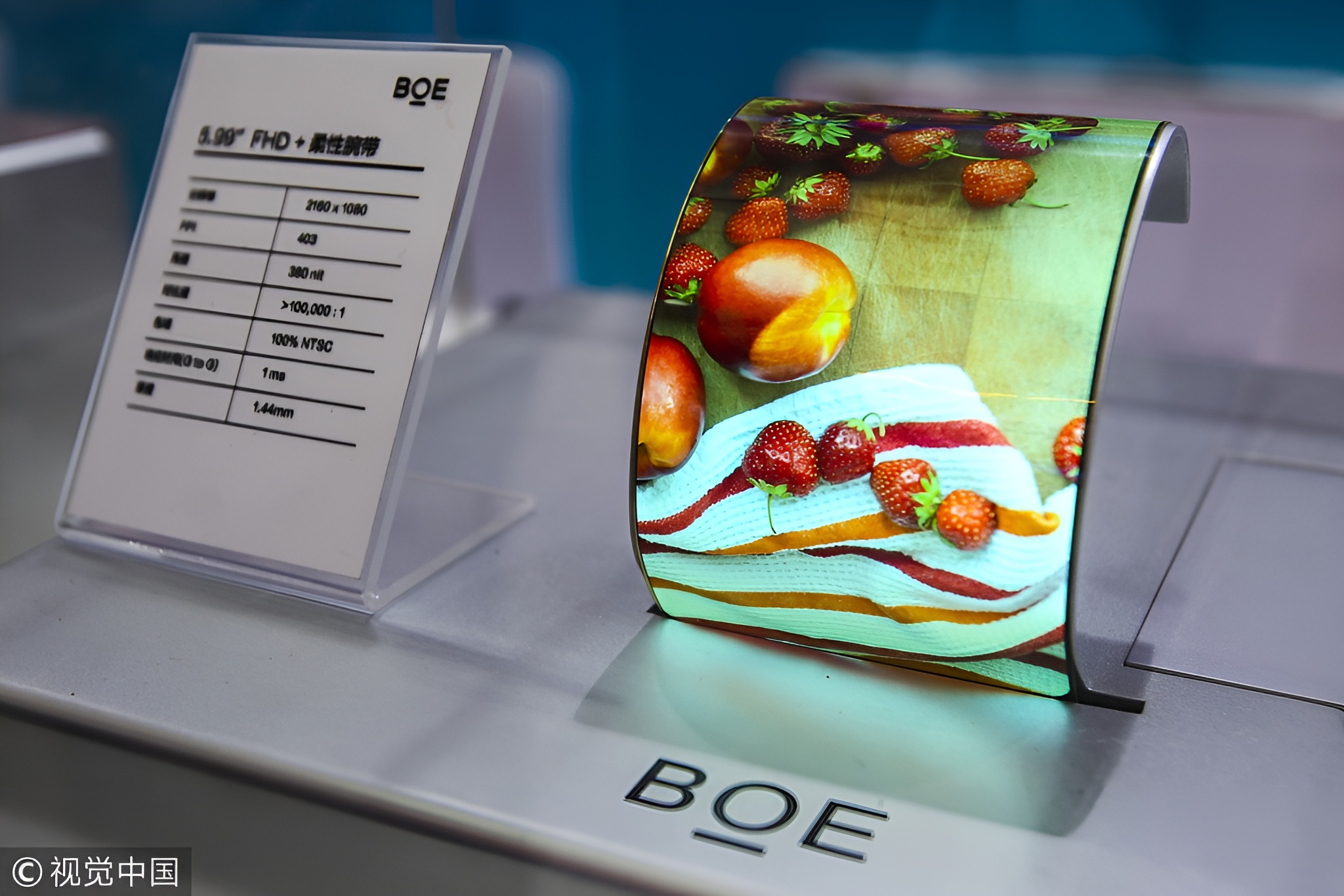
BOE’s push to break into Apple’s high-stakes display supply chain appears to have hit another snag, with the Chinese panel maker reportedly falling short of Apple’s stringent quality requirements for LTPO OLED displays destined for the iPhone 17 series.
A report out of South Korea indicates BOE was unable to deliver the 10 million LTPO OLED panels it was contracted to supply beginning in the third quarter of 2026. Despite a major R&D effort aimed at ramping up LTPO capability—technology that enables variable refresh rates for smoother motion and better power efficiency—BOE had no prior track record producing LTPO OLED at Apple’s required standards. Internally, the company had targeted as many as 40 million shipments for Apple once production stabilized.
With BOE missing the mark, the initial 10 million-panel order for the iPhone 17 lineup is being reassigned to Samsung Display. That shift will lift Samsung’s total shipments to approximately 90 million panels, up from a typical cadence near 80 million units, reinforcing Samsung’s position as Apple’s primary supplier for advanced OLED screens.
What makes the setback more surprising is that BOE has shown progress elsewhere. Its X3 OLED panel is already used in the OnePlus 15, a 6.78-inch display with a 165Hz refresh rate, suggesting BOE can build high-performance OLED. However, mass-producing LTPO panels at Apple’s exacting quality levels—often tied to yield rates, uniformity, and long-term reliability—remains an unresolved challenge for the company.
Adding to BOE’s hurdles, the US International Trade Commission recently ruled that the company infringed Samsung Display’s intellectual property, imposing a 15-year ban on BOE’s OLED imports into the United States. That long-term restriction effectively gives Samsung and LG a clearer runway in the US market, bolstering their competitive edge over the next decade and beyond.
Bottom line: Apple’s iPhone 17 display strategy is leaning even more heavily on Samsung Display as BOE continues to troubleshoot LTPO OLED quality issues. For consumers, that likely means continued access to premium LTPO features such as adaptive refresh rates, while, for the industry, it underscores how difficult it is to crack Apple’s supply chain and why display manufacturing leadership remains concentrated among a small group of proven suppliers.