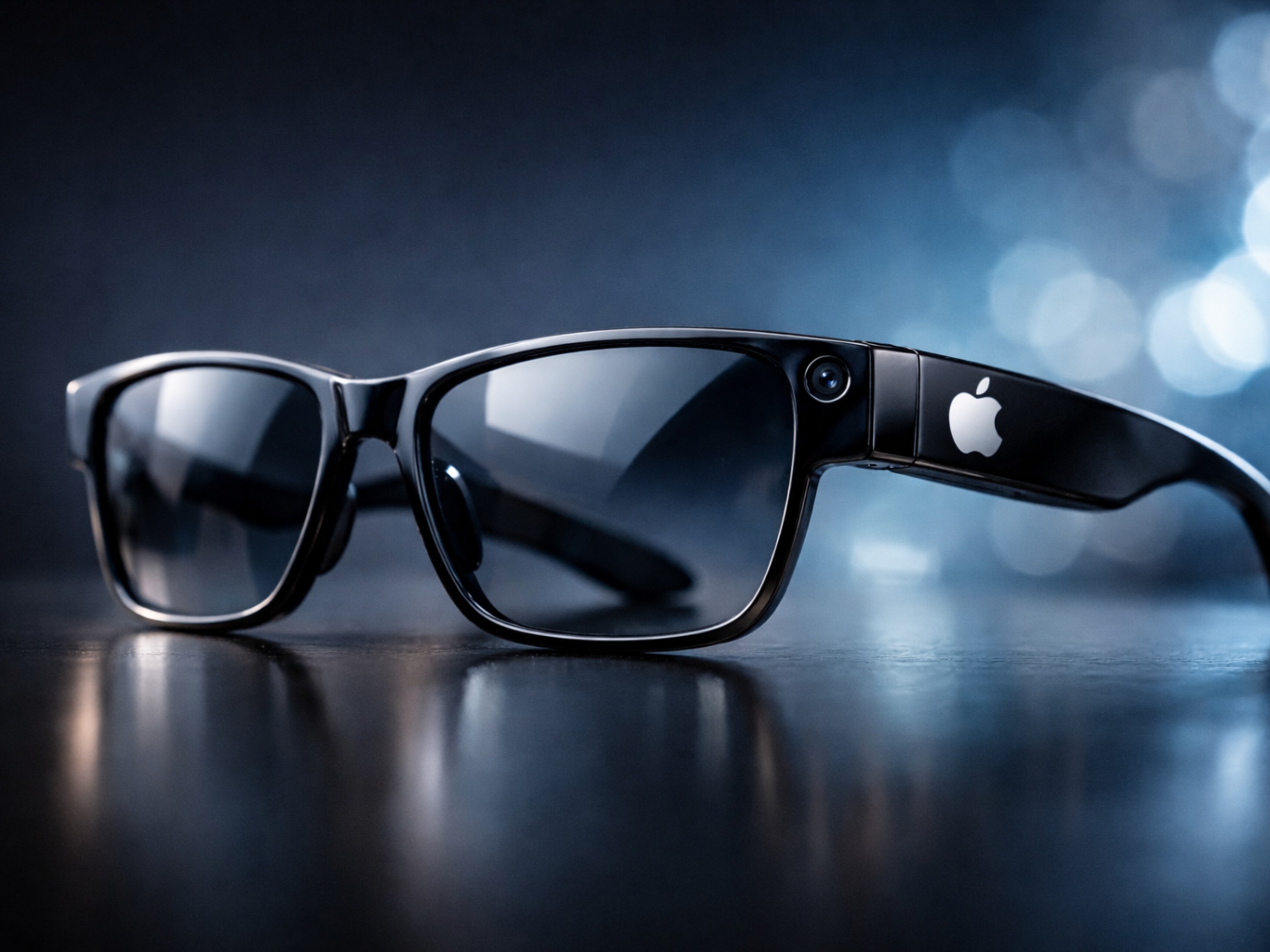
Apple may be preparing to open an entirely new chapter in its product lineup: smart glasses designed primarily as an AI wearable, not as full-blown augmented reality glasses. Early reports say the company is currently testing four different design directions, suggesting Apple is treating the look and comfort of the glasses as just as important as the technology inside.
Rather than going all-in on the complex optics and visual overlays typically associated with AR headsets, Apple’s apparent goal is something more practical for everyday life. Think of smart glasses that feel normal to wear, work seamlessly with an iPhone, and use AI to help you do things faster and more naturally throughout the day.
Four smart glasses designs reportedly in testing
Apple is said to be experimenting with four different style variants, likely to see what fits best on different faces and what feels most “Apple” in terms of brand identity and comfort:
1) A larger rectangular frame inspired by the classic Wayfarer shape
2) A slimmer rectangular option for a lighter, more minimal look
3) A larger model featuring round or oval lenses
4) A more compact, more refined design that leans into a cleaner, elegant aesthetic
This mix suggests Apple could be balancing two goals at once: making the glasses appealing as a mainstream accessory while also ensuring there’s enough internal space for cameras, sensors, microphones, and other components needed for AI features.
When the Apple smart glasses could arrive
If development stays on track, the smart glasses could be revealed in late 2026 or early 2027, with a wider release expected at some point in 2027. That timeline lines up with the idea that Apple is still fine-tuning both the industrial design and the use cases that will define the product.
AI-powered wearables, not traditional AR
The biggest detail is what these glasses are not expected to do: they likely won’t project digital imagery directly into your field of view. In other words, no AR overlays floating in front of your eyes. That’s a major distinction because it shifts the product from “futuristic AR headset replacement” to “AI companion you can wear.”
Technically, the glasses are expected to rely on cameras, microphones, and sensors to understand the world around you. With that input, AI features could allow you to ask questions about things you’re looking at, get contextual help while you’re out and about, and handle quick tasks without pulling out your phone.
Potential features mentioned include:
– Asking AI questions about objects or surroundings
– Capturing photos and videos
– Playing music
– Delivering iPhone notifications
Because there’s no display overlay, the glasses are expected to be closely tied to the iPhone for processing, connectivity, and everyday functionality. The relationship may resemble how other Apple accessories work today: convenient on their own, but significantly more powerful when paired with an iPhone.
A fashion-forward approach could define the product
One of the more interesting details is the reported choice of materials. Apple may use acetate instead of basic plastic. Acetate is commonly found in premium eyewear because it’s durable, has a more upscale feel, and offers a distinctive finish. It’s also derived from natural sources like wood or cotton.
That material choice hints at Apple’s likely positioning: these won’t just be “tech goggles.” They may be designed to look and feel like high-quality glasses you’d actually want to wear all day. The tradeoff, of course, is that premium materials and Apple’s typical design standards could push pricing into higher territory.
The bigger picture: Apple’s push into visual AI devices
These smart glasses may also be part of a broader Apple move toward AI-first wearable products. The same general idea—using cameras and on-device or connected AI to interpret the world—could extend to other form factors as well, including updated audio wearables or new accessories built around visual intelligence.
If Apple can deliver comfortable, stylish smart glasses that focus on useful AI features instead of flashy AR graphics, this could become one of the most important wearable launches since the Apple Watch—especially for users who want hands-free help without wearing an obvious headset.