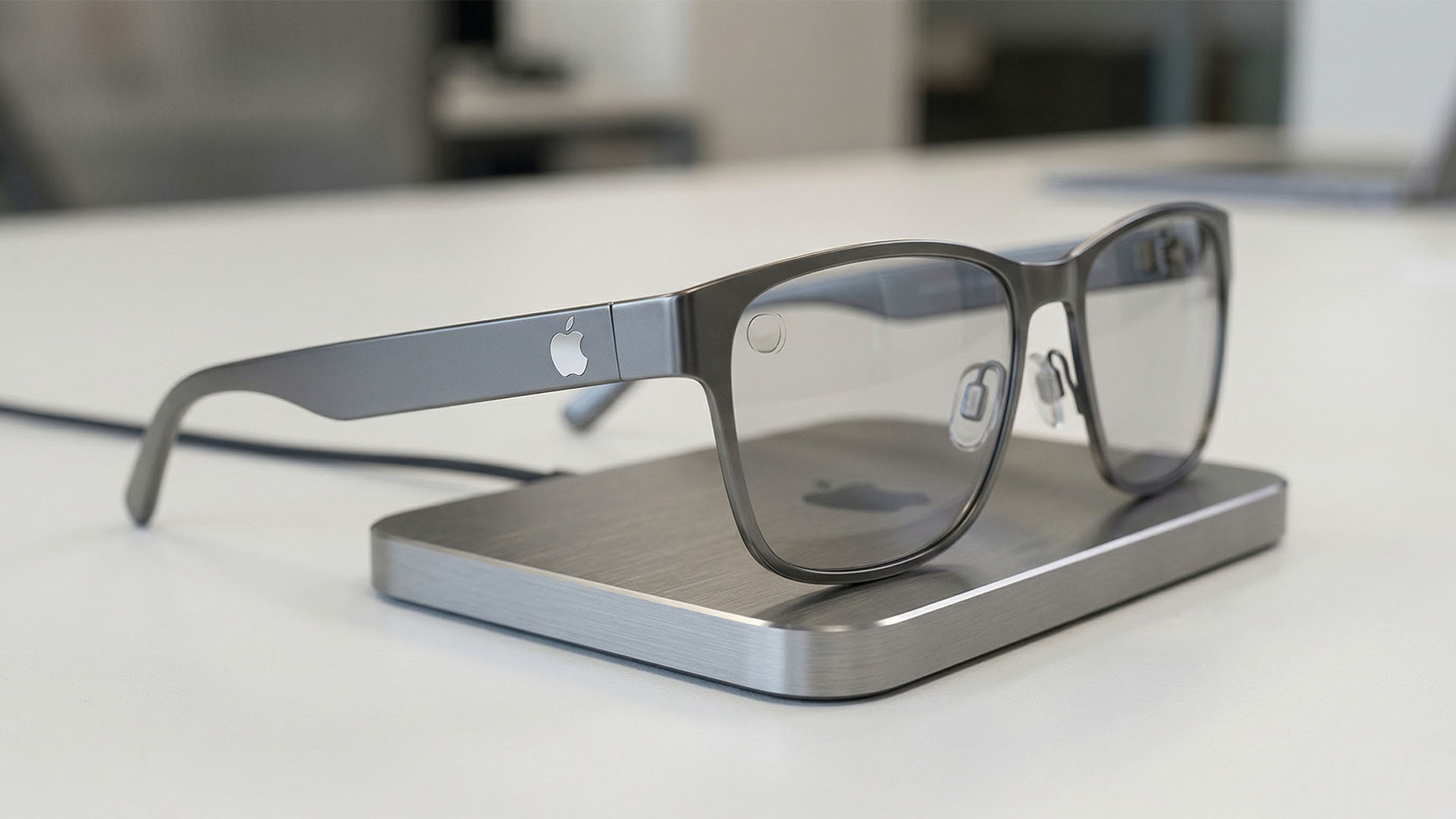
Global AR smart glasses shipments are finally starting to accelerate, and the market is shaping up for a major leap in the second half of 2025. With brands like Meta, RayNeo, XREAL, and others pushing new hardware and building consumer awareness, the category is expected to grow sharply, with estimates pointing to a 98 percent year-over-year increase in H2 2025. That momentum matters because it means the hardest part—creating real demand and proving there’s a market for AR glasses—has largely been done. If Apple enters at the right moment, it could ride a wave that others helped create, especially as its first display-free AR glasses are reportedly targeted for early 2027.
Still, the biggest factor may not be Apple’s engineering talent—it may be pricing. If Apple positions these smart glasses too high, it risks repeating the same market resistance seen with its more expensive, bulkier head-worn products. On the other hand, a more accessible price could dramatically widen adoption and help Apple scale quickly.
New market data from Counterpoint Research highlights the current winners and where the fastest growth is happening. In video-centric AR glasses, RayNeo leads with a 42 percent market share, followed by XREAL, while VITURE holds third place. In waveguide-based AR glasses, Rokid and Meta are out front—and this segment is growing extremely fast, posting a 611 percent year-over-year increase.
Another key detail: in H2 2025, waveguide-based smart glasses that include major components such as chipsets, microphones, speakers, cameras, and wireless adapters account for about 70 percent of the segment. China and the United States are currently the largest markets for these devices, which is notable for Apple. Those regions are also where iPhone demand remains especially strong, making them prime targets for any Apple AR glasses strategy that depends on tight iPhone integration, services, and ecosystem pull.
Apple’s opportunity, however, won’t be as simple as showing up late and winning by brand power alone. The company will likely aim to differentiate with a lightweight, everyday-wearable AR accessory that doesn’t sacrifice features, usability, or battery life—three areas that often conflict in smart glasses design. Apple already has a major advantage in silicon performance per watt, but there’s an interesting route it could take to improve runtime and reduce weight: using an Apple Watch-style System in Package (SiP) rather than an iPhone-class system-on-chip.
A Watch-class SiP could also reduce the need for heavy cooling solutions thanks to its efficiency, potentially making the glasses more comfortable and less bulky. If Apple manages that balance—capable features in a genuinely lightweight form factor—it could create the kind of demand surge that tends to happen when Apple enters a maturing category with a refined mainstream product, similar to expectations around its future foldable efforts.
But all eyes come back to one critical question: how much will Apple charge? The market has already shown that even strong tech can struggle if the device feels too expensive or too heavy for regular use. If Apple wants its AR glasses to become a mass-market accessory rather than a niche statement product, it may need to prioritize broad appeal over premium exclusivity.