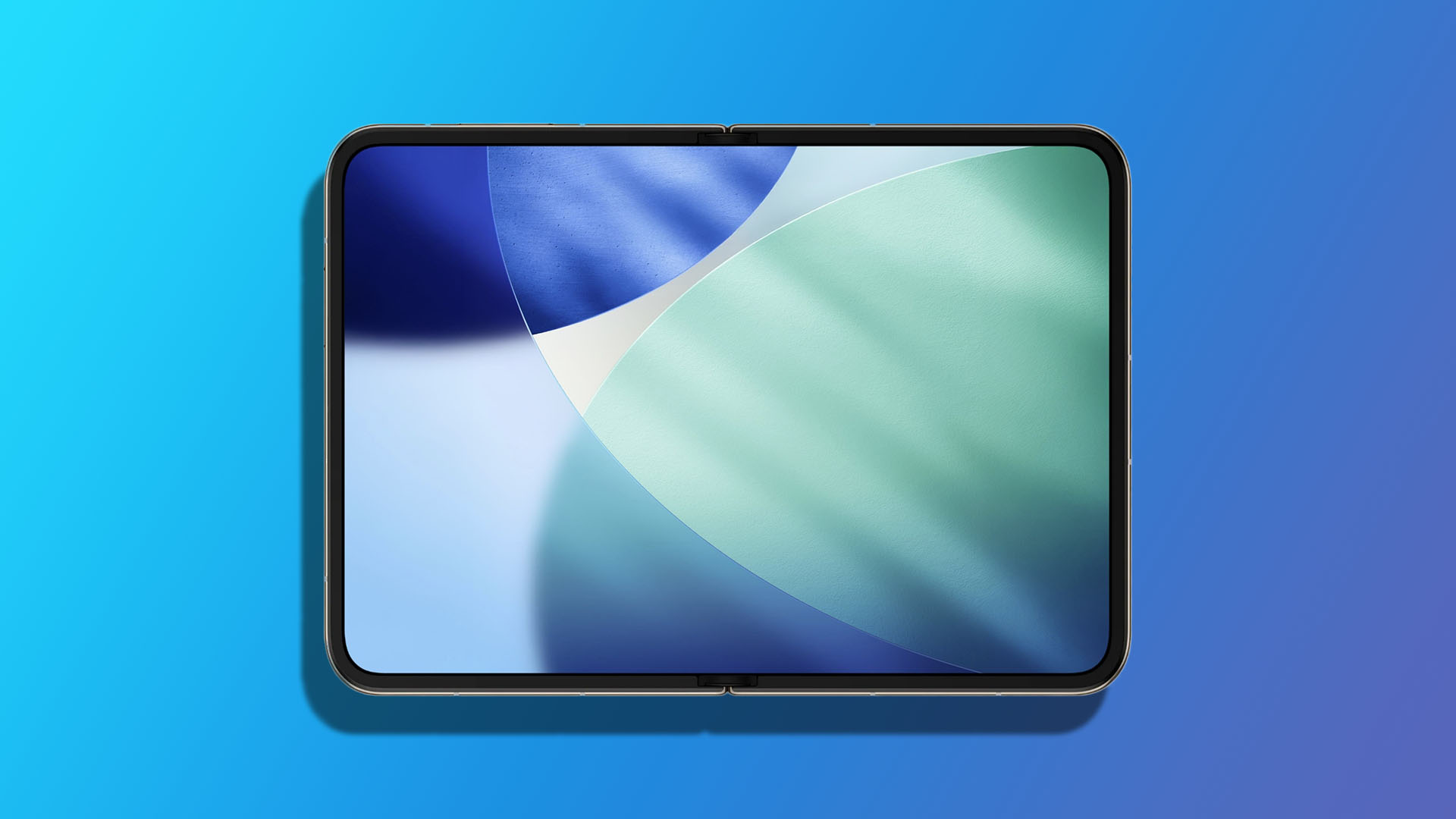
Apple’s first foldable iPhone is shaping up to be one of the most closely watched phone launches in years, and a fresh rumor suggests the company’s “no-compromise” approach may have been sparked by an unexpected source: a rival foldable from China.
The iPhone Fold has repeatedly been rumored to feature a crease-free inner display, a major pain point for foldable smartphones that can make the screen look uneven under certain lighting. To pull this off, Apple is said to be exploring Ultra-Thin Flexible Glass (UFG) technology using multiple thickness levels, a technique designed to improve durability while reducing or eliminating the visible fold line. The idea of a crease-free foldable display has been showcased publicly in the industry, and it’s widely viewed as the next big leap for foldable phone design.
According to a tipster on Weibo (Fixed-focus digital cameras), Apple’s internal benchmark for foldable screen smoothness may have been the OPPO Find N5. The claim is that Apple purchased the device and disassembled it, studying how OPPO achieved an impressively slim profile and a minimized crease.
The OPPO Find N5 is described as a previous-generation foldable flagship powered by a Snapdragon 8 Elite, but the standout here isn’t the chipset—it’s the engineering. The phone is said to measure just 4.2mm thick when fully unfolded, and its inner display reportedly has a crease that’s hard to beat. The rumor claims Apple created multiple prototype samples while working toward its own foldable iPhone, yet still struggled to match the Find N5’s screen smoothness.
If true, it highlights how challenging it is to deliver a truly crease-free foldable display—especially for a company like Apple that tends to avoid shipping hardware that feels “first-gen.” A visible crease might be acceptable to many foldable buyers today, but it would be a much tougher sell for an iPhone positioned as premium and polished.
The same rumor stream also repeats another detail that’s been circulating: the iPhone Fold may skip Face ID. Instead, it could use a side-mounted Touch ID sensor, supposedly due to space and design constraints created by a thinner frame and the complexity of packing sensors into a foldable body. While nothing is confirmed, a switch like that would be a notable change for Apple’s flagship identity and could make the foldable iPhone feel distinct from the current lineup.
It’s not unusual for phone makers to buy and tear down competitor devices. In fact, competitive analysis is common across the smartphone industry, especially in fast-moving categories like foldables where hinge engineering, display layering, and chassis thickness can define the entire user experience. And because Apple is arriving later than many rivals in the foldable phone market, it makes sense that the company would closely inspect leading designs before finalizing its own direction.
Whether the OPPO Find N5 is truly the “spark” behind Apple’s foldable push or simply one of many reference devices, the underlying takeaway remains the same: Apple appears determined to differentiate its foldable iPhone with a smoother, more refined inner display—potentially one that minimizes the crease to a level that current foldables rarely achieve.


