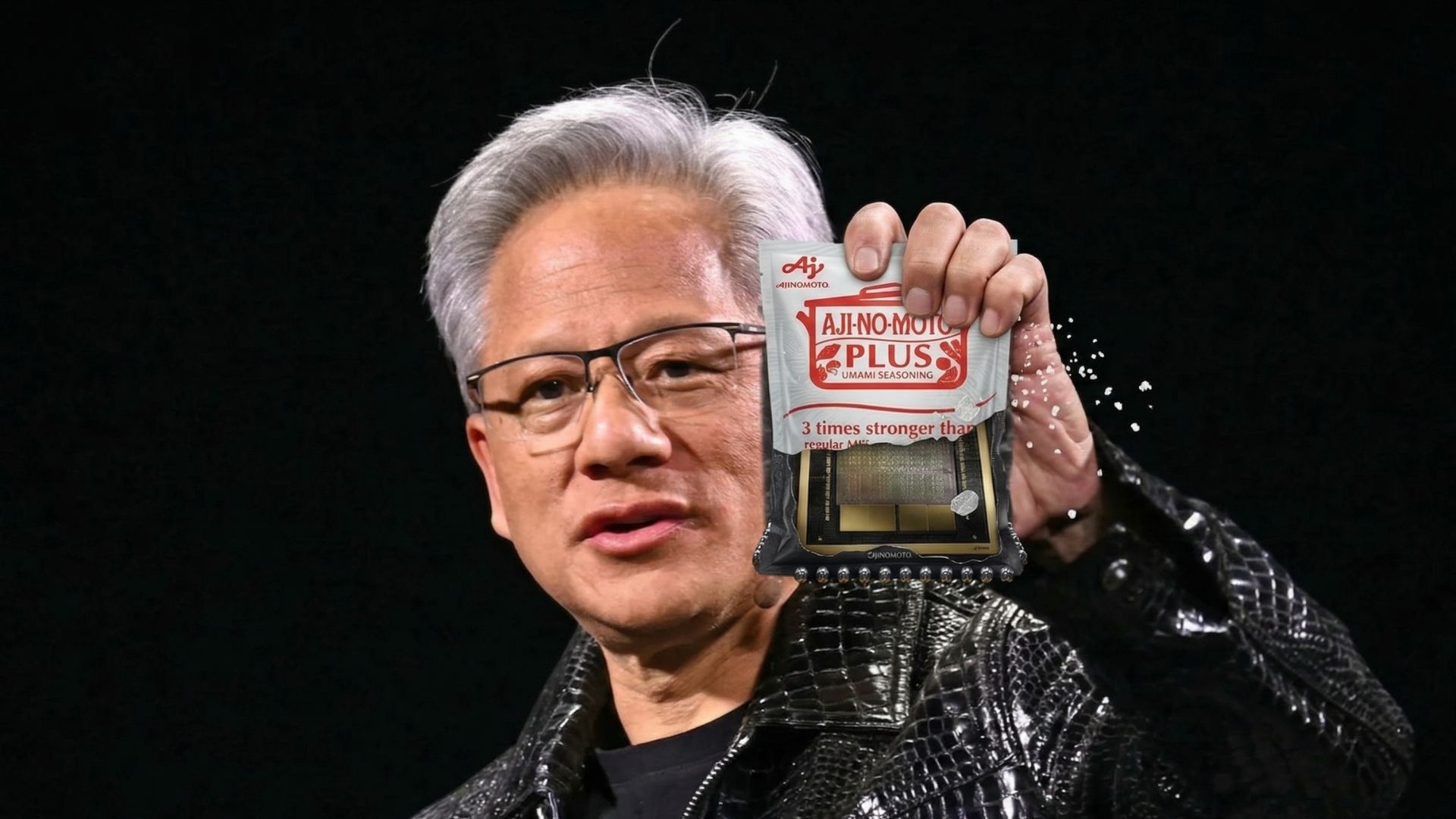
ABF substrates are quickly becoming one of the most important (and most strained) parts of the AI hardware supply chain, and the latest signals from the market point to a major price jump ahead. With next-generation AI servers and data center accelerators ramping up, the industry is now bracing for price increases that could reach 30% in certain parts of the ABF ecosystem.
ABF, short for Ajinomoto Built-Up Film, is a high-performance insulating film used in advanced semiconductor packaging. It plays a key role in building advanced flip-chip BGA (FCBGA) substrates, functioning as a high-speed interconnect layer between a printed circuit board (PCB) and the silicon itself. In practical terms, ABF helps deliver the high I/O density and signal integrity demanded by modern AI GPUs and custom AI chips (ASICs), which is exactly why it has become a foundational material for AI data centers.
The problem is that supply was already tight, and now the AI “supercycle” is pushing demand even higher. Substrate makers are reportedly moving into a recovery phase where capacity utilization is rising, but the supply chain is also using the opportunity to push through higher pricing. Suppliers are increasing spot prices, passing higher material costs downstream, and extending lead times as orders stack up.
This pricing momentum is already showing up in the performance of major ABF substrate manufacturers. Companies such as Unimicron, Kinsus, and Nan Ya PCB are seeing improved revenues, helped by stronger demand and a more favorable pricing environment.
What’s most notable is how long the imbalance may last. The supply-demand gap for ABF substrates is now expected to extend through the end of 2027. Against that backdrop, broader contract-style pricing for ABF substrates is reported to be trending up by around 5% to 10%, with those increases expected to take effect in the second half of 2026. Meanwhile, spot pricing is where the biggest shock is happening, with reports indicating increases of more than 30%.
Taiwanese substrate manufacturers are said to be running at full capacity and are expected to maintain that pace through the end of this year, highlighting just how limited near-term supply flexibility may be.
Another key factor is the pricing direction of ABF film itself. Market chatter suggests Ajinomoto, a major ABF film supplier, is considering raising film prices by at least 30%. If that happens, substrate manufacturers are likely to pass those added material costs to customers. Based on typical cost structures for ABF substrates used in AI GPUs and AI ASICs, a 30% increase in ABF film pricing could translate to an overall ABF substrate price increase of roughly 3% to 6%.
All of this points to a stronger profitability outlook for substrate makers if demand holds. Current expectations suggest substrate manufacturers could reach gross profit margins of about 22% to 30% in 2026, rising to roughly 30% to 35% in 2027, supported by high utilization rates and firmer pricing.
And the demand story may not cool down anytime soon. Emerging technologies such as co-packaged optics (CPO), along with continued growth in next-generation AI servers, are expected to intensify pressure across the advanced packaging supply chain. If those trends accelerate as expected, capacity constraints and pricing power for ABF-related materials and substrates could remain a defining theme for the AI hardware market over the next several years.