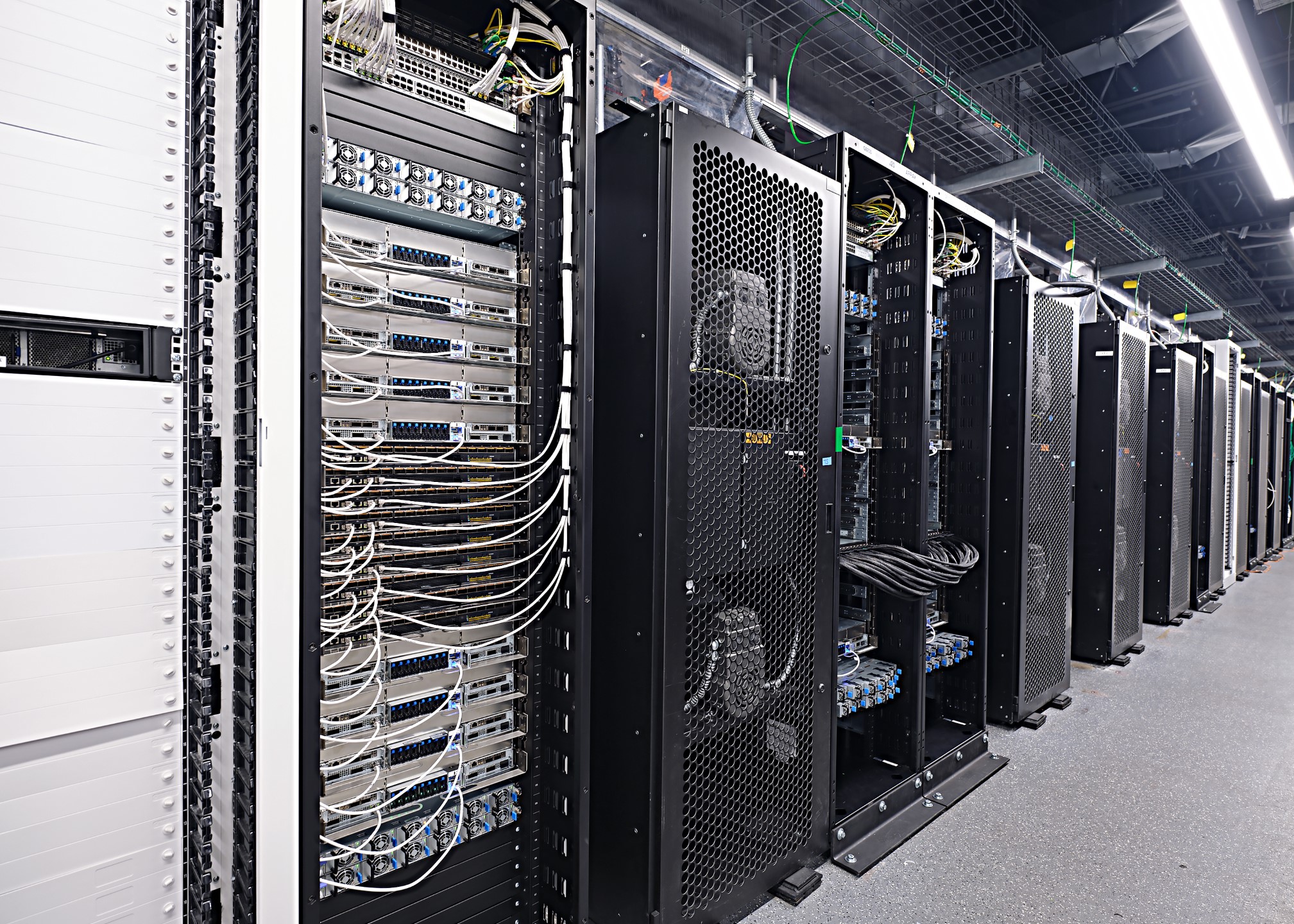
A major revelation has come to light involving Malaysia and a massive $390 million transaction concerning NVIDIA AI servers believed to be “illegal.” This discovery echoes similar issues recently unearthed in Singapore, sparking widespread industry chatter.
In a report brought forward, it is alleged that fraudulent dealings have emerged involving high-end NVIDIA AI servers from major vendors such as DELL and SMCI. This situation is reportedly linked to China’s rapid advancements in artificial intelligence and the curious routes taken to acquire top-tier AI hardware, typically restricted by U.S. export controls.
Recent findings indicate that loopholes have been exploited, notably with Singapore serving as a key hub for redirecting technology to China through third-party channels. Now, Malaysia appears to be embroiled in a related scenario, with NVIDIA’s high-end AI clusters reportedly finding their way into the hands of China’s DeepSeek. Singaporean authorities have accused local firms of orchestrating shipments to Malaysia, involving charges of fraudulent misconduct against three men.
The involved servers, potentially from NVIDIA’s latest Hopper series, prompt inquiries into whether suppliers were misled about the true end-user of these powerful machines. The repercussions of this scenario are significant, illustrating how pivotal Southeast Asian nations have become in the global hardware supply chain and the apparent shortcomings of U.S. sanctions designed to curtail such transfers.
Despite these transactions flouting international regulations, they represent a sizable chunk of NVIDIA’s income. Notably, NVIDIA’s sales in Singapore have skyrocketed by 740% recently, driven by demand for their Hopper accelerators and expansive AI clusters. China’s access to computational assets remains robust, raising concerns about how soon Chinese firms might start exploring NVIDIA’s forthcoming Blackwell product line.
Moreover, with major Chinese companies like Huawei advancing their in-house technologies, there’s mounting pressure on Western nations to address these loopholes effectively. Failure to do so might compromise their technological prowess in the AI and hardware landscape. The ongoing developments underline the urgent need for revised measures to protect tech supremacy and enforce export controls effectively.