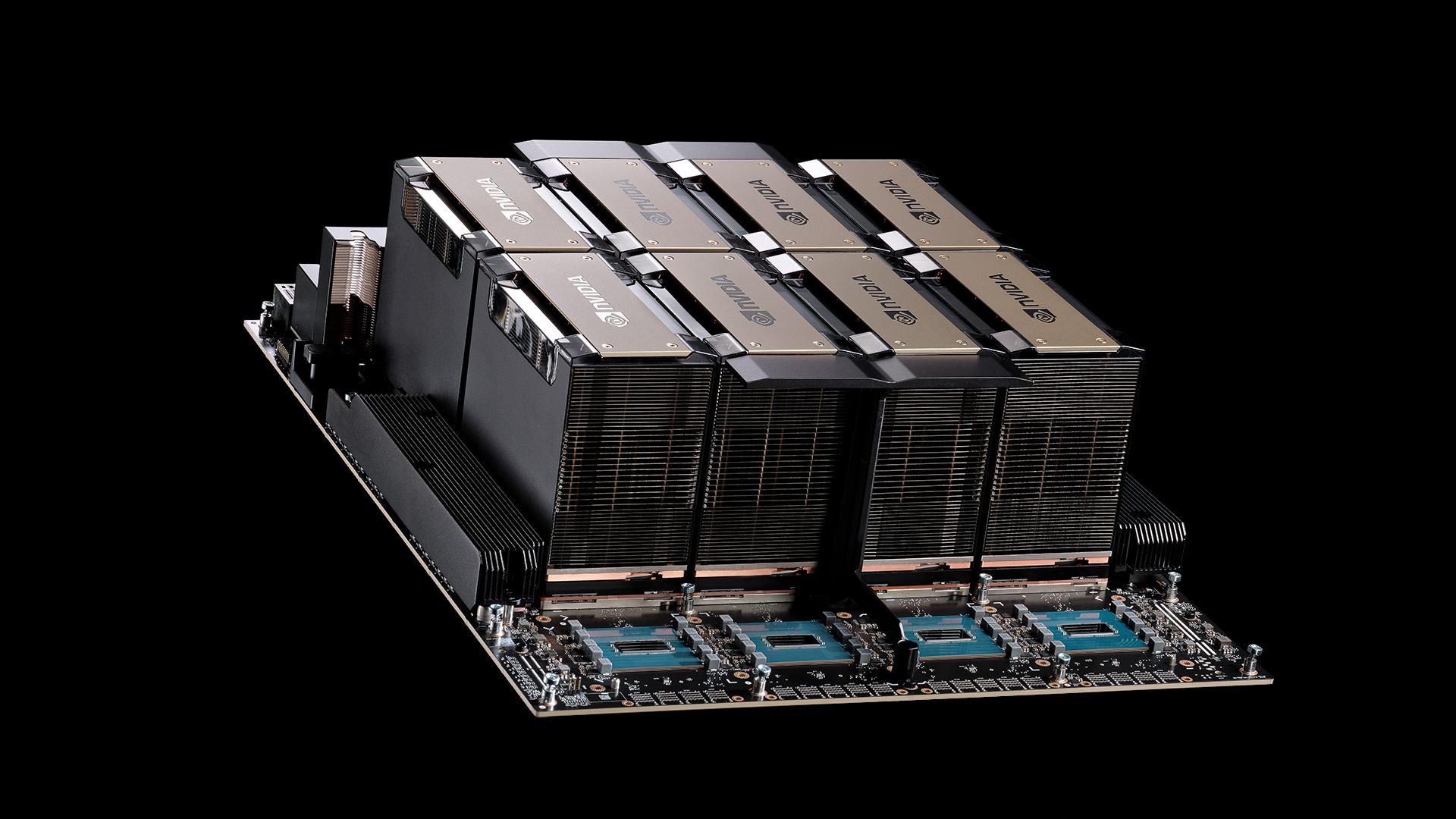
Malaysia is stepping up efforts to close gaps in international trade that have allowed the illicit transfer of NVIDIA’s advanced AI chips to China. The current U.S. administration is keen on strictly enforcing export restrictions, particularly those concerning prized AI technologies. Although direct exports of NVIDIA’s high-performance chips to China are banned, these cutting-edge components have still found their way into the country. This has largely been due to the exploitation of loopholes in U.S. policy, with Malaysia being one of the key intermediaries in this tech transfer.
In response to pressure from the U.S., Malaysia is forming a specialized task force focused on monitoring and regulating the shipment of NVIDIA chips through its borders. As stated by Trade Minister Zafrul Aziz, the U.S. expects Malaysia to ensure that NVIDIA servers are shipped to their intended data centers without being diverted elsewhere.
China’s access to an abundance of NVIDIA’s AI chips, despite stringent export laws, has been supported by intermediaries such as Singapore and Malaysia. These countries are alleged to have played roles in funneling the AI hardware into China, involving transactions reportedly worth billions. Notably, three individuals from Singapore were caught in a significant transaction, selling $390 million worth of NVIDIA AI servers to China.
While accusations fly, Malaysia’s Trade Minister claims that no evidence has been presented to substantiate these allegations. Malaysia, which itself is deeply invested in AI technology, attracting investments of up to $25 billion from major tech firms to develop data centers, naturally requires a substantial quantity of NVIDIA’s advanced chips.
The allegations are under investigation, but if these international trade loopholes are eventually sealed, NVIDIA’s revenue from data center equipment could face ramifications. Countries like Singapore are significant players in AI server shipments, and any restriction could impact the flow of technology. The overarching goal for the U.S. remains clear: to prevent China from gaining a technological edge in the AI field, and they are prepared to impose rigorous measures to uphold this policy.