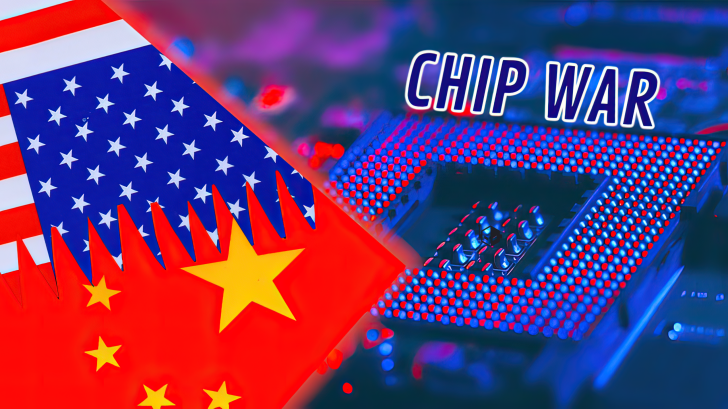
Amid escalating tensions in the trade landscape between the US and China, the Biden administration is gearing up to tighten its control over exports to China by addressing “trade loopholes” that have previously allowed certain transactions to slip through the net. This move signals a concerted effort by the US to maintain its edge in the burgeoning field of artificial intelligence.
With the rising prominence of AI, the US has already enforced multiple restrictions on exports to China. However, these measures have not significantly deterred Chinese companies, largely because they have found avenues to circumvent existing rules. Now, reports indicate that American lawmakers are ready to introduce new policy measures that will address these loopholes. This initiative aims to restrict the export of AI accelerators to China, a strategic move intended to uphold the US’s dominance in the AI industry.
The crafting of these policies involves key figures like US Secretary of Commerce Gina Raimondo and National Security Adviser Jake Sullivan, both of whom are recognized for their stance against China’s growing influence.
Although the specifics of the proposed policies remain unclear, they might entail banning exports to China from countries the US trades with legally, as these channels have been utilized to enable dubious yet legitimate practices. Nations including India, Malaysia, and Singapore have been pointed out as participants in these indirect exports of high-tech AI equipment to China, which the upcoming US policies could aim to regulate.
China, meanwhile, is not sitting idly by. The country is bolstering its efforts to foster domestic production of AI technologies and has also taken antitrust actions against US-based companies like NVIDIA. The trade war is poised to escalate even further, with the anticipation of President-elect Donald Trump coming into office and potentially implementing his tariff policies, which could trigger a new wave of trade restrictions from both sides.
In this high-stakes game of geopolitical chess, both nations are doubling down on strategies to safeguard their technological frontiers, setting the stage for a prolonged contest over AI supremacy.