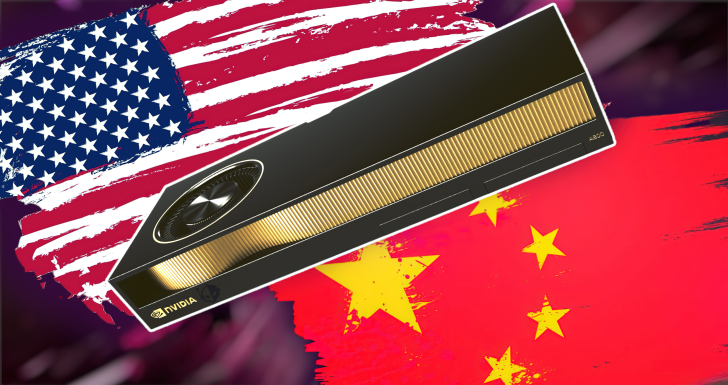
The United States is taking decisive action by launching an investigation into whether the tech company DeepSeek accessed NVIDIA’s advanced AI chips through intermediaries in Asia, exploiting potential trade loopholes. This comes on the heels of the ‘DeepSeek incident’ that has spurred the US to reinforce its export restrictions to prevent sensitive technology from reaching potentially hostile nations like China.
Despite stringent export regulations, it appears that Chinese firms might still be acquiring NVIDIA’s high-performance AI chips, such as the H100s. According to recent reports, US officials are scrutinizing whether these chips were indirectly supplied to China through countries like Singapore. Should these suspicions be confirmed, it could lead to significant implications.
Singapore has come under particular focus due to the skyrocketing surge in NVIDIA sales — an increase of up to 740% since DeepSeek’s founding. Given that Singapore isn’t deeply entrenched in the AI development race, this spike raises suspicions about its role as a potential intermediary. Interestingly, NVIDIA has acknowledged that the billing location may differ from the final user location, hinting at possible loopholes circumventing US restrictions.
DeepSeek’s acquisition of NVIDIA’s advanced chips raises questions about legality and ethics, especially with reports indicating both the H800 and the higher-end H100 AI chips in significant quantities. China, reportedly surpassing the US in the importation of these chips from Singapore, adds to the complexity of the situation, as Singapore’s 99 data centers seem inadequate to justify such volume purchases.
As the US gears up for a formal investigation, this could spell trouble for NVIDIA, which relies on AI-related revenues for a significant portion of its income. Beyond threatening financial outcomes for NVIDIA, closing these loopholes might also have a ripple effect across the global AI market. Additionally, other nations such as the Philippines are alleged to be involved as intermediaries in this unfolding trade dilemma. The situation underscores the need for vigilant monitoring and regulatory measures to secure technological advances while safeguarding national interests.


