SuperMicro, a major name in AI server infrastructure, is now at the center of a serious allegation: the U.S. Justice Department has reportedly charged the company in connection with a scheme that smuggled NVIDIA-powered servers into China. What’s drawing the most attention isn’t only the scale—potentially billions of dollars in restricted hardware—but the unusual methods allegedly used to get around U.S. export controls.
According to the report, the operation accelerated after U.S. restrictions tightened on advanced AI hardware shipments to China. The alleged goal was straightforward: keep Chinese customers supplied with cutting-edge NVIDIA-based systems even after those systems were barred from direct export. The reported activity is said to have existed since restrictions affecting NVIDIA’s H20 era took effect, with the supply chain designed to look routine at first glance.
Here’s how the alleged process worked. Instead of shipping restricted AI servers directly into China, the servers were reportedly exported from the United States to Southeast Asian countries first. On paper, that step could appear legal and ordinary, which meant far less immediate scrutiny. The alleged diversion is said to have occurred after the hardware arrived in Southeast Asia, where third-party firms allegedly helped reroute the equipment to China.
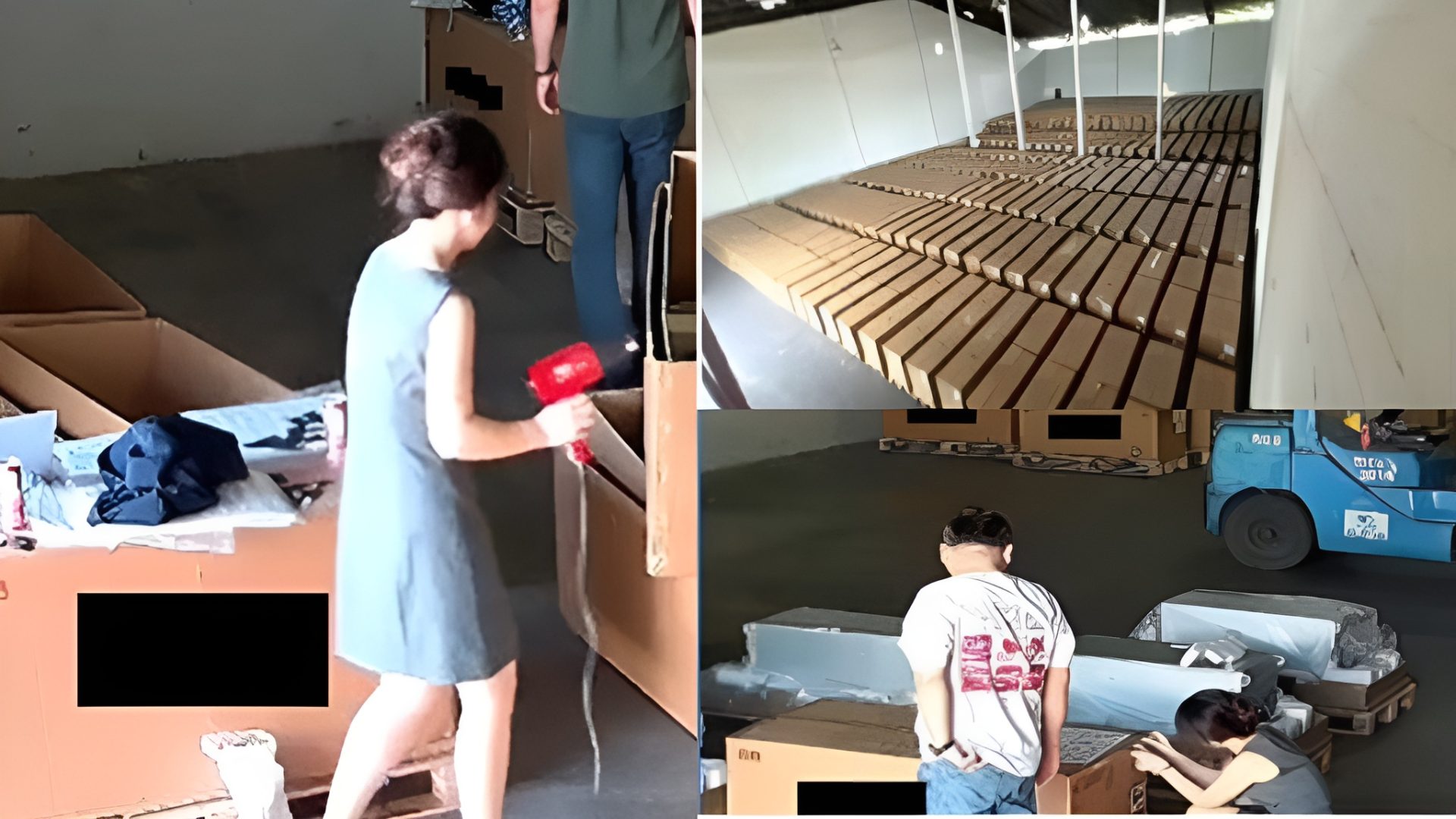
A key part of the accusation involves deception aimed at inspectors and compliance teams. The report claims that a firm in Southeast Asia prepared fake paperwork suggesting the servers were intended for legitimate deployment, helping them pass internal checks. Even more surprising are the allegations around “dummy” servers: employees were reportedly involved in placing fake units in storage facilities, while using hair dryers to remove serial number labels from real servers and attach them to the decoy machines. The alleged purpose was to mislead U.S. export control officers during audits or verification procedures, making it appear the real servers were still where they were supposed to be.
The report also mentions SuperMicro co-founder Yih-Shyan “Wally” Liaw in connection with knowledge of export-control violations. One cited detail claims that when a broker sent Liaw a message linking to news about arrests tied to AI chip smuggling into China, Liaw allegedly responded with sobbing emojis—an anecdote being presented as an indicator of awareness or concern about the crackdown.
The alleged smuggling network is said to have moved around $2.5 billion in AI server racks, reportedly focusing heavily on NVIDIA’s Hopper-generation products. There are also claims that efforts were underway to ship newer Blackwell-based servers, though it remains unclear whether any Blackwell systems actually reached China.
NVIDIA has issued an official response emphasizing compliance and the limits of its involvement once systems are diverted unlawfully. The company’s position is that it works with customers and government on compliance programs, that diverted systems do not receive NVIDIA support or service, and that enforcement mechanisms are designed to be rigorous.
Beyond the legal implications for those involved, the accusations highlight a growing challenge for U.S. export policy: even as restrictions tighten, complex global supply chains can create alternative routes for high-end AI computing hardware. Recent reporting has also raised broader questions about how Chinese firms may still access advanced compute through overseas channels, including the use of cloud capacity hosted outside of China.
If these allegations hold up, the fallout could be significant—potentially leading to more aggressive enforcement, stricter compliance expectations for server makers and resellers, and renewed pressure to close loopholes that allow restricted AI infrastructure to move across borders indirectly.