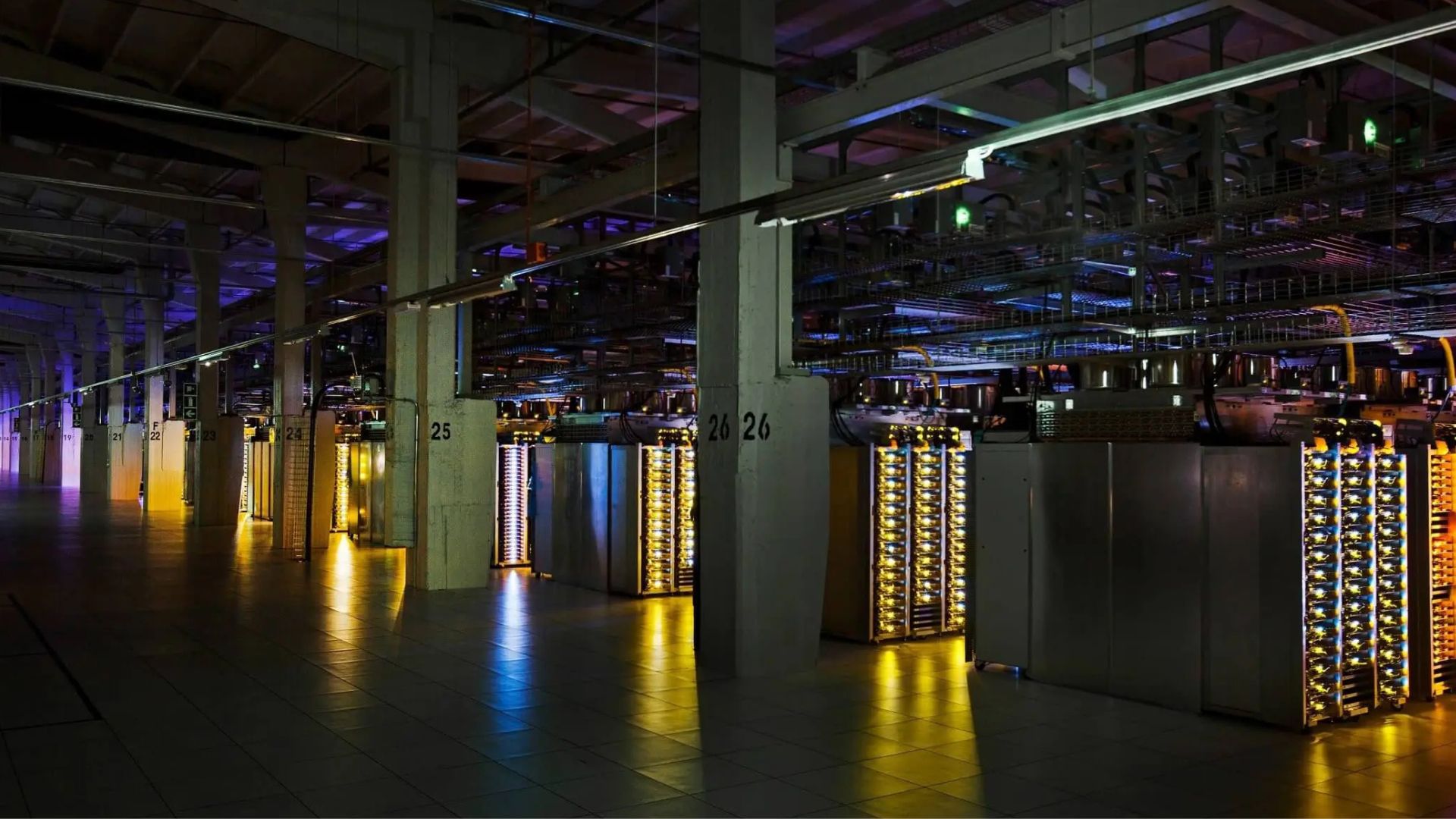
Despite recent chatter about a slowdown in the memory industry, fresh supply chain signals point to the opposite: the world’s biggest cloud and AI players are working to lock down DRAM for years to come. Rather than backing away from spending, hyperscalers appear to be committing to long-term supply deals to ensure they can keep building out data center capacity without hitting a memory wall.
Over the past few weeks, the broader memory market went through a noisy moment. Reports and retailer sentiment helped fuel concerns that Google’s TurboQuant compression technology could reduce demand enough to end the current DRAM “supercycle.” That anxiety rippled through the market—memory-related stocks took a hit and DDR5 prices eased at many retailers around the world. For consumers, that short-term drop was noticeable. For the largest buyers of memory, however, the response seems to be the exact opposite of “wait and see.”
Supply chain reporting indicates that hyperscalers such as Google and Microsoft are rushing to secure long-term DDR5 supply from SK hynix, with agreements that could run well into the decade. One report cites SK hynix being in the final stages of negotiating a multi-year DDR5 supply contract with Microsoft, described as a very large deal and expected to run for three years beginning this year.
If these kinds of agreements become the norm, they reveal two important things about where DRAM demand may be headed. First, suppliers are clearly positioning for sustained demand rather than a quick boom-and-bust cycle. Multi-year contracts give memory makers more predictable revenue and make it easier to plan capacity, investment, and production expansion. Second, locking in supply for several years can be read as a signal that the current demand cycle may last longer than many forecasts suggested—potentially pushing beyond previously expected timelines.
What’s driving hyperscalers to commit so aggressively? In simple terms: memory is a critical input for modern AI and cloud infrastructure, and shortages can slow deployments. Industry estimates suggest memory can represent more than 30% of total hyperscaler spending, underscoring just how central DRAM has become in the economics of large-scale computing. From that perspective, the biggest risk may not be overpaying later—it may be failing to procure enough supply today.
That mindset reframes the memory market. Instead of a traditional pricing battle, the industry is increasingly behaving like a supply battle—where the winners are the organizations that can guarantee access to DRAM when they need it most.
For consumer PCs and DIY builders, this trend is far less encouraging. Long-term hyperscaler contracts can absorb a meaningful share of future production, reducing flexibility across the broader market. They may also extend the overall demand cycle, which can keep both contract and spot pricing under upward pressure. In that scenario, brief price dips—like the DDR5 softening seen during recent market jitters—could prove to be exceptions rather than the start of a sustained downward trend.
The takeaway is clear: even as headlines debate whether the memory boom is fading, hyperscalers are acting like DRAM will remain scarce, strategic, and worth securing far in advance. If more multi-year DDR5 supply agreements fall into place, consumers may need to brace for a market where memory pricing stays firmer for longer than expected.