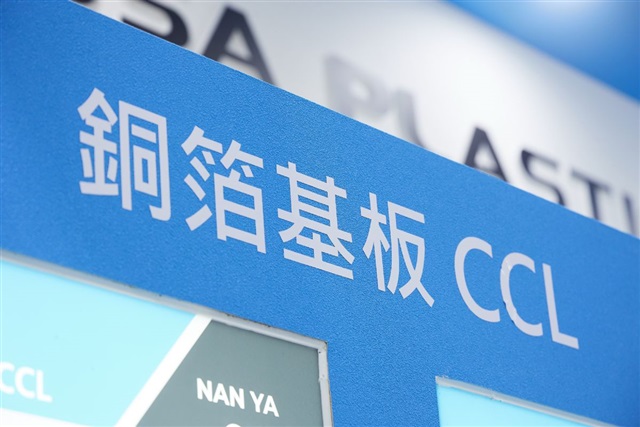
Global demand for AI infrastructure is exploding, and the ripple effects are now reaching deep into the electronics ecosystem. Beyond the boom in advanced semiconductors and the rush to assemble high-performance server systems, the surge is triggering a significant shortage of upstream PCB materials. This supply squeeze is quickly emerging as a focal point for Taiwan’s electronics sector, where many of the world’s key printed circuit board and materials suppliers are based.
What’s happening and why it matters
– Data centers racing to deploy AI servers are consuming unprecedented volumes of high-layer-count PCBs, power boards, and high-speed networking hardware. That requires more copper-clad laminates, copper foil, resin systems, glass fiber fabrics, and specialty low-loss materials.
– The result is longer lead times and tighter allocation for critical PCB inputs, especially those tailored for high-frequency, high-heat, and high-reliability environments typical of AI accelerators and next-generation networking equipment.
– Taiwan, a cornerstone of the global electronics supply chain, is seeing intensified order momentum and capacity planning as materials producers and board makers work to keep pace.
Where the bottlenecks are forming
– Copper-clad laminates and prepregs used in high-speed, low-loss designs
– Copper foil and advanced resin systems required for thermal stability and reliability
– Glass fiber yarn and fabrics underpinning multilayer PCB structures
– Specialty materials engineered for signal integrity in 800G/1.6T networking and AI accelerator interconnects
Impact across the AI hardware stack
– AI servers: More complex motherboards and power delivery boards push demand for advanced laminates and heat-resistant materials.
– High-speed networking: Switches, NICs, and optics modules require low-loss PCB materials to maintain signal integrity at ever-higher data rates.
– Power infrastructure: Power shelves, converters, and backplanes need robust materials to handle sustained, high-load operation.
What it means for buyers and builders
– Extended lead times: Expect longer planning cycles and earlier commitments to secure allocation.
– Price pressure: Tight supply of upstream PCB materials can elevate costs across server and networking builds.
– Design choices: Engineers may prioritize materials with better signal integrity and thermal performance to future-proof AI deployments, potentially further tightening supply of premium laminates.
– Capacity expansion: Materials suppliers are likely to ramp investments, but meaningful relief may lag demand given qualification cycles and the complexity of scaling production.
Why Taiwan’s role is pivotal
– Deep manufacturing expertise in PCB materials and fabrication
– Proximity to leading server, networking, and semiconductor ecosystems
– Ability to scale specialty materials crucial for AI-era performance targets
What to watch next
– Lead time trends for copper-clad laminates, copper foil, and low-loss materials
– Allocation and contract dynamics as large buyers lock in supply
– New material innovations targeting lower loss, higher heat tolerance, and reliability
– Capital expenditure signals from upstream material producers and PCB manufacturers
Bottom line
The AI build-out is no longer just a semiconductor story. Upstream PCB materials have become a strategic chokepoint, and the pressure is reshaping production schedules, pricing, and design decisions across the data center. With Taiwan at the center of this shift, the industry’s ability to scale advanced materials will be a key determinant of how fast—and how affordably—the next wave of AI infrastructure comes online.