Agentic AI isn’t just pushing demand for faster CPUs and GPUs—it’s rapidly turning memory into the biggest bottleneck in modern computing. As DRAM supply constraints continue and AI adoption accelerates, the industry is heading toward a future where memory capacity becomes a defining feature of next-generation processors, and shortages ripple far beyond the data center.
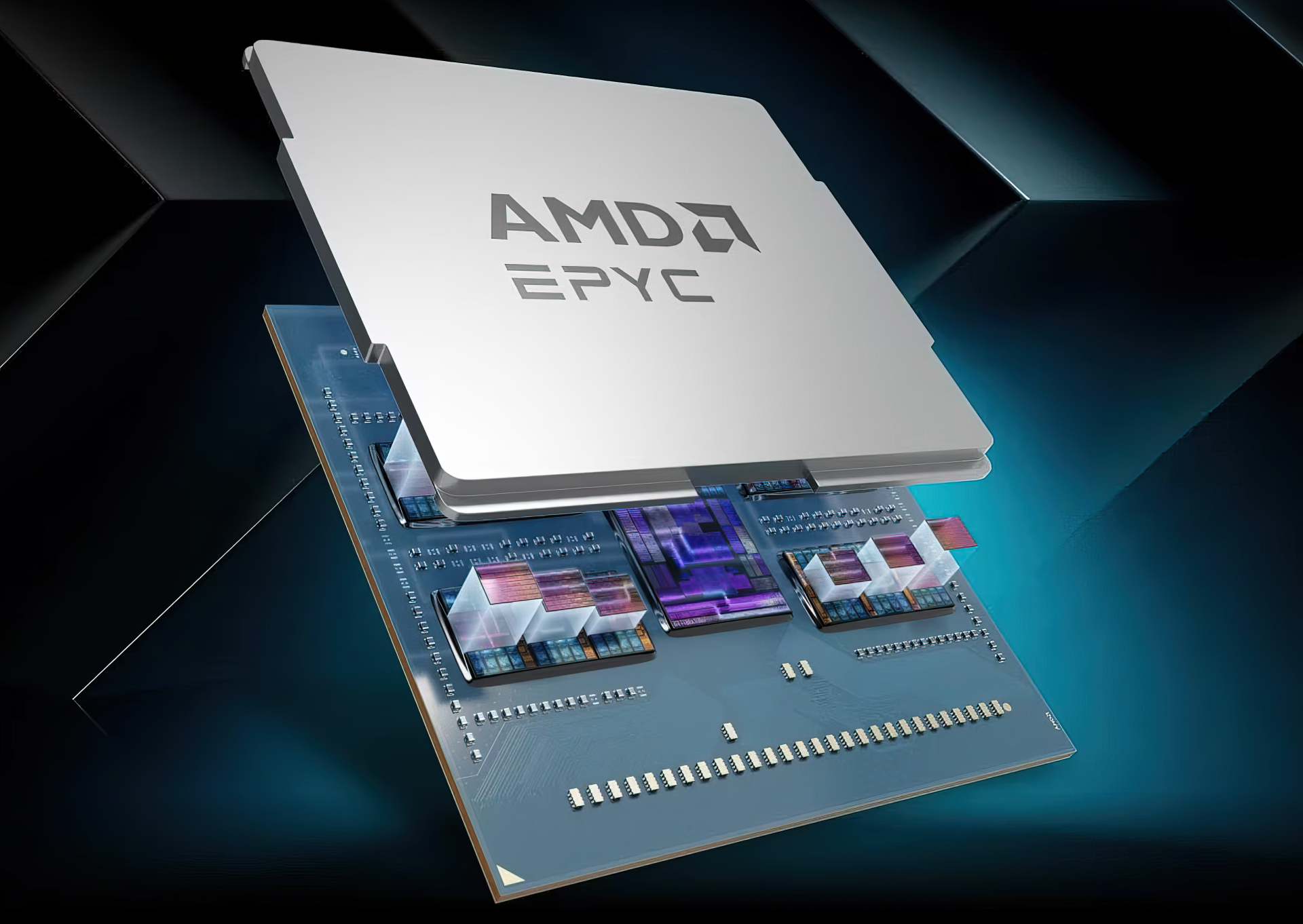
Industry chatter now points to a major shift: upcoming AI-focused CPUs may ship with 300GB to 400GB of memory. That’s a dramatic jump from today’s typical 96GB to 256GB range often associated with current AI CPU configurations. While server platforms can already scale into multi-terabyte territory using standard DIMMs across an entire system, the new conversation is about pushing much larger memory footprints closer to the CPU itself—driven by the massive working sets and persistent context needs of agentic models.
This is happening at the same time memory manufacturers are enjoying strong margins but still struggling to keep up. Capacity expansions are underway across the industry, yet new production takes time to come online. The result is a market where buyers face tighter availability and higher prices, while suppliers prioritize the most profitable DRAM products. Some forecasts even suggest the situation could worsen year over year as demand compounds and supply growth lags.
One reason the pressure is intensifying is a changing balance inside data centers. GPUs remain essential for training and many inference tasks, but agentic AI is increasing the importance of CPU-side compute and orchestration. That’s already reflected in a shifting hardware mix, with the GPU-to-CPU ratio reportedly moving from around 8:1 to 4:1—and potentially trending toward 1:1 as these systems scale. More CPUs involved in AI workloads means more memory demand distributed across the CPU layer, not just concentrated in GPU accelerators.
Even with software techniques designed to reduce memory overhead—such as compression methods intended to ease KV cache requirements—the overall trajectory is still upward. Agentic AI systems tend to keep more context active, juggle more tools, and maintain more state across tasks. In practical terms, that translates into continued appetite for larger and faster memory pools.
Meanwhile, the memory “arms race” isn’t limited to CPUs. Next-generation AI accelerators are scaling high-bandwidth memory (HBM) capacities aggressively. New designs are expected to cluster around the high-200GB range, while some roadmap products are pushing beyond 400GB of HBM. Custom AI chips are also joining the trend with similarly large HBM configurations. As accelerators absorb more premium memory, CPUs pursuing 300GB–400GB configurations add yet another major demand stream pulling on the same limited DRAM supply chain.
How CPU vendors reach those numbers is still an open question, and multiple paths are possible. One option is packaging approaches that bring ultra-high bandwidth memory closer to the processor, including HBM-style integration or emerging memory standards being explored for future platforms. Another path is simply bigger DIMMs. If the industry reaches a point where a single DIMM can provide around 400GB, that one module would contain more raw memory than many of today’s top AI GPUs, which commonly ship with roughly 288GB of HBM in their highest-capacity configurations.
The bigger concern is what comes next for everyone else. As AI demand pulls manufacturers toward high-end, high-density DRAM, lower-margin memory products risk being deprioritized. We’ve already seen examples in the broader memory market where older or less profitable lines get phased out in favor of newer, higher-return alternatives. If that pattern expands across DDR5 and other key segments, the impact won’t be limited to AI servers—it could raise prices and reduce availability for mainstream enterprise hardware, PCs, and other devices that rely on different DRAM grades.
In short, agentic AI is reshaping the memory landscape. With CPUs expected to demand up to 400GB in certain AI-focused configurations and accelerators simultaneously scaling HBM capacity, the DRAM squeeze looks set to continue. For customers, that likely means tighter supply and higher costs. For memory makers, it means strong demand—and hard choices about which products to prioritize as the AI boom keeps escalating.