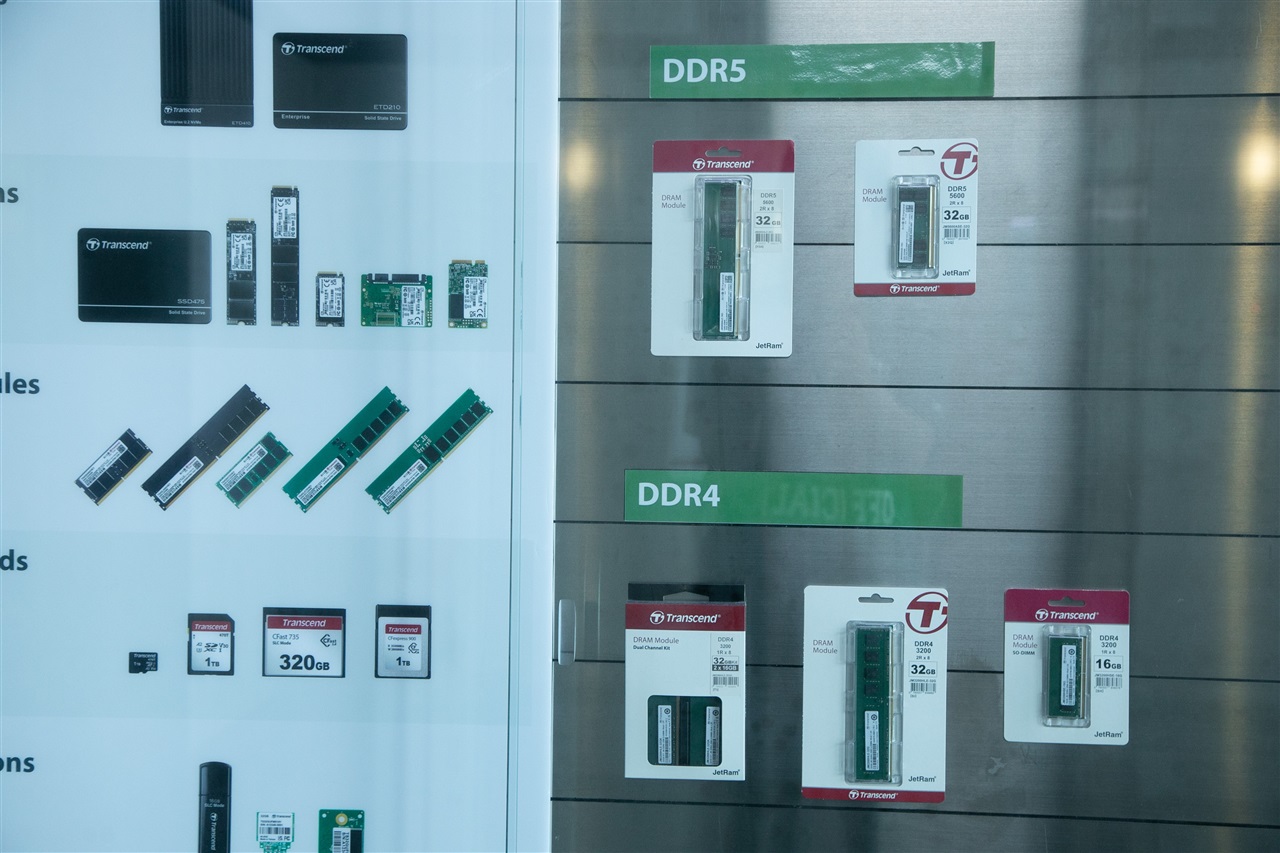
Global memory prices are spiking as a persistent shortage ripples through the consumer electronics supply chain, and PC makers are feeling the squeeze. Industry executives expect current component inventories to stretch into the fourth quarter of 2025, but competition for available parts is already intensifying, setting the stage for higher costs, tighter margins, and potential product delays.
What’s driving the memory crunch
– A supply-demand mismatch: Demand for DRAM and NAND has rebounded across laptops, desktops, smartphones, and servers, while supply growth has lagged. Many chipmakers prioritized more advanced or higher-margin segments, tightening availability for mainstream PC components.
– Capacity shifts toward AI: Foundries and memory manufacturers continue to allocate resources to high-bandwidth memory and other AI-centric components, which can constrain output for standard DRAM and SSD-grade NAND.
– Regional and policy complexities: Shifting trade dynamics and localized disruptions in key manufacturing hubs in Asia have complicated logistics, pricing, and lead times.
Why PC makers are under pressure
– Rising bill of materials: Cost increases for memory can force OEMs to adjust pricing, reduce promotional activity, or alter configurations to stay competitive.
– SKU reshuffling: Expect more models that balance performance with affordability, such as systems with slightly lower base RAM or SSD capacities, plus optional upgrades for buyers who need more.
– Inventory calculus: With stocks expected to cover needs through late 2025, brands are racing to secure longer-term commitments, shorten lead times where possible, and diversify suppliers to reduce risk.
What consumers might notice
– Higher prices on popular configurations and fewer steep discounts on mid-range laptops and desktops.
– Occasional delays or limited availability for models with larger RAM or SSD options.
– More “good-better-best” lineups that steer buyers toward balanced, cost-efficient specs while keeping premium upgrades available at a higher price.
How the shortage could play out
– Through Q4 2025: Inventory cushions much of the shock, but pricing remains elevated and competitive bidding for components intensifies, especially before major shopping seasons.
– Beyond 2025: The outlook hinges on how quickly additional capacity comes online and whether demand from AI infrastructure, data centers, and mobile devices remains red-hot. If supply expansions materialize and demand normalizes, pricing could stabilize; if not, tightness may linger into 2026.
Tips for buyers and IT planners
– Plan ahead: If you need specific RAM or SSD configurations, order early—especially for fleet purchases or back-to-school seasons.
– Be flexible on specs: Consider models with upgradeable memory or storage to keep costs manageable now and expand later.
– Watch total value: Factor in warranty terms, thermals, and battery life—not just raw specs—when comparing systems in a tighter market.
What manufacturers are doing now
– Locking in long-term agreements to secure predictable memory supply.
– Broadening supplier bases and qualifying alternate components to mitigate bottlenecks.
– Optimizing designs to deliver strong performance per dollar without relying on scarce, premium memory parts.
Bottom line
The global memory shortage has pushed prices up and put PC makers on alert, even as current inventories are expected to carry the industry through late 2025. With competition for components heating up, shoppers should anticipate firmer pricing and plan purchases a bit earlier, while manufacturers work behind the scenes to balance cost, performance, and availability in a fast-changing market.