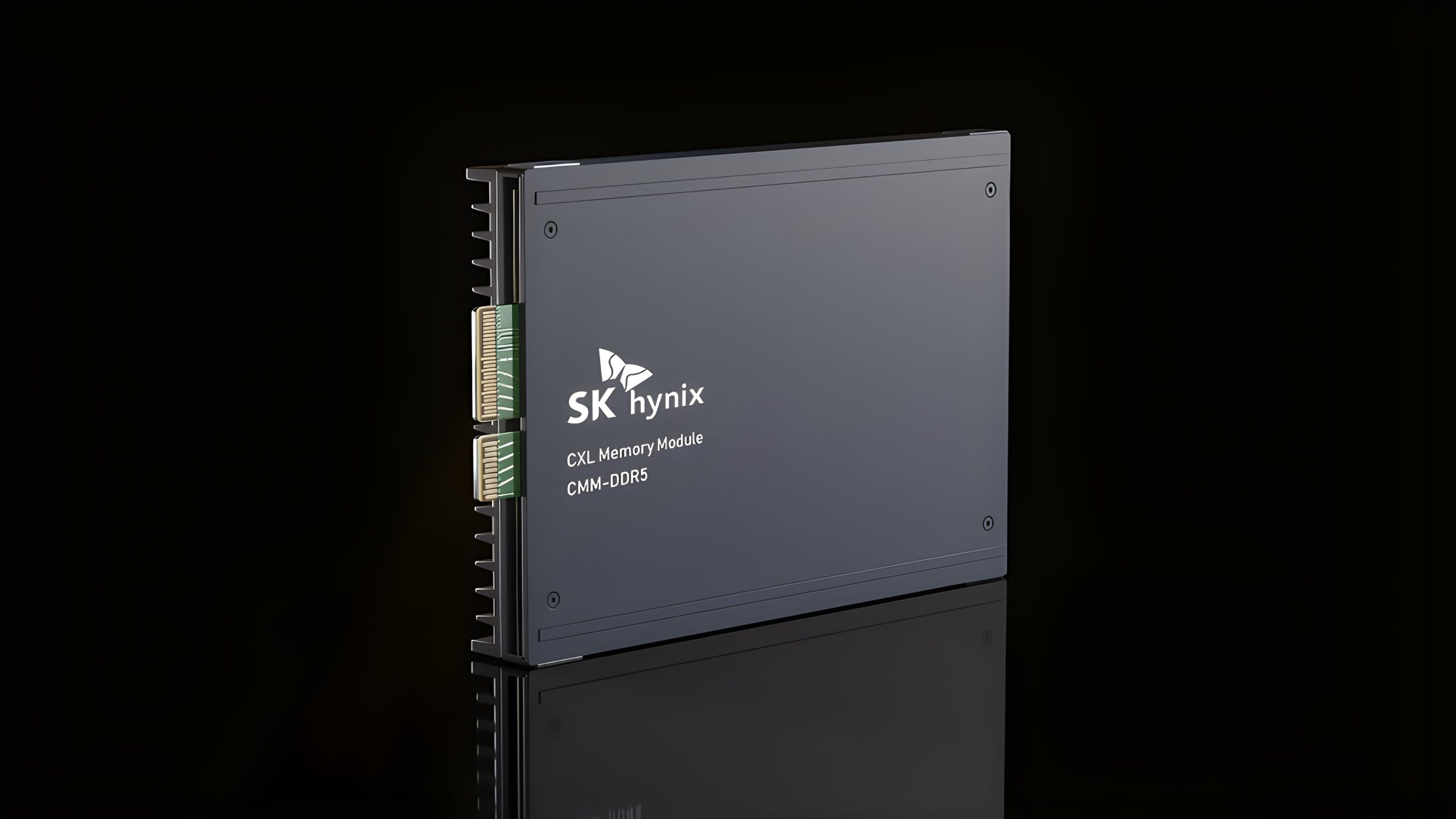
AI-fueled demand is draining SK Hynix’s DRAM inventory at a startling pace, pushing supply to “sold-out” levels and setting the stage for higher memory prices into 2026. That’s the takeaway from a new note highlighting how high-bandwidth memory used in AI servers is swallowing more of the world’s wafer capacity, leaving less room for mainstream DRAM and NAND.
SK Hynix told investors its DDR5 inventory has fallen to roughly two weeks of supply—essentially a produce-and-ship situation—while NAND inventory sits at about four to five weeks. Lead times for DDR5 have already stretched to an industry-pressured 26 to 39 weeks, reflecting how tight the market has become.
The surge is showing up in SK Hynix’s results. In its third quarter of 2025, operating profit jumped 62 percent on the back of a complete sell-out of HBM products. The company also said its DRAM and NAND capacity is fully booked through 2026, and confirmed HBM4 is on track to ship by the end of 2025.
A fresh assessment from Morgan Stanley argues that the rapid spread of AI servers is turbocharging demand for commodity memory, quickly depleting industry inventories and reinforcing an uptrend in prices that could last through 2026. The firm warns the recent spike has laid the groundwork for a severe supply squeeze next year if current trends persist.
SK Hynix currently leads the HBM market with an estimated 64 percent share, followed by Micron at 21 percent and Samsung at 15 percent. With HBM commanding more wafer capacity, production of other key products—particularly DDR5 for PCs and servers and LPDDR5X for mobile devices—is being crowded out, tightening supply and lifting prices. Smartphone makers are already feeling the pinch: industry executives have flagged that storage and memory costs are rising faster than expected and could keep climbing.
Why it matters:
– DDR5 inventory at SK Hynix is down to about two weeks; NAND sits at four to five weeks.
– Lead times for DDR5 have extended to 26–39 weeks.
– DRAM and NAND capacity at SK Hynix is fully booked through 2026; HBM4 shipments expected by end of 2025.
– HBM market shares: SK Hynix 64%, Micron 21%, Samsung 15%.
– Analysts see a tighter memory market and a price upcycle potentially lasting through 2026.
What to watch next:
– The pace of HBM4 ramp and any incremental wafer capacity additions.
– How quickly rivals expand HBM output and whether that relieves pressure on DDR5 and LPDDR5X.
– Memory pricing updates across servers, PCs, and smartphones as OEMs adjust specs and procurement plans.
Bottom line: The AI boom is rewriting the memory market playbook. With HBM soaking up capacity, mainstream DRAM and NAND are headed for tighter supply and firmer prices. Expect sustained pressure on costs for servers, PCs, and mobile devices well into 2026 unless the supply side scales up faster than demand.