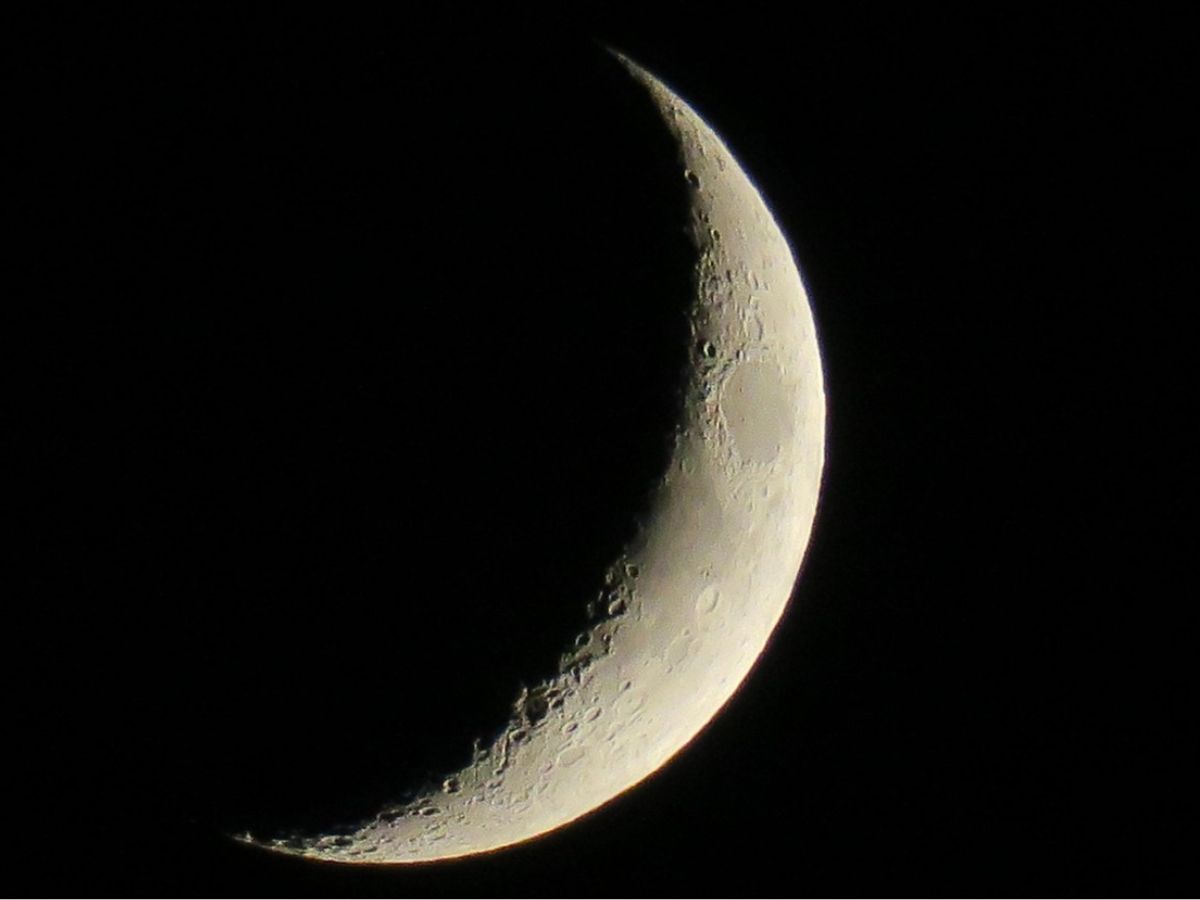
Astronomers have spotted a fresh scar on the Moon’s surface: a newly formed crater about 22 meters across. Detected by the Lunar Reconnaissance Orbiter’s high‑resolution camera, the impact scattered debris tens of meters from the rim, leaving the bright, crisp signature scientists look for when scanning the lunar surface for recent changes.
What makes this find notable isn’t its size alone—after all, the Moon is pockmarked with craters, from tiny pits to giants like the South Pole–Aitken basin measuring roughly 2,500 kilometers wide. The significance is its youth. Image comparisons indicate the impact happened sometime between 2009 and 2012, making it a modern event in geological terms. It is not tied to the brief flashes recorded by skywatchers in early November, but it does fall into the same broader story: the Moon is still being hit, and we can watch it happen.
Why a 22‑meter crater matters for future lunar exploration:
– It refines impact-rate models. Each new crater helps scientists measure how often micrometeoroids strike the Moon today, critical for assessing risk to astronauts, habitats, rovers, and orbiting spacecraft.
– It reveals how the surface evolves. Tracking how fresh craters fade and their ejecta settle improves our understanding of crater degradation and regolith behavior over time.
– It guides safe landing and base planning. Knowing how frequently debris is lofted and how far it travels helps mission planners choose landing zones, position equipment, and design shielding for long-duration stays.
– It supports Artemis-era site selection. With interest in polar regions and potential resource-rich areas, accurate local hazard assessments are essential for reliable operations.
Because the Moon has virtually no atmosphere, it offers little protection from micrometeoroids. Even small impacts can fling high‑speed particles outward, posing hazards to solar panels, radiators, visors, and exposed instruments. By repeatedly imaging the same areas, the Lunar Reconnaissance Orbiter Camera can flag these fresh disturbances—bright ejecta blankets, sharp rims, and newly patterned soil—and build a timeline of recent hits.
Finds like this 22‑meter crater may seem minor compared to the Moon’s ancient basins, but they provide some of the most practical information for the next wave of missions. Every confirmed impact tightens our estimates of how the lunar surface changes today, helping engineers design safer hardware, mission planners pick smarter routes and landing sites, and crews prepare for the realities of living and working on another world.