NASA’s VIPER rover is officially back on the path to the Moon, with a new delivery plan targeting a late 2027 landing at the lunar south pole. Short for Volatiles Investigating Polar Exploration Rover, VIPER is designed to search for and map water ice and other volatile resources—critical ingredients for sustaining future human missions and building a long-term presence on the Moon.
For years, the Moon was thought to be bone-dry. More recent studies turned that idea on its head, revealing trace amounts of water locked in permanently shadowed regions near the poles. VIPER’s job is to pinpoint where those resources are, how much is there, and how accessible they might be. Knowing the location and concentration of lunar ice could help supply drinking water, oxygen, and even rocket fuel through in-situ resource utilization, dramatically reducing what needs to be launched from Earth.
The mission’s road to the launch pad hasn’t been straightforward. Originally slated for late 2023, VIPER was delayed and ultimately canceled due to rising costs. Now, it has been revived under a new delivery plan that leverages commercial hardware. NASA has awarded a CLPS (Commercial Lunar Payload Services) task order, known as CS-7, to Blue Origin of Kent, Washington, with an option to deliver VIPER to the lunar surface.
This marks the company’s second lunar delivery under the CLPS initiative. The first mission, expected to launch later this year, will use the Blue Moon Mark 1 (MK1) robotic lander to ferry NASA’s Stereo Cameras for Lunar-Plume Surface Studies and a Laser Retroreflective Array to the Moon’s south polar region. A second Blue Moon MK1 lander is now under production to deliver VIPER in late 2027.
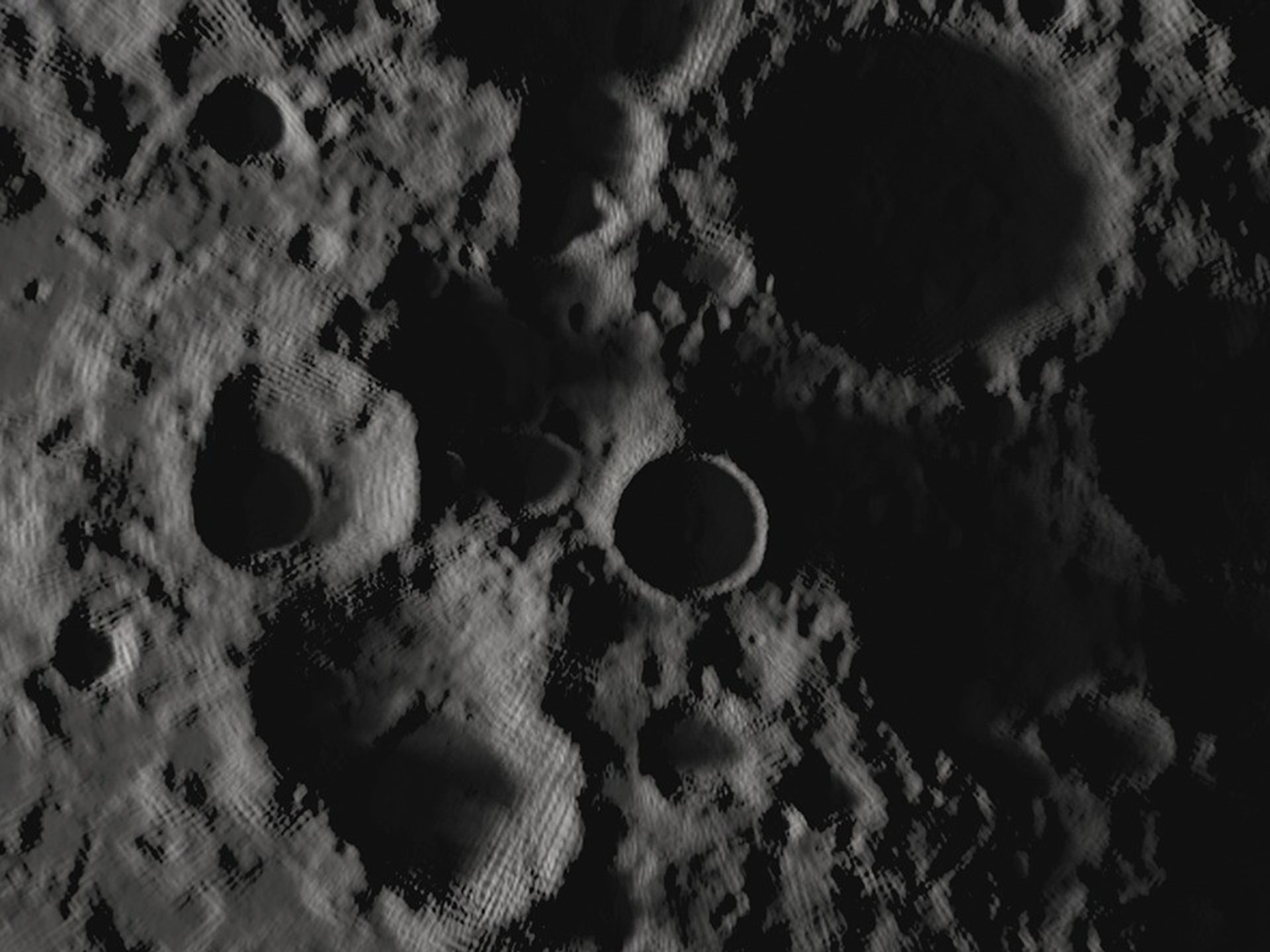
Why the south pole? Craters like Shackleton are rimmed by peaks that see near-constant sunlight, while their interiors sit in eternal darkness. These cold traps are prime locations for preserving water ice over millions of years. By exploring this region up close, VIPER will create the most detailed maps yet of lunar ice distribution—vital data for selecting future landing sites and planning long-duration stays.
What makes VIPER important for the next era of lunar exploration:
– It targets resources that can support human crews, turning the Moon into a refueling and resupply hub.
– It focuses on permanently shadowed regions where ice is most likely to be found and preserved.
– It provides ground-truth measurements to validate orbital observations and refine models of lunar ice deposits.
The combination of a science-driven rover and commercially provided delivery aligns with NASA’s broader strategy to move faster and more affordably by partnering with private companies. If successful, VIPER will not only answer long-standing questions about lunar water but also lay the groundwork for sustainable exploration, where astronauts can live off the land rather than depend entirely on Earth.
With the mission reinstated and a clear path to the surface, VIPER is poised to become a cornerstone in humanity’s return to the Moon—transforming the south pole from a scientific curiosity into a gateway for deeper space exploration.