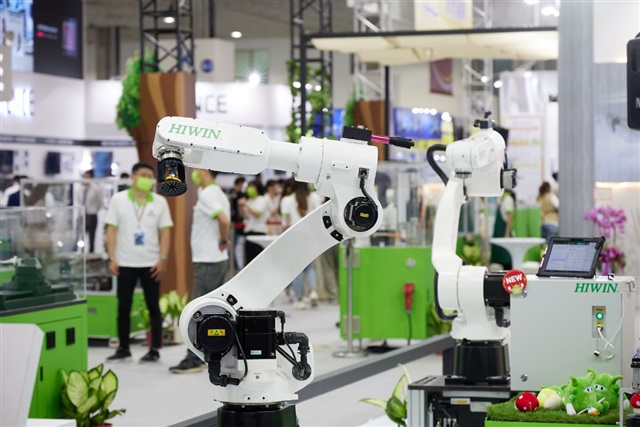
In a world where automation is steadily becoming the backbone of industry, the demand for industrial robots is reaching unprecedented highs. The International Federation of Robotics (IFR) recently unveiled data indicating that global robot installations soared to an impressive 540,000 units in 2023. This not only highlights a significant trend but also signifies the third consecutive year of robust growth in robot installations.
The surge in automation reflects a broader movement where industries seek to optimize efficiency, enhance productivity, and maintain competitive edges in a rapidly evolving market. As businesses across the globe increasingly embrace robotic technology, they are reaping benefits in precision, reliability, and the ability to scale operations swiftly in response to market demands.
This upward trend underscores the pivotal role robots are playing in transforming manufacturing floors and warehouses into hubs of innovation and efficiency. From automotive to electronics and beyond, robots are integral to modern production processes, where they operate tirelessly, ensuring consistency and elevating the standard of manufactured products.
As we witness this continual growth, it’s clear that the integration of robots is no longer a vision of the future but a vital component of today’s manufacturing landscape. This movement promises not only to revamp industries but also to redefine job roles, create new avenues for technological advancement, and propel economic growth on a global scale.
In the face of an ever-increasing demand for these mechanical marvels, one can only anticipate the exciting developments and technological breakthroughs that lie on the horizon, as robots continue to make their mark across various sectors worldwide.