US Restricts Foreign-Made Robots and Power Inverters Over AI Infrastructure Security Concerns
The United States is moving to tighten control over foreign-made technology that could pose risks to its fast-growing artificial intelligence infrastructure. In a significant regulatory move, the Federal Communications Commission has added certain advanced robotic devices and connected power inverters produced overseas to its Covered List, effectively restricting their import and use in the country.
The Covered List was originally created to identify communications equipment considered a national security risk. It has previously been used to limit the presence of foreign telecom hardware in critical US networks. Now, the FCC is expanding its focus beyond traditional communications gear as robotics, energy systems, and AI-powered devices become increasingly connected to sensitive infrastructure.
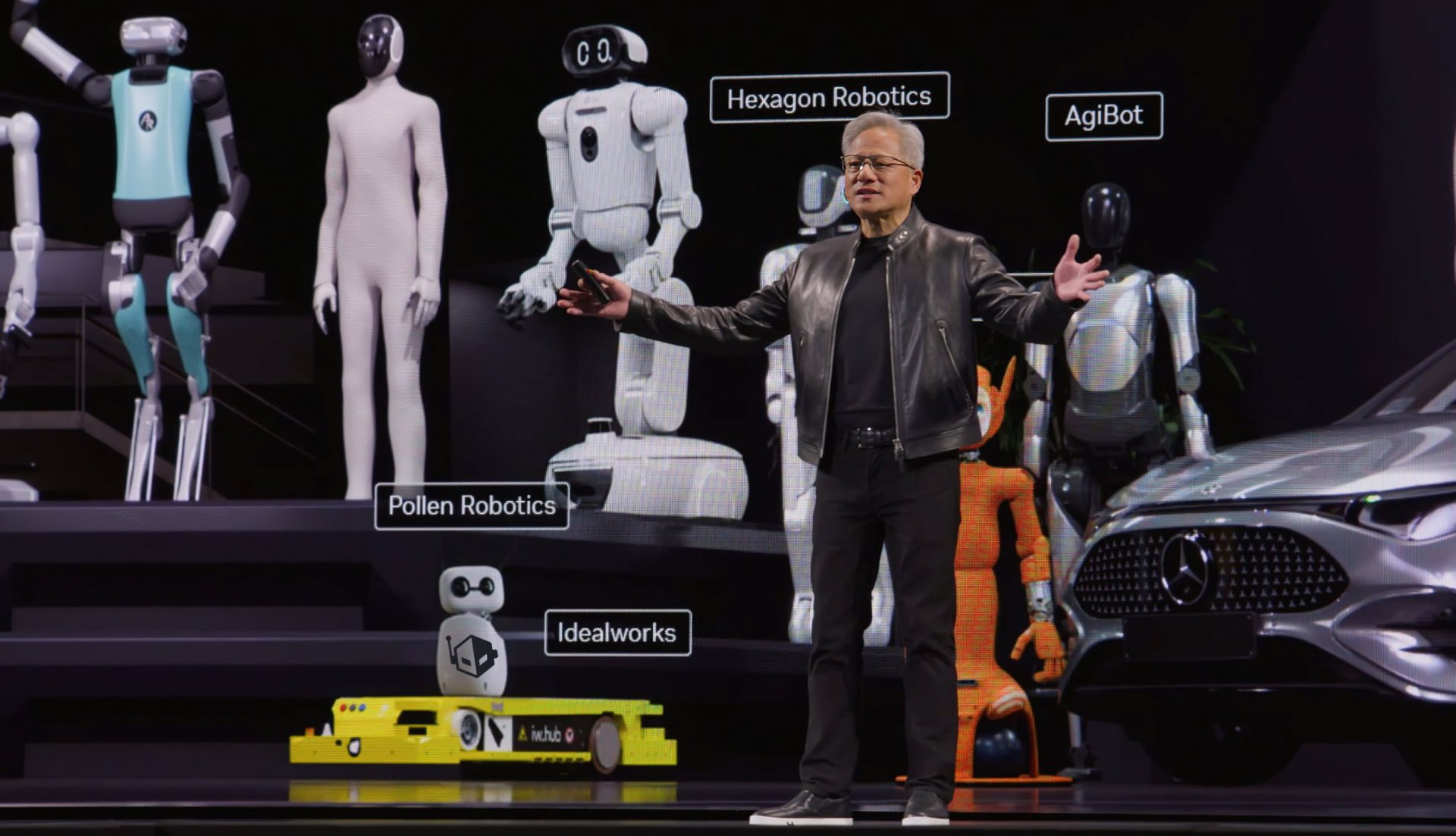
Although the FCC’s announcement does not directly name China, the new restrictions target foreign-produced “advanced robotic devices” and “connected power inverters.” The category of robotic devices includes mobile robots, humanoid robots, and similar connected machines that can move through physical environments, gather data, and communicate remotely.
According to the government’s national security assessment, these technologies could create supply chain vulnerabilities capable of disrupting US economic security, national security, and critical infrastructure. Officials are especially concerned that connected robots and power equipment could become entry points for cyberattacks, surveillance, or remote manipulation.
Humanoid robots are a major focus of the decision. These machines often rely on cameras, microphones, sensors, mapping systems, cloud connections, and artificial intelligence models to operate. While those features make them useful in factories, warehouses, research labs, and potentially homes, they also create serious cybersecurity concerns if the devices are controlled by foreign firms or connected to vulnerable remote systems.
The FCC’s determination warns that foreign-made robotic systems could collect data that may be used by hostile actors to surveil Americans, support foreign intelligence operations, or even allow remote actors to commandeer the robots. The restrictions apply to new products, while existing older models are not the primary target of the latest action.
One company expected to be heavily affected is Unitree, a Chinese robotics firm known for its robot dogs and humanoid robot development. Unitree has gained attention in the robotics industry and has also worked with NVIDIA technology, using powerful AI hardware to help drive advanced robotic functions.
The concern is not only theoretical. In 2025, researchers identified a serious vulnerability affecting Unitree robot dogs. The flaw reportedly allowed remote surveillance and control of the devices. The issue was later tracked under CVE-2025-2894. Unitree addressed the vulnerability in May and stated that a third-party remote control service was responsible.
US officials also cited broader risks involving connected robots. One reported vulnerability exposed access to live camera feeds, microphone audio, and detailed maps of consumer homes. Another vulnerability involving humanoid robots allegedly allowed a remote actor to take over robot operations and scan for other humanoid robots nearby. In the worst-case scenario, that kind of weakness could allow attackers to create a botnet of humanoid robots that spreads without direct user involvement.
A separate incident involving a DJI Romo robotic vacuum demonstrated how quickly connected home devices can become a security concern. After a user reverse-engineered the robot’s cloud communication system to connect it with a PlayStation 5 controller, the process reportedly exposed control over thousands of devices across multiple countries. The incident highlighted the risks of cloud-connected robots that depend on remote services and poorly secured communication systems.
The FCC’s action also covers connected power inverters, another critical category of infrastructure hardware. Power inverters are essential in renewable energy systems, battery storage, industrial facilities, and grid-connected equipment. Because many modern inverters include remote connectivity features for monitoring and management, regulators fear they could be exploited if controlled or influenced by foreign entities.
The national security determination states that remote connectivity in power inverters could allow foreign firms or malicious actors to shut down devices, extract data, enable surveillance, or use the equipment as a pathway for cyberattacks. As the US invests heavily in AI data centers, energy infrastructure, and advanced manufacturing, reliable power systems have become a national priority.
The decision reflects a broader shift in how the US views technology security. The focus is no longer limited to smartphones, telecom towers, or networking equipment. Robots, energy devices, smart appliances, factory machines, and AI infrastructure components are all becoming part of the national cybersecurity conversation.
For the robotics industry, the new rules could reshape supply chains and create opportunities for US-based manufacturers and trusted international partners. Companies developing humanoid robots, warehouse automation systems, industrial robots, and AI-powered machines may face greater scrutiny over where their products are built, how their software is updated, and who controls their data.
For consumers and businesses, the message is clear: connected devices are no longer judged only by performance and price. Security, data privacy, supply chain transparency, and software control are becoming just as important.
As artificial intelligence expands into factories, homes, energy grids, and public infrastructure, the US government is taking a more aggressive stance on foreign-made connected technology. The FCC’s latest restrictions signal that advanced robots and power systems are now considered part of the country’s critical security landscape.


