US President Donald Trump has signed an executive order declaring a national emergency over the security of the nation’s electrical grid, a move aimed at reducing the risk of foreign interference in critical energy infrastructure.
The order, signed on August 26, places new restrictions on the purchase, import, transfer, and installation of certain foreign-made bulk-power system equipment. The administration says the action is necessary to protect the United States from cybersecurity threats, supply chain vulnerabilities, and national security risks tied to equipment that could be controlled or influenced by foreign adversaries.
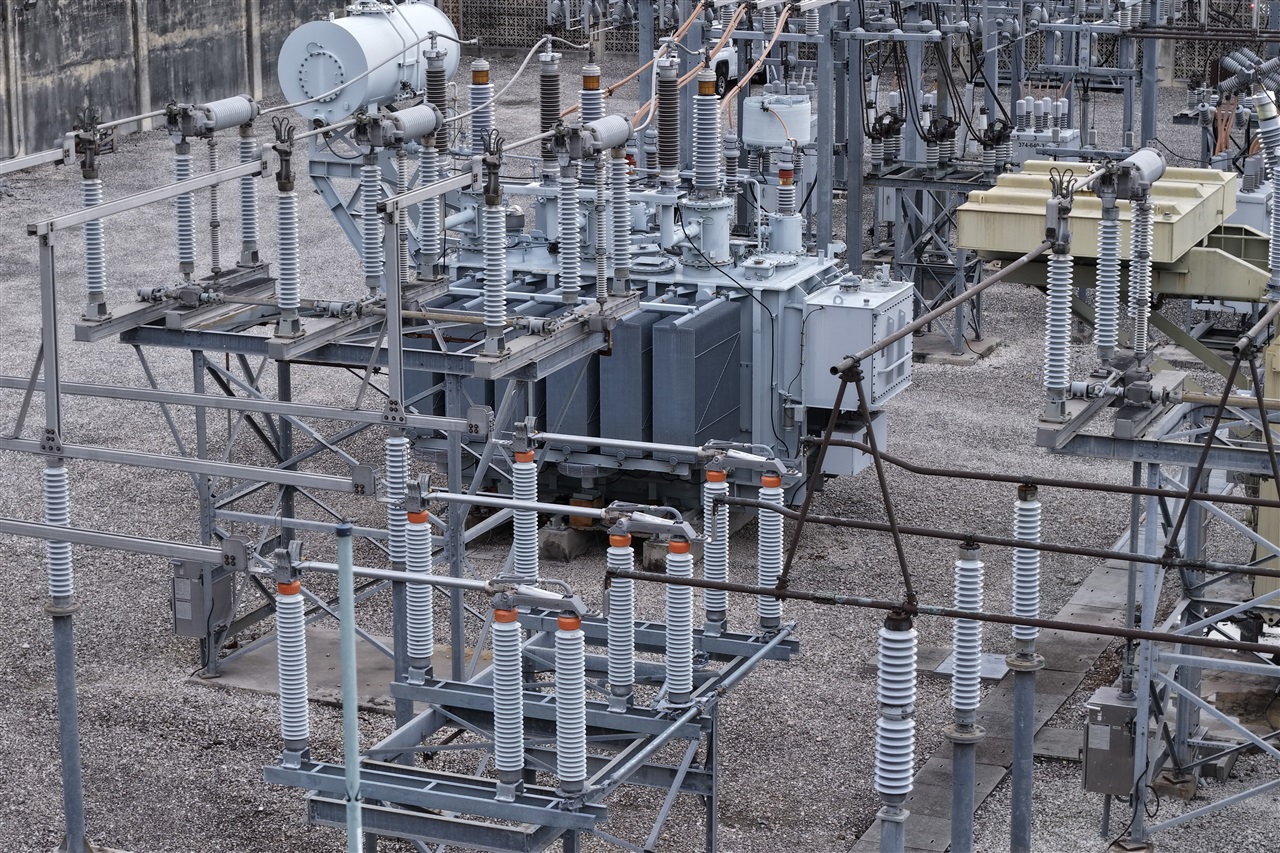
The bulk-power system includes key components used to generate, transmit, and distribute electricity across large regions of the country. Because this infrastructure supports homes, businesses, hospitals, military facilities, financial systems, and emergency services, any disruption could have serious consequences for national stability and public safety.
Under the executive order, federal officials will have greater authority to review and limit the use of specific electrical grid equipment sourced from overseas suppliers if it is believed to pose a security threat. While the order does not publicly name a specific country in the brief announcement, the move is widely seen as part of a broader effort to reduce reliance on foreign-made technology in essential U.S. infrastructure, particularly equipment that may be vulnerable to remote access, sabotage, or hidden security risks.
The decision reflects growing concern in Washington about the possibility that adversarial nations could exploit weaknesses in America’s power grid. Cyberattacks on energy networks have become an increasing focus for governments worldwide, as modern electrical systems rely heavily on digital controls, communications hardware, sensors, and software-driven management tools.
By declaring a national emergency, the Trump administration is framing grid security as an urgent national defense issue rather than a routine trade or procurement matter. The order could affect utilities, energy companies, contractors, and suppliers that depend on international manufacturers for transformers, control systems, circuit breakers, and other large-scale power infrastructure components.
Supporters of the move argue that the U.S. electric grid is too important to depend on equipment that could be compromised or manipulated by foreign governments. They say stronger oversight is needed to ensure that critical systems remain secure, resilient, and under trusted control.
The order may also accelerate efforts to strengthen domestic manufacturing of power grid equipment. If utilities face new limits on certain foreign-made components, demand could rise for U.S.-made alternatives or products from trusted allied suppliers. However, the transition could also create challenges, including higher costs, longer procurement timelines, and supply chain adjustments for the energy sector.
America’s power grid has long been viewed as one of the country’s most vital but vulnerable systems. A large-scale outage caused by cyber intrusion, equipment failure, or coordinated sabotage could disrupt transportation, communications, water systems, healthcare operations, and financial services. The executive order is intended to reduce those risks before they become a crisis.
The new restrictions mark another step in the federal government’s push to secure critical infrastructure from foreign threats. As energy systems become more connected and digitally managed, the security of the hardware behind the grid is becoming just as important as the software used to operate it.
Trump’s emergency declaration signals that the U.S. government is taking a tougher stance on foreign-made electrical grid equipment and is prepared to block or limit technology considered risky. The long-term impact will depend on how the order is enforced, which suppliers are affected, and how quickly the energy industry can adapt to the new security requirements.