US Power Grid Strain Deepens as AI Electricity Demand Surges During Extreme Heat
A recent US emergency order aimed at stabilizing electricity supplies during an intense heat wave has put a spotlight on a growing challenge facing the country: the power grid is under mounting pressure, and artificial intelligence is becoming a major part of the problem.
The order, issued to help keep electricity flowing during a period of extreme temperatures, highlights more than just a short-term weather crisis. It points to a deeper structural imbalance in the US energy system, where aging infrastructure is being pushed harder by rising demand from homes, businesses, factories, and a fast-growing wave of AI data centers.
As temperatures climb, air conditioners run longer, power consumption spikes, and grid operators are forced to find every available source of electricity to prevent outages. But the new pressure is not seasonal alone. The rapid expansion of AI computing has created a sharp and sustained increase in electricity demand, especially in regions where data center development is accelerating.
Artificial intelligence requires massive computing power. The servers used to train and run advanced AI models operate around the clock and consume large amounts of electricity. They also require extensive cooling systems, which add even more demand. As major technology companies race to build new data centers, utilities and grid planners are being forced to rethink demand forecasts that were considered reliable only a few years ago.
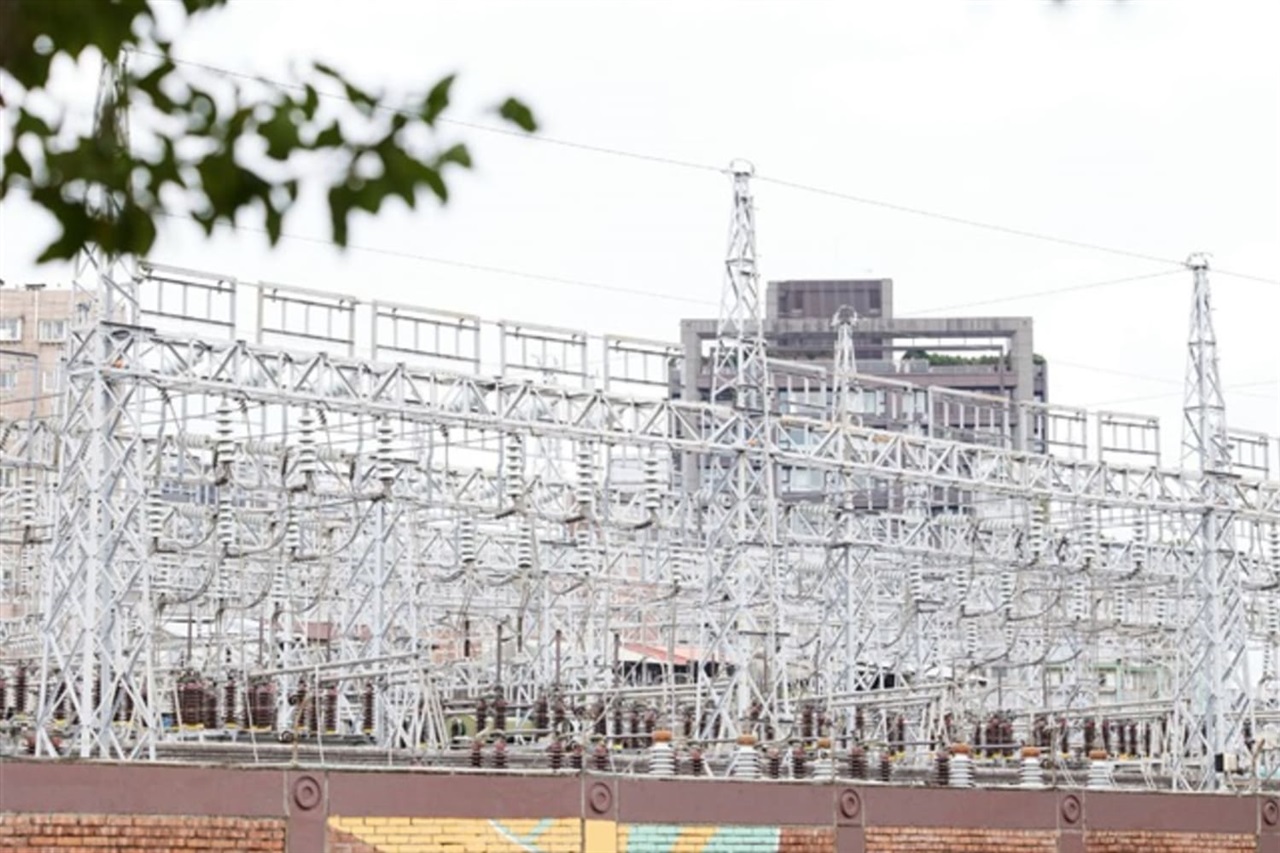
This sudden shift is creating a ripple effect across the energy sector. Power generation companies, equipment manufacturers, grid operators, and utility providers are seeing a surge in orders for transformers, turbines, generators, switchgear, cooling systems, and other critical infrastructure. What was once viewed as steady and predictable growth in electricity demand has become a much more urgent investment cycle.
The US power grid, however, was not built for this speed of change. Much of the country’s transmission and distribution infrastructure is decades old. Many regional grids are already dealing with congestion, long interconnection queues, and delays in adding new generation capacity. Even when renewable energy projects are ready to move forward, connecting them to the grid can take years because of permitting challenges, equipment shortages, and outdated transmission lines.
The result is a complicated balancing act. Utilities must supply enough electricity to meet today’s needs while preparing for tomorrow’s AI-driven demand boom. At the same time, they must protect reliability during heat waves, storms, and other extreme weather events that are becoming more frequent and more disruptive.
In some areas, the pressure is leading to renewed interest in keeping older power plants available for longer than originally planned. While this can help maintain reliability in the short term, it also complicates clean energy goals. Policymakers and energy companies are now facing difficult decisions about how to keep the lights on while still moving toward lower-carbon power sources.
The emergency order serves as a warning that electricity demand is no longer growing at the slow pace many planners expected. For years, improvements in efficiency helped keep US power consumption relatively stable. But AI, cloud computing, electric vehicles, advanced manufacturing, and electrification of buildings are changing that pattern.
Data centers are especially important because they create concentrated demand. A single large facility can require as much power as a small city. When multiple data center projects are planned in the same region, the strain on local grids can become severe. This is why some utilities are now asking for more time, more investment, and clearer planning before approving large new connections.
The boom in AI power demand is also reshaping the business outlook for companies that supply energy infrastructure. Demand for grid equipment has risen sharply, and lead times for key components have stretched. Transformers, in particular, have become a major bottleneck because they are essential for moving electricity efficiently across the grid. Without enough equipment, even approved power projects can face delays.
Energy storage is expected to play a growing role in easing the pressure. Large-scale batteries can store electricity when supply is abundant and release it during peak demand. This can help stabilize the grid during heat waves and reduce the need for emergency measures. However, storage alone cannot solve the entire problem. New transmission lines, faster permitting, modern grid management systems, and additional power generation will also be needed.
The situation has made one thing clear: the rise of AI is not just a technology story. It is also an energy story. The future of artificial intelligence depends on the availability of reliable and affordable electricity. At the same time, the future of the US power grid will increasingly depend on how quickly utilities, regulators, and technology companies can coordinate around new demand realities.
For consumers, the consequences may eventually show up in electricity rates, reliability concerns, and local debates over new energy projects. For businesses, especially those relying on AI and cloud computing, access to power may become as important as access to talent, chips, or capital.
The emergency response during the heat wave may have prevented a more serious supply disruption, but it also revealed how thin the margin has become in parts of the US grid. As AI data centers continue to expand and extreme weather places more stress on electricity systems, the country faces a pressing need to modernize its power infrastructure.
The order boom now benefiting energy equipment suppliers is a sign of how much investment is needed. But it is also a reminder that the grid cannot be upgraded overnight. Meeting the next era of electricity demand will require long-term planning, faster construction, stronger transmission networks, and a more flexible mix of power resources.
The message is becoming harder to ignore: America’s AI ambitions will require a stronger, smarter, and more resilient power grid.