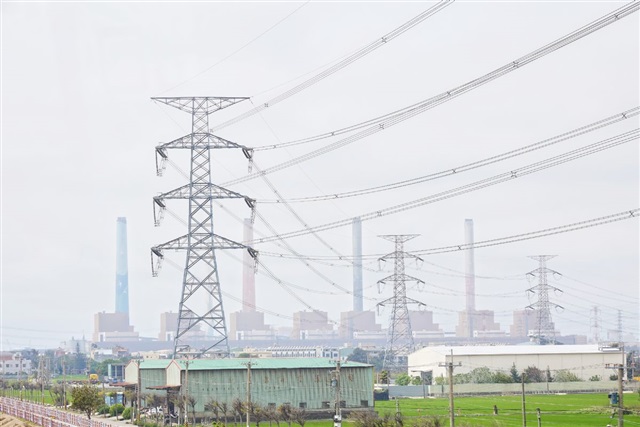
Taiwan’s Electromechanical Industry Enters a New Era Driven by AI, Semiconductors, and Global Grid Demand
Taiwan’s heavy-electrical and electromechanical industry is moving into a fresh stage of growth, supported by rising demand from artificial intelligence, advanced semiconductor manufacturing, renewable energy, and overseas power grid upgrades. For years, the sector depended heavily on Taiwan Power, commonly known as Taipower, as the main driver of orders through grid modernization and infrastructure projects. That foundation remains important, but the market is now expanding well beyond a single domestic customer.
The shift comes at a time when electricity demand is increasing rapidly. AI data centers, semiconductor fabs, high-performance computing facilities, and advanced manufacturing plants all require stable, high-capacity power systems. This is creating new opportunities for companies that produce transformers, switchgear, power distribution systems, motors, control equipment, and other electromechanical components.
Taipower’s ongoing grid modernization program continues to support the industry. Taiwan’s power network must become more resilient as renewable energy sources, energy storage systems, and smart grid technologies become a larger part of the electricity mix. Aging infrastructure also needs replacement and upgrades to handle heavier power loads and improve reliability.
However, the bigger story is the growing role of private-sector demand. Semiconductor manufacturers are investing heavily in new facilities, and these fabs require sophisticated power infrastructure. Even minor power disruptions can affect production, making high-quality electrical systems essential. As chipmakers expand capacity to meet global demand for AI processors, advanced packaging, and high-end computing components, Taiwan’s electromechanical suppliers are seeing broader business opportunities.
AI is also becoming a major growth engine. Data centers built to support AI training and cloud computing consume enormous amounts of electricity. These facilities need advanced power management, cooling support, backup systems, and reliable grid connections. As Taiwan strengthens its position in the global AI supply chain, demand for heavy-electrical equipment is expected to rise alongside it.
Another important factor is the global push to upgrade power grids. Many countries are investing in stronger electrical networks to support renewable energy, electric vehicles, industrial growth, and digital infrastructure. This creates export opportunities for Taiwanese electromechanical companies with experience in grid equipment, power systems, and industrial electrical solutions.
Overseas markets could become increasingly important as domestic suppliers look to reduce reliance on local utility projects. Countries in Southeast Asia, the United States, Europe, and other regions are investing in grid expansion and modernization. Taiwanese manufacturers may benefit from their established engineering capabilities, competitive production, and close links to the semiconductor and electronics supply chains.
The industry is also being reshaped by energy transition trends. Solar power, offshore wind, battery storage, and smart grid systems all require specialized electrical equipment. As renewable energy becomes more widely adopted, power networks must be upgraded to manage intermittent generation and maintain stable supply. This provides another long-term growth path for companies in Taiwan’s heavy-electrical sector.
At the same time, challenges remain. Companies must manage rising material costs, supply chain pressure, skilled labor needs, and international competition. Power equipment also requires high safety standards and long certification processes, especially for export markets. To compete globally, Taiwanese firms will need to invest in advanced manufacturing, automation, quality control, and research and development.
Despite these challenges, the outlook for Taiwan’s electromechanical industry appears stronger than in previous cycles. The sector is no longer relying only on traditional utility spending. Instead, it is being supported by multiple growth drivers, including AI infrastructure, semiconductor expansion, renewable energy, smart grids, and overseas power network investment.
This broader demand base could help create a more stable and resilient industry. Taipower’s grid projects will continue to provide a core foundation, but future growth is likely to come from a wider mix of customers and markets. As electricity becomes increasingly central to advanced technology and industrial development, Taiwan’s heavy-electrical and electromechanical companies are positioned to play a larger role in both domestic and global infrastructure.
The next phase for the industry will depend on how well companies adapt to these opportunities. Firms that can provide reliable, efficient, and scalable power solutions for semiconductor fabs, AI data centers, renewable energy projects, and international grid upgrades are likely to benefit the most.
Taiwan’s electromechanical sector is entering a turning point. What was once a market mainly shaped by domestic utility demand is now becoming part of a much larger global power infrastructure story. With AI and semiconductors driving electricity needs higher, and countries around the world racing to modernize their grids, Taiwan’s heavy-electrical industry may be entering one of its most important growth periods yet.