U.S. Robot Import Ban Could Delay New Roombas, Robotic Lawn Mowers, and Smart Home Robots
The U.S. government is moving forward with a new robot import restriction that could affect far more than advanced humanoid machines. While the policy was initially expected to target humanoid robots and four-legged robotic systems, new clarification from the Federal Communications Commission shows that many everyday consumer robots may also fall under the rule.
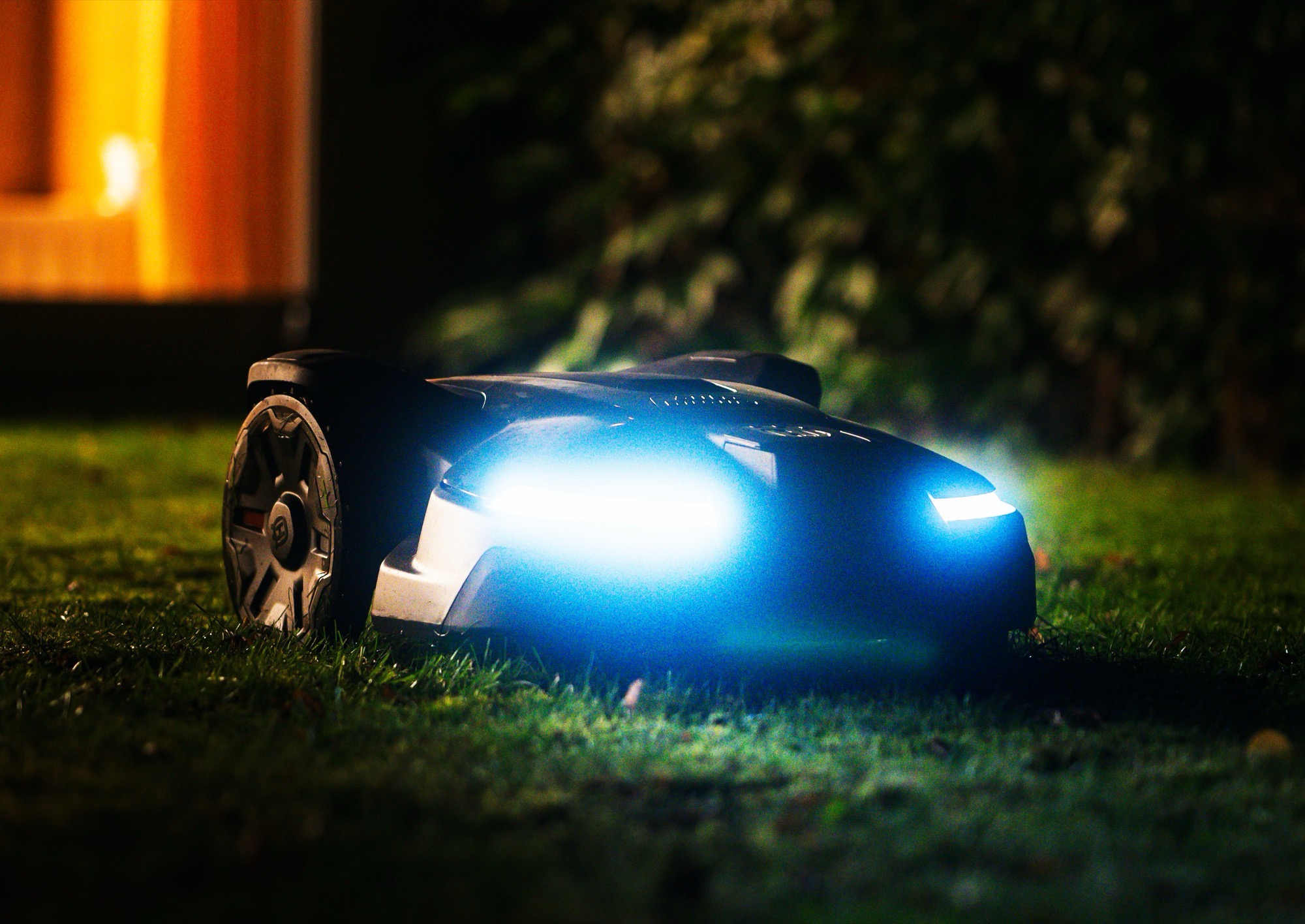
That means future robot vacuum cleaners, mopping robots, robotic lawn mowers, pool-cleaning robots, transport robots, and even some warehouse automation machines could face import limits if they have not already received approval.
The regulation is part of the Trump administration’s “AI Action Plan,” which aims to bring more robot manufacturing and supply chain operations into the United States. The goal is to reduce reliance on foreign-made robotics and encourage companies to build production capacity domestically.
Under the proposed framework, newly developed robot models that have not yet been approved would be blocked from import unless the manufacturer receives a special exemption. These exemptions appear to be designed as a temporary option for companies that are actively working to shift production or supply chains to the U.S.
The surprising part is how broad the definition of a “robot” appears to be. According to the FCC’s explanation, the rule applies to machines that can move autonomously, include sensors, connect to a network, and weigh more than 4.4 pounds when including accessories such as docking stations.
That definition covers a large number of popular smart home devices. Many robot vacuums and robot mops easily meet those requirements, since they navigate on their own, use cameras or other sensors, connect to Wi-Fi, and dock automatically for charging. Robotic lawn mowers and pool-cleaning robots are also likely to be included.
The impact on consumers could be significant. Existing robot models that already have FCC certification can continue to be sold in the United States. Robots that are already in homes, gardens, factories, or warehouses will also continue to function normally. The ban does not appear to disable current devices or prevent owners from using them.
The bigger issue is what happens next. If the regulation remains unchanged, new robot models may not arrive in the U.S. at the same time as they do in other markets. Some companies may delay launches while they seek approval, while others could skip the U.S. market entirely for certain products if the process becomes too expensive or complicated.
For shoppers, this could mean fewer choices when buying the latest robot vacuum, smart mop, robotic lawn mower, or autonomous cleaning device. It could also slow innovation in the smart home market, where manufacturers frequently release upgraded models with improved navigation, stronger suction, better mapping, and more advanced AI-powered features.
Businesses may also feel the effects. The wording could apply to autonomous transport robots used in warehouses, logistics centers, hospitals, factories, and other commercial environments. These robots are becoming increasingly important for moving goods, improving efficiency, and reducing labor-intensive tasks.
Supporters of the policy may argue that robotics is becoming too important to depend heavily on overseas supply chains. As AI-powered machines become more common in homes, workplaces, and public spaces, the government appears to be treating robotics as a strategic industry tied to national security and economic competitiveness.
However, critics are likely to question whether broad restrictions on consumer robots are the right approach. A policy originally associated with advanced robotics could end up affecting common household products such as Roombas and robotic mowers, even though these devices are primarily used for cleaning floors or maintaining lawns.
For now, the key detail for buyers is that current robot models already certified for sale in the U.S. are not being removed from the market. But future releases may face new hurdles, and consumers could notice slower product launches, reduced availability, or higher prices if manufacturers need to adjust their supply chains or apply for exemptions.
The final impact will depend on how the rule is enforced and whether the government narrows its definition of affected robots. If it remains broad, the U.S. smart home robotics market could look very different in the coming years, with new vacuum robots, robotic lawn mowers, and autonomous cleaning devices arriving later than expected.