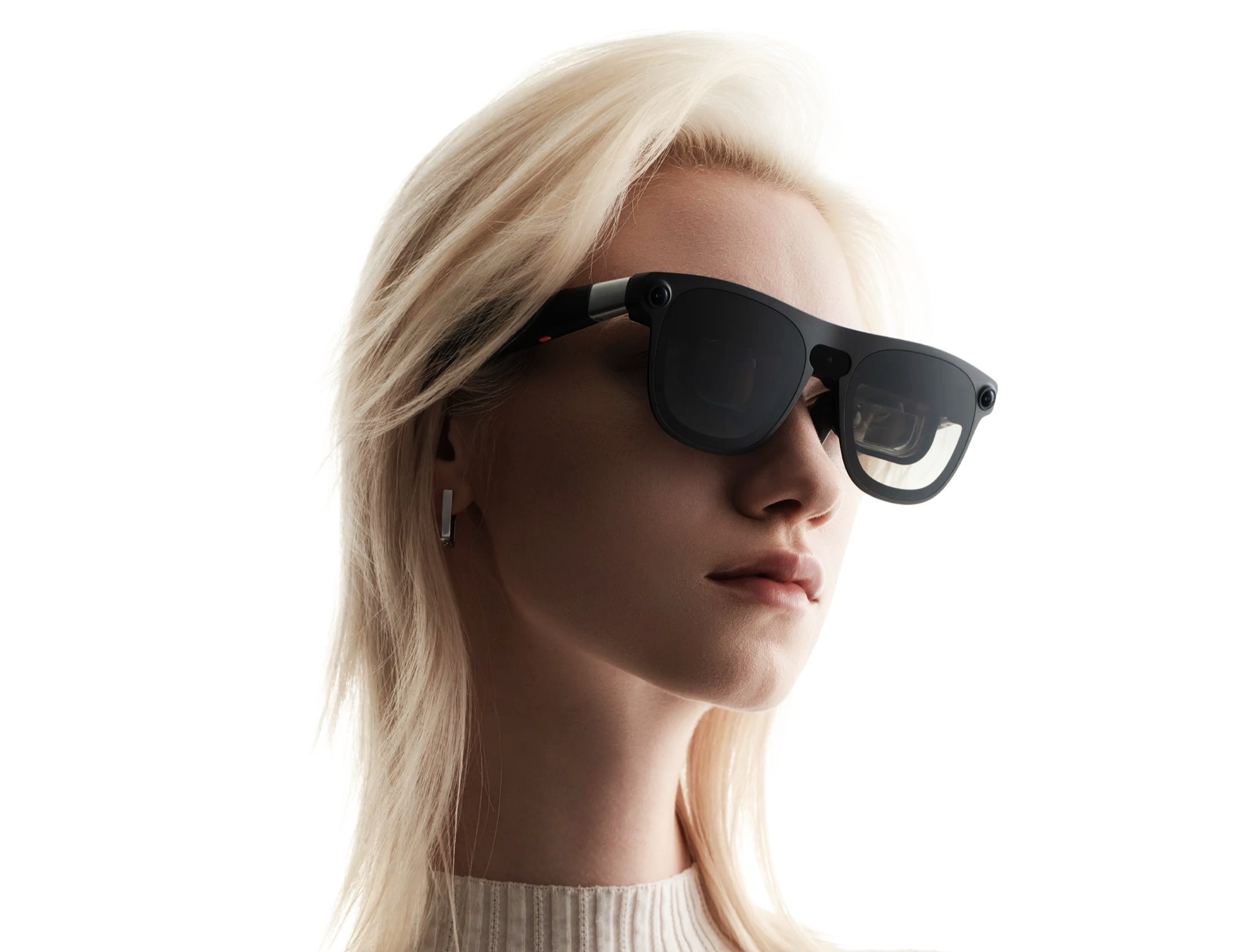
Xreal Aura Launches With OLED Displays, Android XR, and 150+ Immersive Apps
Xreal has officially introduced the Aura smart glasses, bringing a new Android XR experience to consumers who want portable mixed reality for gaming, entertainment, productivity, learning, and professional use. The launch took place at the Google Android Developer Summit, where the company showcased the device alongside a dedicated controller and portable wireless keyboard.
The Xreal Aura is now available in the United States, Canada, Japan, and South Korea. A wider international rollout is expected to begin in 2027. The device was first previewed as Project Aura in 2025, and the final version now arrives with a clearer focus on immersive Android XR experiences.
The Aura comes in two configurations. The entry model includes 12 GB of memory and 256 GB of storage, with a limited-time price of $1,099 instead of its regular $1,279 price. The higher-end version features 16 GB of memory and 512 GB of storage, currently offered at $1,299 instead of $1,499. These promotional prices are available through December 2026, with shipping scheduled to begin in mid-November 2026.
One of the key highlights of the Xreal Aura is its lightweight design. The glasses feature OLED displays and a 95g body, making them portable enough for long sessions while still delivering a high-end visual experience. With Android XR support, the device is designed to blend entertainment, communication, multitasking, and spatial computing into a wearable format.
Xreal is also expanding the Aura ecosystem with accessories aimed at both gamers and productivity users. The new controller, developed in collaboration with GameSir, is built for immersive XR gameplay and includes a dedicated Google Gemini button. This allows users to quickly access Google’s AI assistant while playing or navigating virtual environments.
For productivity, Xreal has introduced a compact wireless keyboard. The keyboard is designed to make multi-window workflows easier, giving users a more practical way to type, browse, manage apps, and work in virtual spaces. This could make the Aura more appealing to users who want smart glasses for more than just entertainment.
At launch, the Xreal Aura supports more than 150 Made-for-XR apps, with more expected to arrive over time. The available experiences cover a wide range of categories, including sports, gaming, music education, finance, and healthcare.
Sports fans can explore immersive apps for NBA and Nascar content, including live event feeds designed for XR viewing. Gamers will have access to titles such as Chess Club and Fallout: Factions, while music learners can try Simply Piano XR for interactive piano lessons in a spatial environment.
The Aura is also targeting professional and enterprise users. Apps such as Plynk Spatial are designed for stock research and trading, while XR HoloMedicine allows users to view medical images in an immersive format. These use cases suggest that Xreal wants the Aura to compete not only as a consumer gadget but also as a tool for business, education, and specialized industries.
With OLED visuals, Android XR integration, AI access through Google Gemini, and a growing library of immersive applications, the Xreal Aura is entering the smart glasses market as a serious mixed reality option. Its combination of lightweight hardware, gaming support, productivity tools, and enterprise features could help it appeal to a broad range of early adopters.
For users interested in virtual displays, spatial apps, and wearable computing, the Xreal Aura may be one of the more notable Android XR devices to watch heading into 2027.


