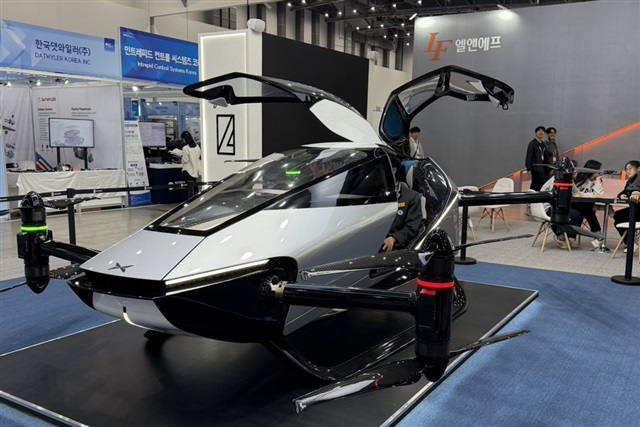
Xpeng’s flying car push just took a tangible step forward. Its dedicated eVTOL subsidiary, ARIDGE, has outlined a three-step roadmap designed to bring personal electric vertical takeoff and landing aircraft out of concept clips and into everyday life. That plan is already gathering momentum, with the company securing its first big order in the Middle East and preparing the production muscle to back it up.
At the heart of ARIDGE’s strategy is a clear progression from vision to reality. The company is moving beyond showreels and prototypes toward real customers, real factory capacity, and real-world use. For anyone watching the future of urban air mobility, this represents a meaningful shift: the conversation is no longer just about what’s possible, but about how it will be delivered.
Here’s the three-step roadmap ARIDGE is putting into place to commercialize personal eVTOLs:
– Step one: convert buzz into business. ARIDGE is turning interest into purchase orders, validating product-market fit and giving suppliers, regulators, and partners the confidence that demand is real. Locking in orders also sharpens specifications and timelines, aligning development with what early adopters actually need.
– Step two: build for scale. The company is developing the factory capacity required to move from low-volume prototypes to consistent, certification-ready production. This includes supply chain readiness, repeatable manufacturing processes, and quality control systems essential for aviation-grade reliability.
– Step three: launch early-use programs. With orders in hand and production ramping, ARIDGE is preparing initial rollouts that put eVTOLs into real environments. Early operations allow the team to refine training, maintenance, and customer experience while working with local authorities on airspace, safety, and infrastructure.
The first major order in the Middle East underscores growing global interest in personal eVTOLs. It’s a signal that the market is shifting from curiosity to commitment, and that regions seeking next-generation mobility are ready to pilot new services. For buyers, the appeal is clear: compact, electric aircraft that lift off vertically can bypass ground congestion, open up point-to-point travel, and do it with zero tailpipe emissions.
What this could mean for early adopters and cities:
– Faster, flexible commuting on short to mid-range hops
– New options for tourism, point-to-point shuttles, and premium transport
– Potential integration with vertiports, rooftop pads, and private facilities
– A foundation for broader urban air mobility networks as regulations evolve
Of course, turning flying cars into a daily reality requires more than orders and factories. Aviation certification, pilot training and automation standards, noise and flight corridor management, ground infrastructure, and ongoing maintenance support are all critical pieces. ARIDGE’s phased approach suggests it intends to tackle these systematically—starting small, proving reliability, and scaling with data from early operations.
Why the roadmap matters now:
– It moves the conversation past prototypes and toward accountable milestones like orders and production capacity.
– It sends a market signal to suppliers and regulators that commercialization is underway, encouraging cooperation and clearer timelines.
– It sets expectations for customers: initial deployments first, broader availability as systems mature.
As personal eVTOLs edge closer to everyday use, the companies that execute on production and operations—not just design—will define the category. ARIDGE’s plan to bridge concept and commercialization, backed by an early regional order and factory ramp-up, positions it to be one of the players turning the promise of flying cars into practical, real-world mobility.
Bottom line: ARIDGE is charting a pragmatic path from hype to habit. With a three-step roadmap, growing demand, and a focus on scalable manufacturing and early deployments, Xpeng’s flying car effort is transitioning from future talk to near-term reality in the personal eVTOL market.