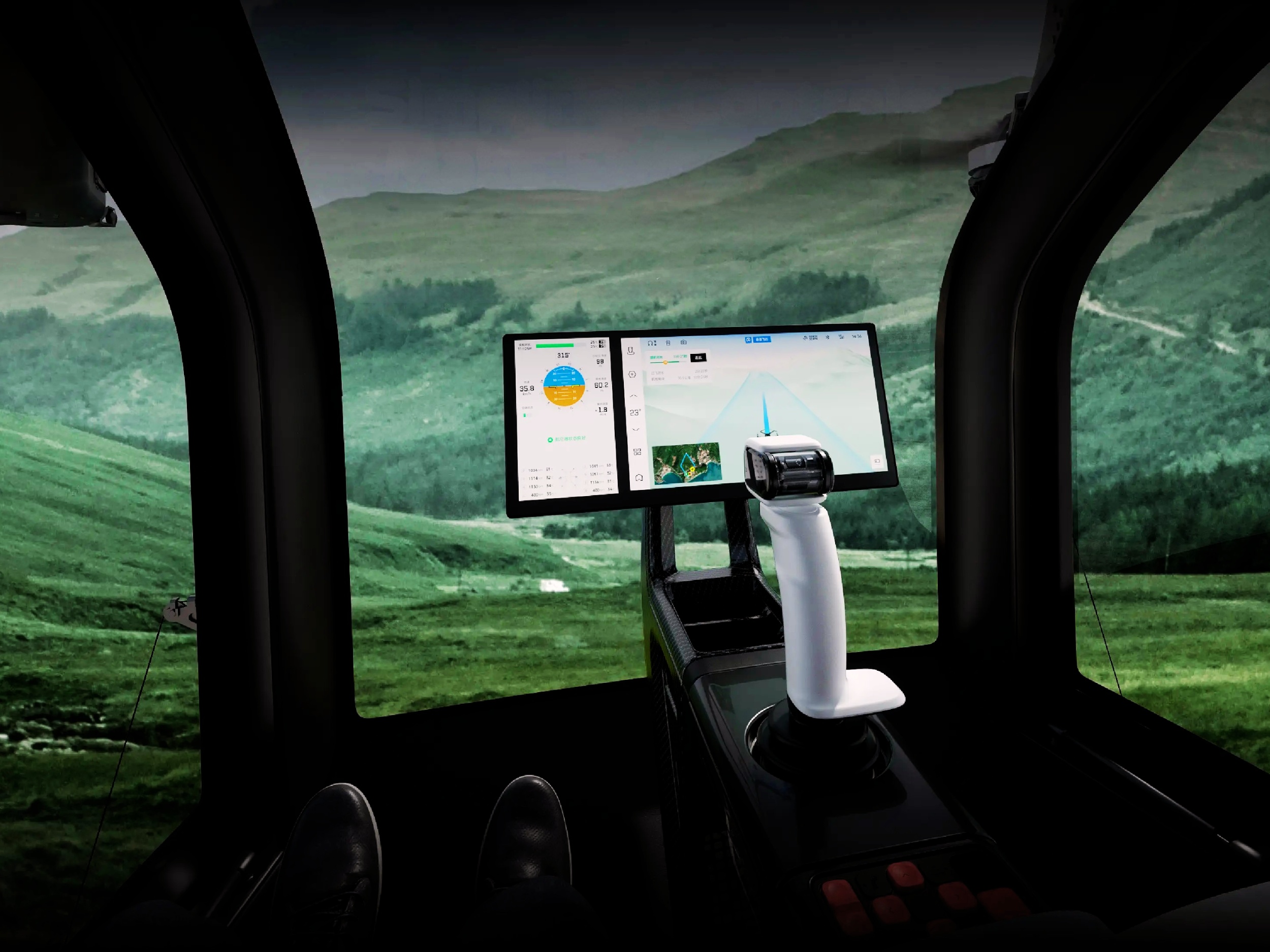
Xpeng, often seen as one of China’s strongest electric vehicle challengers, is setting its sights well beyond traditional EVs. The company says it wants to mass-produce a “flying car” from 2027, positioning itself as a broader mobility brand rather than only an electric carmaker.
What Xpeng is building isn’t a standard road car that suddenly sprouts wings. Instead, it’s a two-part system designed to keep road travel and air travel as separate components. The concept is called the Land Aircraft Carrier, and it combines an electric “carrier” vehicle with a detachable eVTOL aircraft (electric vertical takeoff and landing) that can carry two people. The carrier vehicle transports the aircraft on the road, essentially acting as a mobile launch-and-support platform. The system was recently showcased publicly at CES 2025, underscoring that Xpeng wants this to be seen as a serious product effort—not a distant fantasy.
The project comes from Xpeng’s aviation-focused subsidiary, Xpeng AeroHT, which has also started operating internationally under the name Aridge. According to company leadership, early deliveries could begin as soon as the end of 2026, ahead of the stated 2027 mass-production goal. Xpeng also claims strong early interest, saying more than 7,000 orders have already been placed, with most demand coming from China.
Still, turning a futuristic concept into a real consumer product hinges on one major factor: regulatory approval. Because the eVTOL component is treated as an aircraft, it isn’t regulated like a car. That means it must meet aviation-level safety and certification standards, a process that can be complex and time-consuming. Whether Xpeng can hit its ambitious timeline will largely depend on how quickly China’s aviation authorities approve the aircraft for use.
If certification goes smoothly in China, the company’s international footprint could make overseas expansion a realistic next step. Xpeng already operates in about 60 countries and says around 15% of its revenue currently comes from foreign markets. Its longer-term commercial goal is even more aggressive: the company wants more than half of its revenue to come from outside China within the next five to ten years. With existing global partnerships and a clear push toward international growth, it’s not hard to imagine the company exploring markets like Europe over time—although any rollout beyond China would require additional approvals from aviation regulators in each region.
Public reaction so far has been mixed, leaning skeptical. Online discussions frequently raise concerns about safety, real-world practicality, and what happens when risky driving habits meet low-altitude air travel. Some people view the Land Aircraft Carrier as a meaningful early move toward a new transportation category, but many see the 2026–2027 timeline as an optimistic projection rather than a guaranteed launch window.
For now, Xpeng’s flying car plan sits at an intriguing crossroads of technology, regulation, and consumer trust. If the company can clear aviation certification and prove day-to-day usability, the Land Aircraft Carrier could become one of the most talked-about mobility launches of the decade. If not, it may remain a bold showcase of what the next era of electric transportation is trying to become.