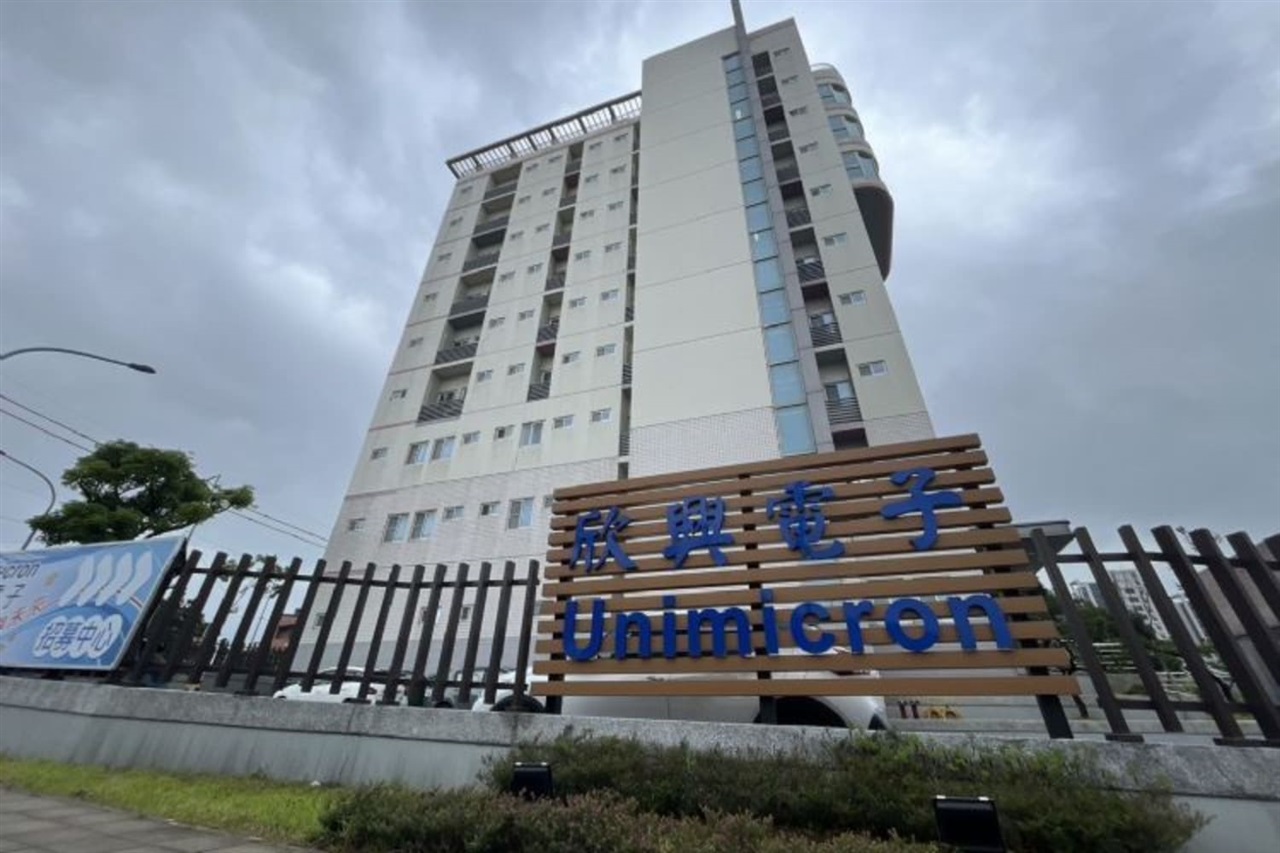
Taiwan IC Substrate Maker Xinxing Pauses Some Machinery After Fatal Incident
Taiwanese IC substrate manufacturer Xinxing has reportedly halted part of its machinery operations following a fatal incident, raising fresh attention on workplace safety in the semiconductor supply chain.
The company, known as a key player in the production of integrated circuit substrates, is part of the broader electronics manufacturing ecosystem that supports chip packaging and advanced semiconductor production. While full details surrounding the incident remain limited, the shutdown of some equipment suggests the company is taking precautionary steps as the situation is reviewed.
IC substrates are critical components used to connect semiconductor chips to circuit boards, making them essential for devices such as smartphones, servers, computers, networking equipment, and automotive electronics. Any interruption at a major substrate producer can draw industry concern, especially as global chip supply chains continue to operate under tight production schedules and strong demand from artificial intelligence, data center, and consumer electronics markets.
Workplace safety has become an increasingly important issue in advanced manufacturing, where high-speed machinery, chemical processes, and precision equipment are often involved. A fatal incident can lead to internal inspections, temporary production adjustments, and regulatory reviews, depending on the circumstances.
For Xinxing, the immediate focus is likely to be on determining the cause of the incident, securing the affected area, and ensuring that remaining operations meet safety requirements. Temporary equipment shutdowns are often used to prevent further risk while investigations are underway.
Although it is not yet clear whether the machinery halt will have a meaningful impact on production output, industry observers will be watching closely. IC substrate capacity is an important part of the chipmaking pipeline, and even limited disruptions can attract attention from customers and suppliers if they affect delivery timelines.
The incident also highlights the pressure faced by semiconductor-related manufacturers as they scale production to meet growing demand. As chip technology becomes more advanced, the manufacturing environment becomes more complex, making safety management and equipment oversight even more crucial.
Further updates are expected as more information becomes available about the cause of the accident, the scope of the machinery shutdown, and whether normal operations can resume soon. For now, the priority remains worker safety, operational review, and preventing similar incidents in the future.