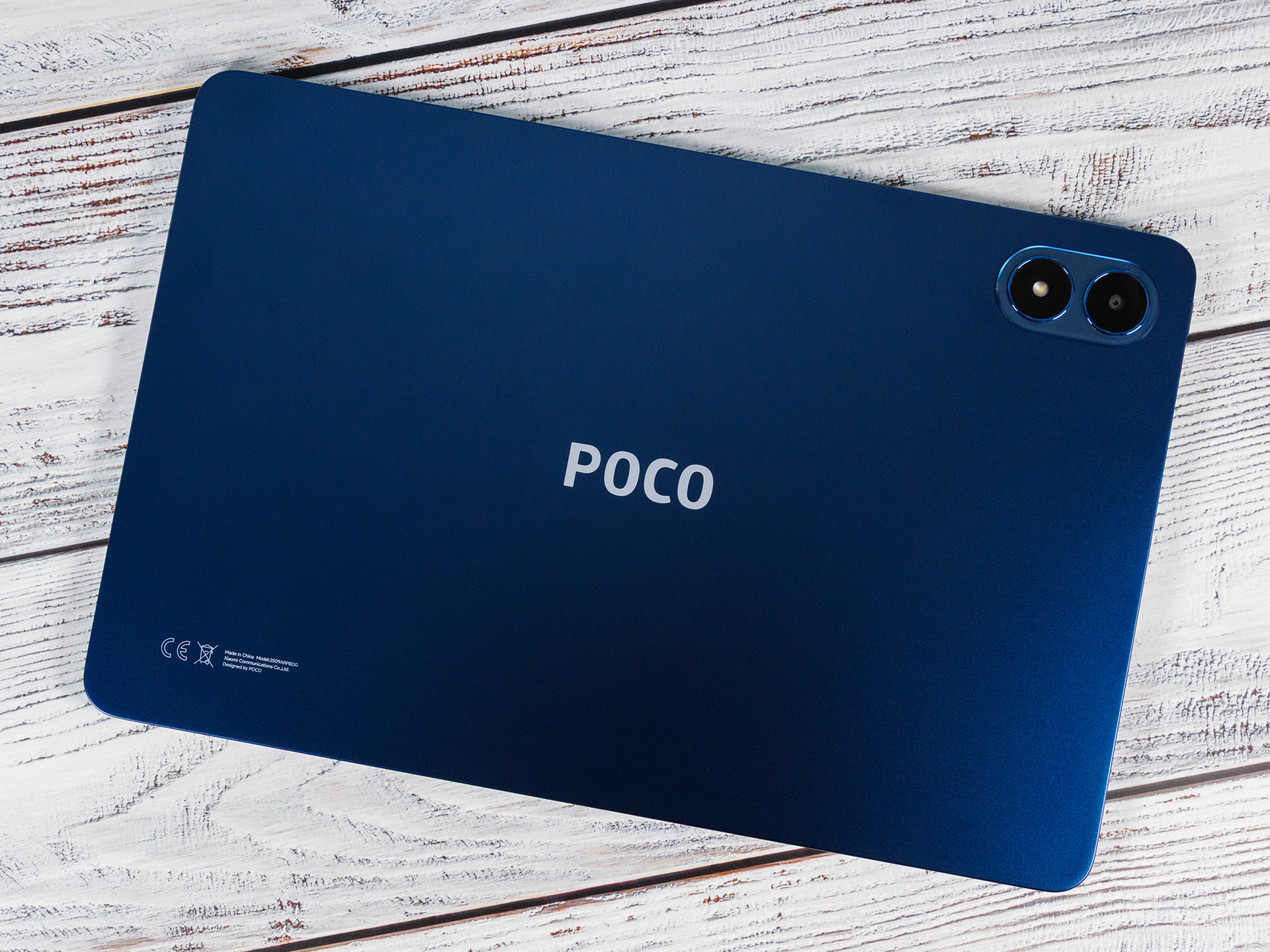
The Xiaomi Poco Pad M1 makes a strong case for itself as a practical, well-balanced mid-range tablet, especially for anyone who prioritizes a big screen, dependable performance, and long battery life at a sensible price.
Right away, the 12.1-inch display is the star of the show. It delivers accurate colors and solid contrast for an LCD panel, helped by a low black level that keeps movies, reading, and everyday browsing looking clean and pleasing. The adaptive refresh rate of up to 120 Hz also gives scrolling and animations a smoother feel. Another welcome detail: the screen runs flicker-free without PWM, which can be a big plus for users sensitive to display flicker during long sessions. The main compromises are outdoor brightness, which can be limiting in strong light, and support for only a single HDR standard.
In daily use, performance is comfortably smooth thanks to the Snapdragon 7s Gen 4. Apps open quickly, multitasking feels stable, and typical work like streaming, office tasks, and casual gaming runs well. That said, truly demanding apps and heavier workloads can expose the limits of the chipset, which is expected in this price class.
Xiaomi keeps the Poco Pad M1 lineup simple: it’s sold in one configuration with 8 GB of RAM and 256 GB of UFS 2.2 storage. While some buyers might wish for multiple storage options, the included microSD card slot makes it easier to expand space for media, downloads, and documents. There’s also a 3.5 mm headphone jack, which many tablets have dropped and some users still prefer for wired audio.
Connectivity is centered around Wi-Fi rather than cellular. There’s no 5G, and features like NFC and a vibration motor are also missing. On the bright side, the tablet supports Wi-Fi 6 and can use the 6 GHz band, which can translate into faster speeds and less congestion on compatible networks. The touchscreen is described as precise and also works with an optional Poco Smart Pen, making it more appealing for note-taking, marking up documents, and casual sketching.
For cameras, expectations should stay realistic. The Poco Pad M1 produces decent tablet-level photos and video, but it won’t compete with modern smartphones. Still, the quality is good enough for video calls, quick snapshots, scanning simple documents, and general communication.
Audio comes from quad speakers with Dolby Atmos support, but the sound is only average overall and can come across as a bit hollow. If you care a lot about rich speaker output for movies or music, you may still want headphones or an external speaker.
Battery life is one of the tablet’s biggest wins. With a large 12,000 mAh battery, the Poco Pad M1 is built for extended use across work, school, travel, and entertainment. Charging is supported up to 33 watts, which helps reduce downtime when you do need to top up.
Build quality also helps the Poco Pad M1 feel more premium than many mid-range rivals. The aluminum unibody is neatly finished, sturdy, and gives the tablet a solid, high-quality impression in hand.
Software update timing is slightly unclear depending on which source you look at. Community discussion points to updates extending through 2029, while the EPREL database suggests five years, which would mean support at least into 2030.
Overall, the Xiaomi Poco Pad M1 is a recommended mid-range tablet for buyers who want a large 12.1-inch display, strong battery endurance, reliable day-to-day performance, and good value. It’s especially well-suited for streaming, studying, browsing, video calls, and general productivity—so long as you don’t need 5G, NFC, or top-tier speakers and cameras.


