Xiaomi has moved fast to shield its 2026 smartphone lineup from the global memory crunch, locking in a dedicated contract that secures adequate DRAM and NAND supply for the entire year. The announcement came from Xiaomi Group President Lu Weibing via Chinese outlet Aijiwei, though he did not disclose the supplier. Given industry dynamics, potential partners could include Samsung, SK hynix, Micron, Kioxia, Western Digital, or China-based players such as YMTC and CXMT.
The move won’t come cheap. Xiaomi expects significantly higher component costs and is signaling that retail prices may rise as a result. As the company continues pushing into the premium segment, it also expects to have more flexibility to pass through those costs while maintaining competitiveness.
According to Lu Weibing, the current surge in memory pricing is part of a longer upcycle than usual. Unlike previous swings driven mostly by smartphone demand, this round is being propelled by booming AI requirements—especially high-bandwidth memory—which is lifting prices across the broader memory market.
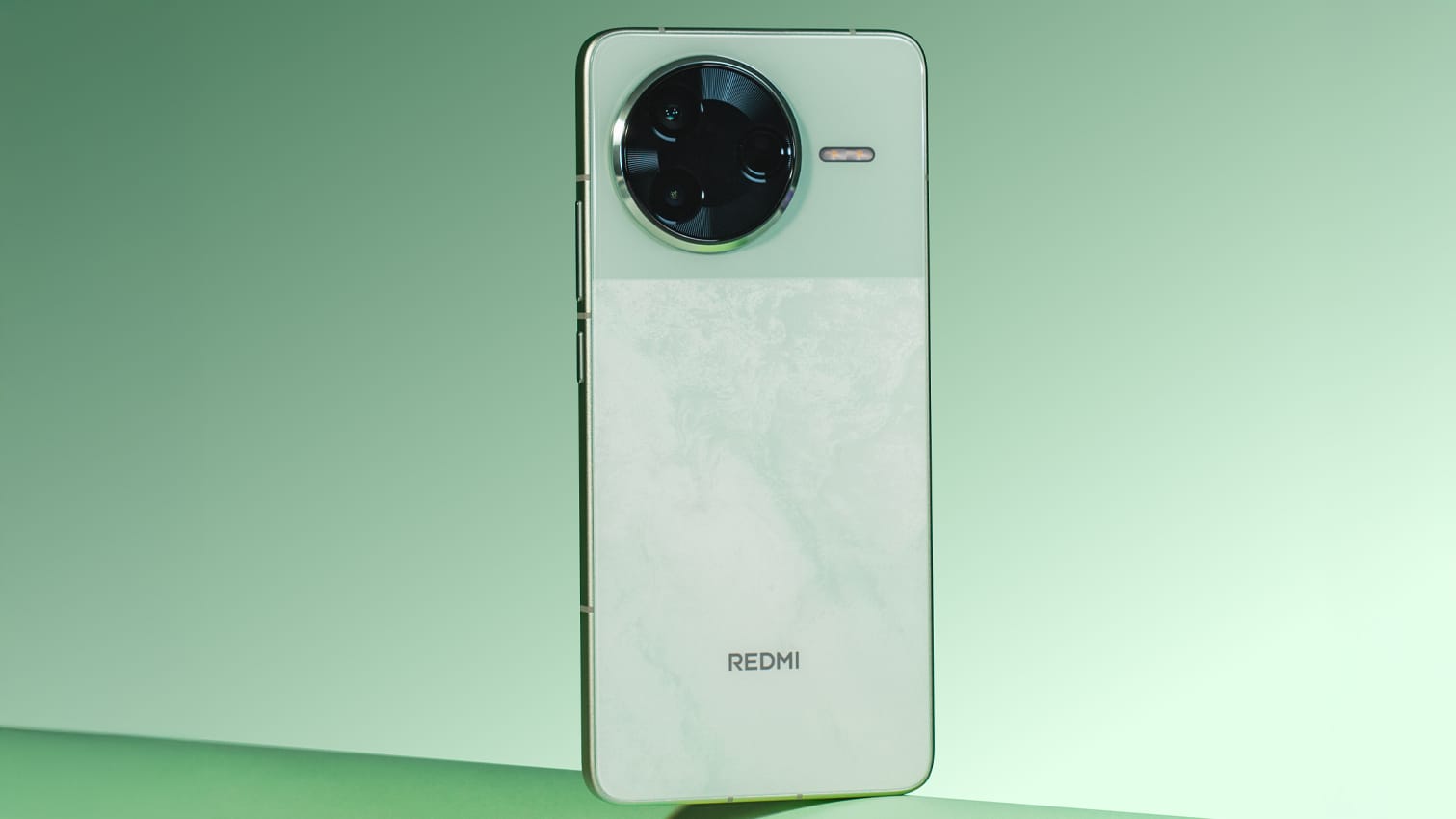
Xiaomi has been preparing consumers for this reality over the past few weeks. Responding to criticism over price adjustments for the Redmi K90 series, Lu noted that global supply chain trends are beyond the company’s control and that storage costs have climbed faster than expected, with further increases likely. Even so, Xiaomi demonstrated some pricing flexibility by offering a 300 yuan (about $42) discount on the 12GB + 512GB base version of the Redmi K90, hinting at room within initial margin planning to support targeted promotions.
What this means for buyers: expect storage-heavy configurations to become more expensive industry-wide in 2026, not just at Xiaomi. The company’s long-term contract should help stabilize availability and reduce the risk of stock shortages, while its shift upmarket suggests future devices will lean harder on premium features to justify higher build costs.
For the industry, Xiaomi’s move underscores the new reality: AI-driven demand—especially for advanced memory—has turned memory pricing into a prolonged cycle rather than a brief spike. Smartphone makers that secure early, guaranteed supply are likely to be better positioned on both product planning and launch timing as the market tightens through 2026.