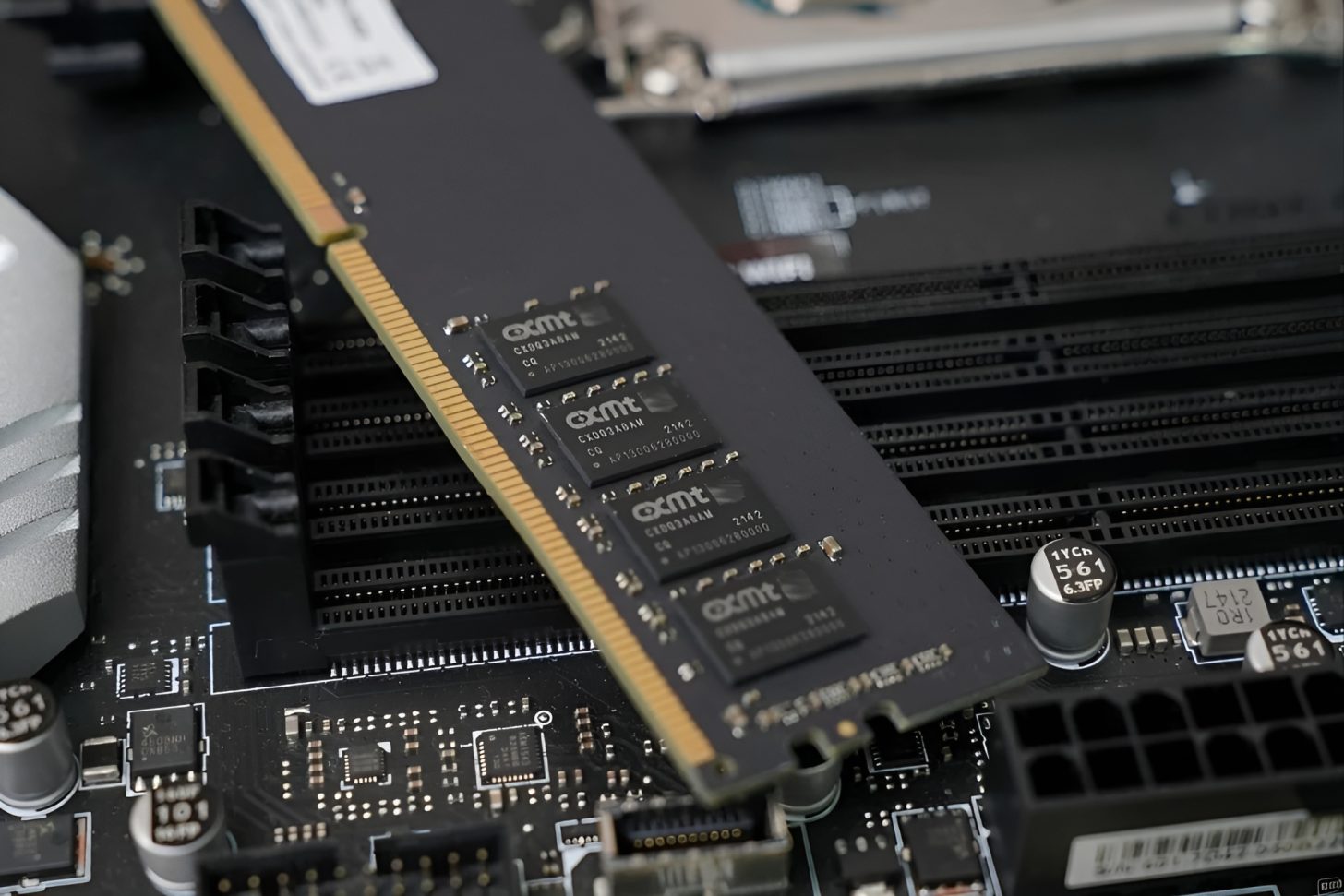
CXMT DDR5 Memory May Not Be Cheaper Than Samsung, SK Hynix, and Micron, but It Has One Key Advantage
CXMT has quickly become one of the most closely watched names in the global DRAM market, especially as memory prices continue to rise and supply remains tight across the PC industry. The Chinese memory manufacturer has been viewed by many as a potential relief point for the client memory segment, thanks to its growing production capacity and increasing involvement with module makers.
However, the idea that CXMT DDR5 memory will dramatically undercut major DRAM suppliers may not be accurate. According to information shared by several memory vendors, CXMT’s DDR5 pricing is not significantly cheaper than memory from established manufacturers such as Samsung, SK Hynix, and Micron. In many cases, pricing is said to be in a similar range.
That does not mean CXMT has no advantage. Its biggest strength right now appears to be availability.
While the largest DRAM companies are heavily focused on high-margin products for artificial intelligence and data center customers, such as HBM and other advanced memory solutions, CXMT is still concentrating mainly on traditional DRAM. This gives the company more room to supply the client PC market, including entry-level and mainstream DDR5 memory modules.
For PC builders and memory brands, that supply access matters. The consumer DRAM market has been under pressure as demand from AI-related sectors absorbs more production capacity from major memory makers. As a result, DDR5 memory prices have climbed, and vendors are looking for alternative supply sources to keep products available.
CXMT is already making progress in DDR5 memory, but it is still not at the same technological level as the biggest global DRAM manufacturers. Its DDR5 chips are currently better suited for entry-level and mainstream memory kits rather than premium enthusiast modules. The fastest CXMT DDR5 speeds seen so far are around 8000 MT/s, and the company has also started production of RDIMM products.
However, CXMT still trails competitors in more advanced memory categories, including CUDIMM, CQDIMM, MRDIMM, and CSODIMM. These newer formats are important for high-performance PCs, workstations, servers, and next-generation platforms, but they require more advanced processes and stronger validation before they can compete at the top end of the market.
Several memory vendors are now testing CXMT DDR5 DRAM for use in their own modules. For now, these products are expected to focus mainly on affordable and mainstream segments. Initial availability will likely be aimed at the Chinese market before expanding more broadly once higher-quality bins and stronger supply consistency are achieved.
Another reason CXMT is attracting attention from memory brands is its more flexible business approach. Some major DRAM suppliers are reportedly requiring customers to commit to full payments in order to secure additional supply. In certain cases, customers who do not meet these terms may face penalties on future orders.
CXMT, by comparison, is said to offer more flexible arrangements without the same level of pressure. This makes the company appealing to module makers that need dependable supply without strict penalties or complicated purchasing conditions.
In short, CXMT DDR5 memory may not be the bargain some expected, but it could still play an important role in stabilizing the consumer memory market. Its pricing may be close to Samsung, SK Hynix, and Micron, but its available supply and flexible terms give it a practical advantage.
For buyers, this means CXMT-based DDR5 modules may not instantly bring major price cuts, but they could help improve availability in the entry-level and mainstream PC memory market. As the company expands production and improves its technology, CXMT could become a stronger global competitor in the DDR5 memory space over time.