Xiaomi Redmi M100 Pro Launches in China, but It Feels More Like a Familiar Comeback
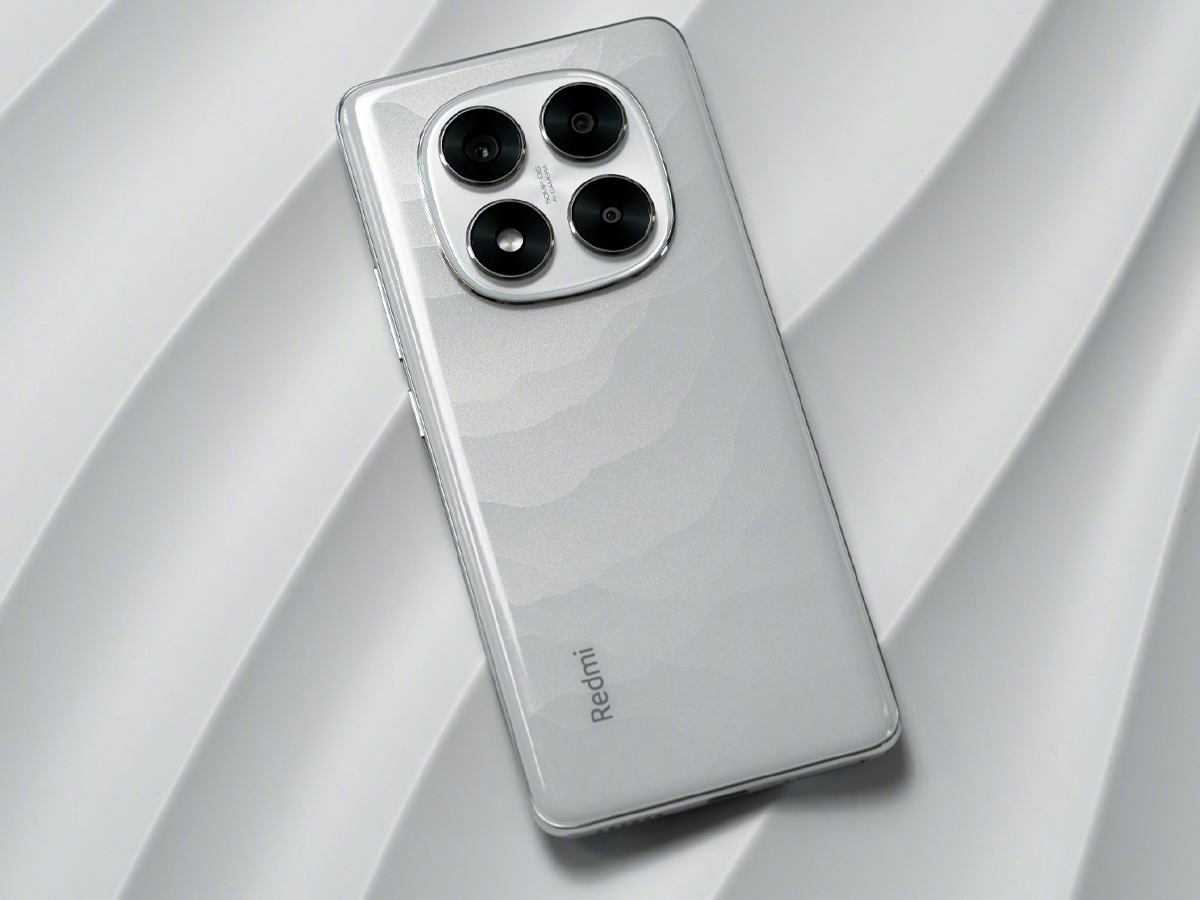
Xiaomi has introduced the Redmi M100 Pro in China, but this is not exactly a fresh smartphone built around new hardware. Instead, the device appears to be a revived version of the Chinese Redmi Note 14 Pro, carrying nearly the same specifications under a new name.
The Redmi M100 Pro seems to be aimed mainly at local carrier offers rather than buyers looking for the best performance-per-yuan deal. It has been listed in China at CNY 2,499, which is roughly around $375. At that price, the phone may struggle to stand out, especially when the Chinese smartphone market is already packed with more powerful mid-range and upper-mid-range options.
At the heart of the Redmi M100 Pro is the MediaTek Dimensity 7300-Ultra, a mid-range chipset that first appeared in 2024. While it is still capable enough for everyday use, social media, video streaming, and casual gaming, it no longer feels especially competitive in 2026 at this price level. In the same price segment, some competing models offer significantly stronger processors, including devices powered by newer high-end Snapdragon chips.
Battery capacity is another area where the Redmi M100 Pro feels a little dated. Xiaomi has equipped the phone with a 5,500mAh battery, which would have been considered solid not long ago. However, many recent mid-range phones in China are now moving toward much larger batteries, with some models crossing the 8,000mAh mark. For users who prioritize long battery life, this could make the M100 Pro less appealing.
The display is one of the stronger parts of the package. The Redmi M100 Pro features a 6.67-inch AMOLED screen with a 120Hz refresh rate, making it suitable for smooth scrolling, gaming, and media consumption. Xiaomi also claims a peak brightness of 3,000 nits, which should help with outdoor visibility and HDR content. For users who care most about screen quality, the phone still has something to offer.
The camera setup, however, is more in line with an older mid-range device than a modern 2026 release. On the back, the Redmi M100 Pro includes a 50MP main camera, an 8MP ultrawide camera, and a 2MP macro sensor. The front of the phone houses a 20MP selfie camera. This setup should be adequate for casual photography, video calls, and social media shots, but it is unlikely to impress users looking for flagship-level imaging or major camera innovation.
Charging support is rated at 45W, and the phone also supports PD3.0 compatibility. That should allow reasonably quick top-ups, although faster charging speeds are becoming increasingly common in this segment. Xiaomi has also included dual speakers, which should improve the audio experience for videos and gaming.
One notable advantage is the IP68 rating for dust and water resistance. This gives the Redmi M100 Pro added durability and makes it more practical for everyday use, especially for buyers who want some protection against accidental splashes or brief exposure to water.
Xiaomi is offering the Redmi M100 Pro in a single configuration with 12GB of RAM and 256GB of storage. That should be enough for most users, particularly those who install many apps, save photos and videos, or switch between multiple tasks throughout the day.
Overall, the Xiaomi Redmi M100 Pro feels like a strategic relaunch rather than a truly new Redmi phone. Its AMOLED display, IP68 rating, dual speakers, and decent storage configuration are appealing, but the older chipset, modest battery by current standards, and familiar camera hardware make the launch price harder to justify.
For buyers in China, the Redmi M100 Pro may make sense if it appears in discounted carrier bundles or promotional offers. As a standalone purchase at its launch price, however, it faces tough competition from newer smartphones with faster processors, larger batteries, and more advanced features. A global release also seems unlikely, making this device more of a local market refresh than a major new Redmi launch.