Windows Laptop Prices Are Pushing Some Buyers Toward MacBooks in 2026
The laptop market in 2026 is becoming a tough place for shoppers, especially for anyone trying to buy a capable Windows notebook without overspending. Rising DRAM and storage costs have pushed prices higher across the industry, making many mainstream laptops feel far less affordable than they did just a few years ago.
For years, MacBooks were often criticized for being expensive, difficult to upgrade, and too locked into Apple’s ecosystem. But the current pricing situation has changed the conversation. With Windows laptops becoming more expensive due to memory shortages, Apple’s MacBook lineup is starting to look surprisingly competitive for buyers who want strong performance, excellent battery life, and premium build quality.
One Reddit user recently summed up the frustration many shoppers are feeling. After previously criticizing Apple laptops, the user admitted that current Windows laptop pricing has become so difficult to navigate that they started watching videos about switching from Windows to MacBook. The user pointed out that Apple Silicon MacBooks are widely praised for their build quality and battery life, with many owners reporting over 15 hours of use on a single charge.
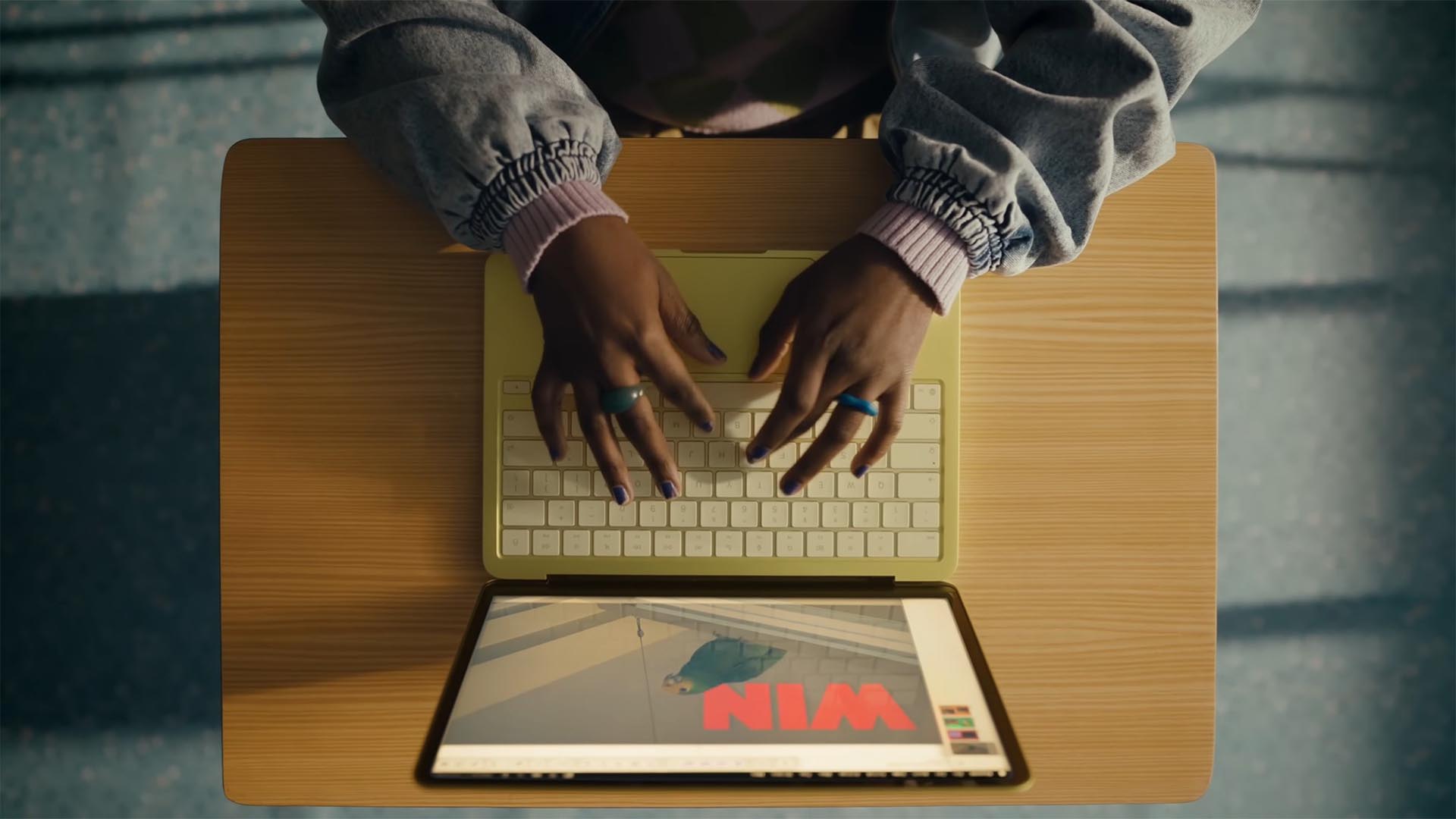
The biggest surprise for many buyers is that a base M2 or M3 MacBook Air now appears to be one of the more reasonable value-for-money choices. That is a major shift in perception, especially for people who previously believed Windows notebooks offered better flexibility and pricing.
A major reason behind this change is the global DRAM shortage. Memory prices have climbed sharply, and some PC makers have already suggested that high RAM pricing could remain a long-term problem. If shortages continue for several more years, affordable laptops with decent memory and storage configurations may become harder to find.
This has created an unusual situation where MacBooks, even after price increases, can still deliver an impressive price-to-performance ratio. Apple’s tight control over hardware and software, combined with the efficiency of Apple Silicon chips, allows the MacBook Air and MacBook Pro models to remain strong options for students, professionals, and everyday users.
That does not mean Windows laptops are no longer worth considering. The market may be more expensive and confusing than before, but there are still solid choices for buyers willing to look carefully.
For example, the HP OmniBook 3 stands out as a budget-friendly option with a Snapdragon X processor, a practical selection of ports, and a much lower price than many competing machines. At around $599.99, it offers an appealing package for users who want a modern Windows laptop without spending close to premium laptop money.
For those with a larger budget, models like the ASUS Zenbook S16 with Snapdragon X2 Elite hardware offer a more powerful Windows experience. At around $1,599.99, it sits closer to the price range of buyers looking for a premium notebook, while still providing an alternative to Apple’s MacBook lineup.
The key issue is that the Windows laptop market now requires more research than ever. Buyers can still find good machines, but the days of easily finding a powerful, affordable, well-built Windows notebook may be fading, at least while memory and storage prices remain elevated.
MacBooks, meanwhile, have benefited from consistency. Their strong battery life, quiet performance, sturdy design, and long-term software support make them attractive even to users who once dismissed Apple laptops entirely. For many people, especially those who do not need gaming performance or specific Windows-only software, a MacBook Air may now feel like the safer purchase.
In short, the DRAM shortage has made laptop shopping more complicated, and Windows buyers are feeling the pressure. While there are still worthwhile Windows notebooks available, MacBooks have become harder to ignore. If current pricing trends continue, more longtime Windows users may start considering Apple’s laptops not because of brand loyalty, but because they simply make sense for the money.