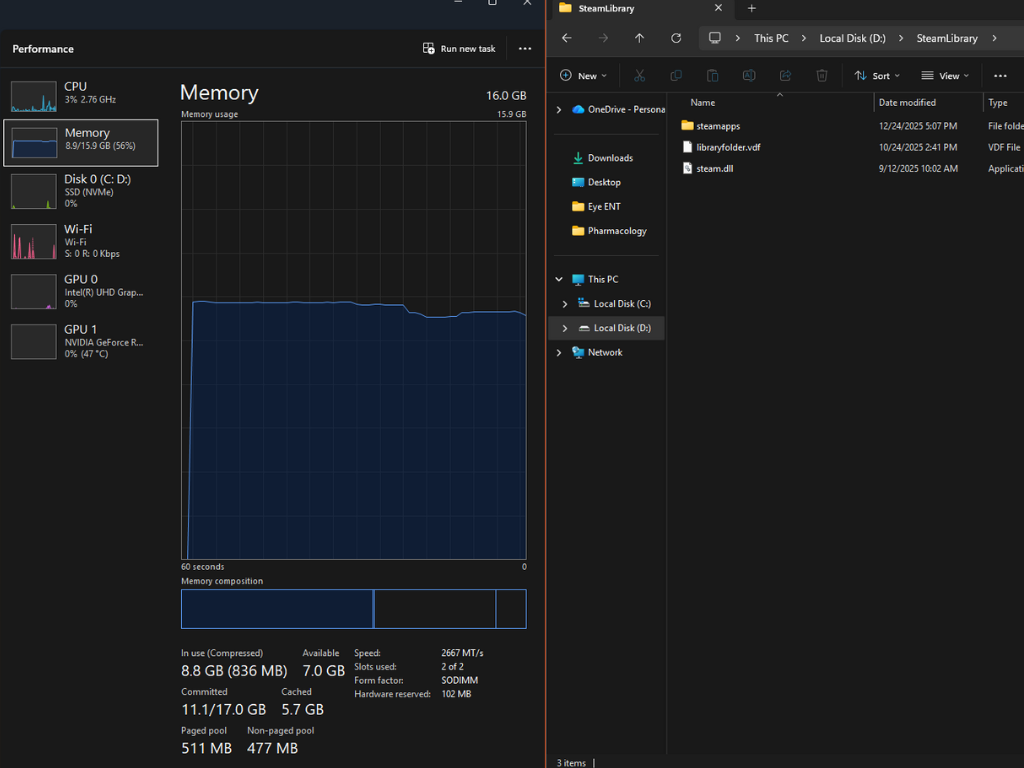
Microsoft is quietly working on a Windows 11 File Explorer update that could make everyday searches feel noticeably faster while cutting down on wasted RAM. File Explorer is one of the most-used parts of Windows, but it has also earned a reputation for being heavier on system resources than many users would like, especially compared to lighter alternatives on other operating systems. With more people complaining about Windows 11 performance and memory pressure, even small efficiency improvements can make a real difference.
The latest change is appearing in a recent Windows Insider Preview Build, where Microsoft is tightening how File Explorer handles its search and indexing behavior. The goal is straightforward: stop doing redundant work that doesn’t improve results, and reduce the resource drain that comes with it.
What’s actually changing is how File Explorer indexes files during searches. In the current behavior, Windows can end up repeating file-indexing operations and scanning the same locations more than once, particularly across multiple drives or overlapping paths. That repeated scanning can trigger unnecessary background activity, causing extra RAM usage and additional strain on the CPU and storage.
In the release notes for Insider Build 26220.7523, Microsoft says the update removes duplicate file indexing operations. In plain terms, File Explorer should stop re-cataloging the same file paths repeatedly and instead rely on one cleaner, more efficient indexing approach. The expected result is a double win: faster searches and lower system resource usage while those searches are running.
This kind of behind-the-scenes optimization matters most on older PCs and budget Windows 11 laptops, where limited memory and slower storage can make File Explorer feel sluggish during heavy searching or large folder browsing. Early impressions suggest search performance could improve significantly, with some reports pointing to searches potentially feeling up to twice as fast in certain situations. Microsoft hasn’t provided hard numbers on exactly how much RAM will be saved yet, but cutting redundant indexing should help reduce memory churn and keep systems feeling more responsive during file lookups.
Timing also makes this update feel especially relevant. PC memory prices and broader supply concerns have made many users hesitant to upgrade hardware, and plenty of people are trying to keep older devices running smoothly for as long as possible. At the same time, newer Copilot+ PCs are pushing higher baseline specs, including a 16GB minimum RAM requirement, which puts even more focus on optimizing core Windows features so the operating system runs efficiently across a wide range of hardware.
Right now, the update is limited to Windows Insiders using the Dev and Beta channels, delivered through a Controlled Feature Rollout. That means not everyone in the Insider program will see it immediately. Users who want the earliest access can try enabling the option to get the latest updates as soon as they’re available in Windows Update settings. Broader availability is expected later, with reports suggesting a wider rollout could land around late January or February 2026.
This won’t magically turn every Windows 11 PC into a speed machine, but it is the kind of practical improvement people actually feel: quicker file searches, less needless background activity, and a File Explorer experience that’s a bit lighter on RAM. For anyone who spends their day hunting through folders, work documents, photos, or downloads, that’s the kind of upgrade that can improve Windows 11 performance in a real, everyday way.