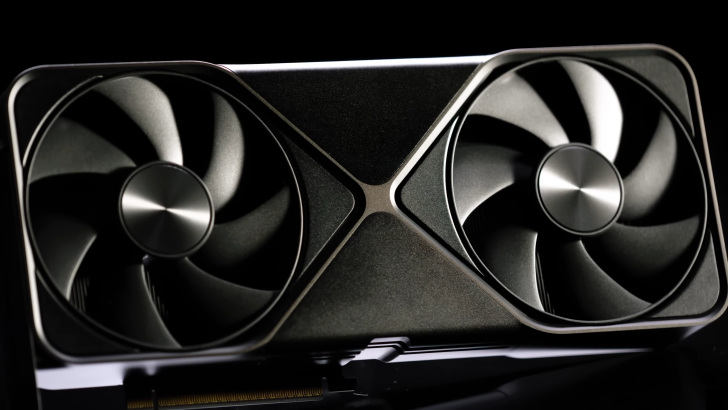
Users of NVIDIA’s latest GeForce RTX 5090 and RTX 5090D graphics cards are encountering a series of troubling issues, with some even experiencing a complete failure of their GPUs after installing the newest drivers. These cutting-edge graphics cards were officially released on January 30th, with the RTX 5090D being a special model for the Chinese market, altered to comply with U.S. export regulations by reducing its AI capabilities. Despite their advanced features and limited availability, the initial excitement has been overshadowed by complications reported by the early adopters.
Chinese tech communities such as Chiphell, Baidu, and social media hub Bilibili have been abuzz with user complaints about the RTX 5090D becoming non-functional, or “bricked,” after driver updates. This issue seems prevalent among graphics cards from manufacturers like Colorful and Manli, and there have even been isolated reports involving Gigabyte’s versions.
Many affected users describe a similar pattern: after successfully installing the GPU and booting the system, the screen goes black upon installing the driver, rendering the card undetectable by the system despite various troubleshooting efforts. Customers have attempted to test different display interfaces like DisplayPort and HDMI, but to no avail.
One notable account from a retail representative on Goofish reports that all RTX 5090 and 5090D cards are vulnerable to the driver-related malfunction, suggesting a high likelihood of the card becoming unresponsive. There are additional reports of graphical glitches and, in extreme cases, components suffering from IC burns.
The issue isn’t exclusive to the 5090D; similar complaints are surfacing from RTX 5090 users. On the r/ASUS subreddit, a user reported that their RTX 5090 failed to be recognized on Windows, either by drivers or BIOS, even after resetting CMOS settings. Some speculate that switching the PCI Express configuration from Gen5 to Gen4 might provide a workaround, particularly given that these new RTX 50 series cards are pioneering Gen5 technology, potentially causing compatibility issues with older motherboards.
Moreover, there are concerns about the power supply connectors used with these high-performance cards. Tests have demonstrated that under full load, the older 12VHPWR connectors can overheat and melt, similar to what occurred with the RTX 4090. Although no cases of damage from the new connectors for the RTX 50 series have been recorded yet, the limited availability of these cards makes monitoring these developments crucial.
As NVIDIA and its partners work to address these issues, affected users are advised to stay informed and cautious about installing new drivers and to explore potential workarounds for maintaining system stability. Keeping an eye on community updates and official announcements will be key as solutions and patches are developed.