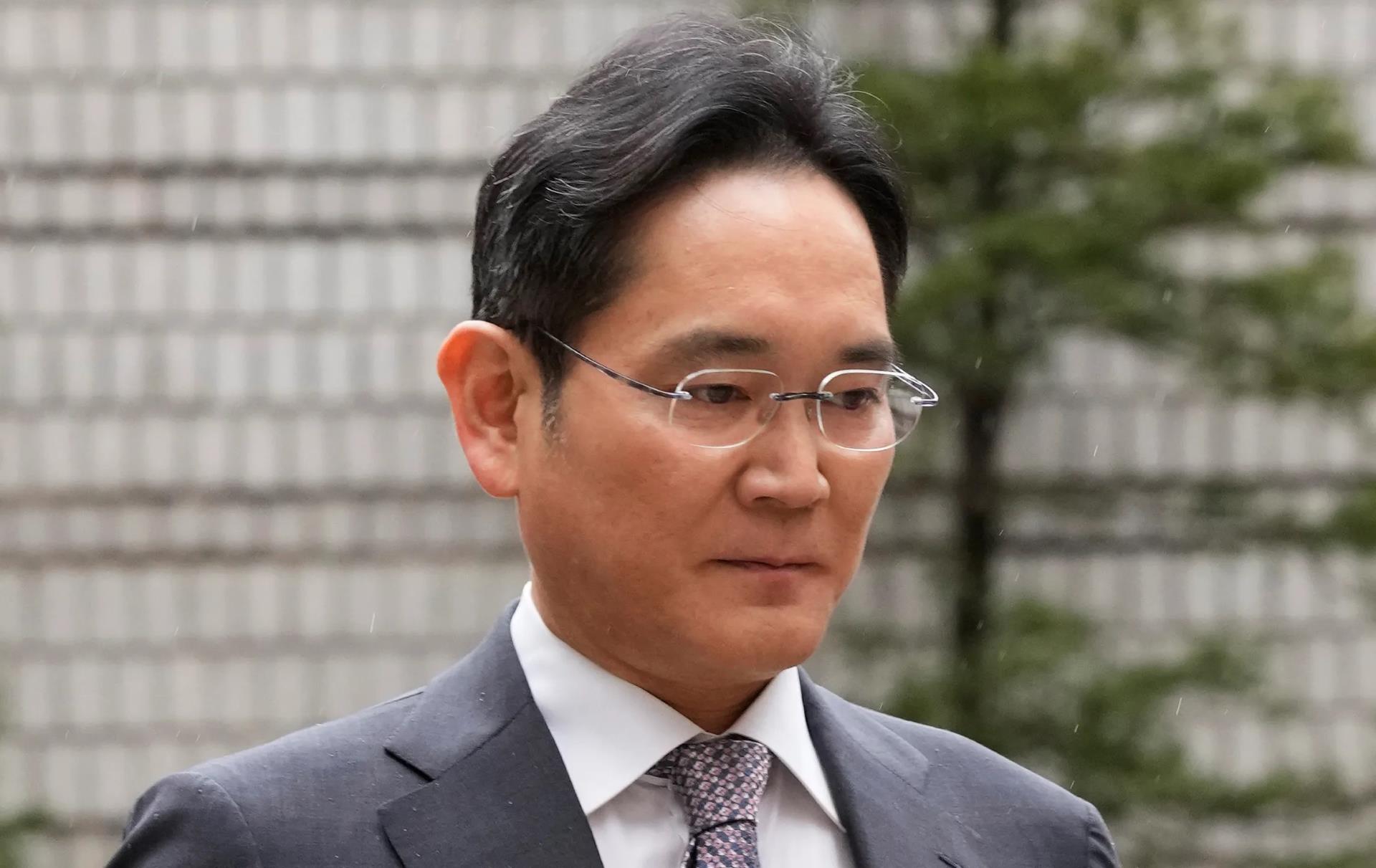
Lee Jae-yong, the prominent figure helming Samsung, can finally breathe easier following a significant legal victory. On Monday, a Seoul appeals High Court acquitted him of the accusations of manipulating stocks and committing accounting fraud. These charges, which had their roots in a high-profile 2015 merger, had cast a long shadow over Lee’s leadership, continuously questioning his ability to steer Samsung towards new milestones. As the era of AI intensifies, demand for chips and memory soars, yet Samsung hasn’t fully harnessed this opportunity.
For nearly a decade, Lee Jae-yong was entangled in court proceedings that threatened to derail his responsibilities at the tech behemoth. The controversy erupted with a merger between two Samsung firms, and Lee found himself at the epicenter. He faced allegations of engineering a $3.9 billion accounting deception at the company’s biopharmaceutical branch to alter the merger ratio for personal gain. Prosecutors, with Lee firmly in their sights, aimed for a five-year jail sentence, accusing him of manipulating the stock prices of Samsung C&T and Cheil Industries to execute the merger seamlessly.
Accusations suggested Lee Jae-yong’s maneuvers were strategic to secure his unchallenged control over Samsung. However, the Seoul High Court’s decision came as a welcome relief for Lee. The court concluded the merger was purely driven by business motives, finding no traces of deliberate accounting misconduct. This exoneration could not have arrived at a more critical juncture, as Samsung currently navigates a series of challenges, particularly feeling the heat from its competitive memory division.
The global semiconductor sector is fiercely competitive, and Samsung’s recent setbacks have not gone unnoticed. The company has seen its market value plummet by over a third in just six months, trailing behind rivals like SK hynix and Micron in the race to supply High Bandwidth Memory chips to industry leaders like NVIDIA. According to Lee Jae-yong and his legal team, these legal wrangles have significantly contributed to Samsung’s struggle to stay ahead and make acquisitions that could bolster its global influence.
Lee Jae-yong is visibly relieved by this turn of events. Reports suggest that various challenges, including policies like U.S. tariffs, have aggravated Samsung’s predicament. Nonetheless, Lee expresses optimism about the future. He emphasizes the need for Samsung to shed outdated business strategies and embrace transformation, setting its sights on a revitalized chapter.