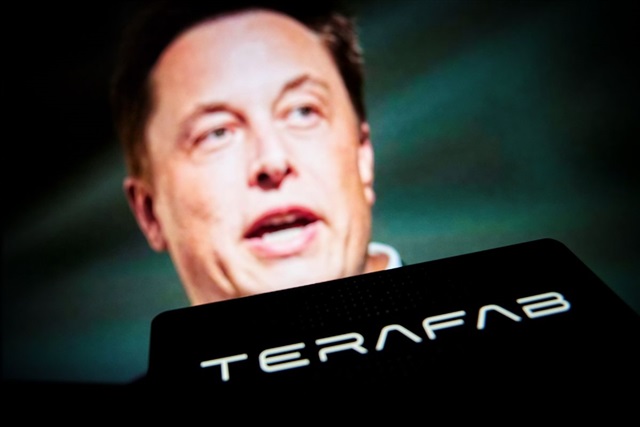
Elon Musk’s Terafab Push Could Reshape the Semiconductor Supply Chain
Elon Musk appears to be moving forward with his ambitious Terafab plans, with Tesla and SpaceX reportedly in talks with around 10 semiconductor-related suppliers in South Korea. The discussions suggest that Musk’s companies are looking to build a stronger, more reliable chip production ecosystem at a time when advanced manufacturing capacity is becoming increasingly important for electric vehicles, artificial intelligence, robotics, satellites, and next-generation computing.
According to the reported details, the negotiations involve South Korean companies that provide key semiconductor materials, components, and manufacturing equipment. These are not minor parts of the production chain. The talks are said to include process materials, piping systems, valves, wastewater recycling equipment, and semiconductor testing components. Each of these areas plays an important role in building and operating large-scale chip manufacturing facilities.
The move highlights how Tesla and SpaceX may be seeking deeper control over the technology supply chain. Tesla depends heavily on advanced chips for self-driving systems, battery management, energy products, and robotics. SpaceX also relies on high-performance electronics for rockets, satellites, Starlink infrastructure, and other aerospace systems. A larger semiconductor manufacturing strategy could help reduce supply risks and support Musk’s long-term expansion plans.
South Korea’s semiconductor industry is already one of the most advanced in the world, with a strong network of materials, equipment, and precision component suppliers. By approaching South Korean companies, Tesla and SpaceX could gain access to experienced partners capable of supporting complex manufacturing requirements. This would be especially important if Terafab is designed to operate at an extremely large scale.
The development also raises an important question for Taiwan’s semiconductor supply chain. Taiwan remains a global powerhouse in chip manufacturing, packaging, and electronics components. If Tesla and SpaceX expand their semiconductor ambitions, Taiwanese suppliers could still benefit from rising demand for advanced manufacturing support, testing services, precision parts, and related technologies.
However, the reported focus on South Korean suppliers suggests that competition across Asia’s semiconductor ecosystem could intensify. Companies in South Korea, Taiwan, Japan, and other major technology hubs may all look for opportunities tied to Musk’s expanding hardware ambitions.
For Tesla, securing semiconductor supply has become increasingly strategic. Modern electric vehicles rely on powerful processors, sensors, power electronics, and custom silicon. As the company pushes further into autonomous driving and humanoid robotics, demand for specialized chips is likely to grow. SpaceX faces similar needs as it scales satellite production and expands global connectivity services.
Terafab could become a major step in Musk’s broader effort to bring critical manufacturing closer to his companies’ core operations. While many details remain unclear, the reported talks with South Korean suppliers show that planning is already reaching into the semiconductor equipment and materials sector.
If the project continues to advance, it could influence global chip supply chains, create new opportunities for specialist suppliers, and increase competition among Asia’s leading semiconductor markets. For now, the key takeaway is clear: Tesla and SpaceX appear to be looking beyond finished chips and toward the deeper infrastructure needed to support future semiconductor production at scale.