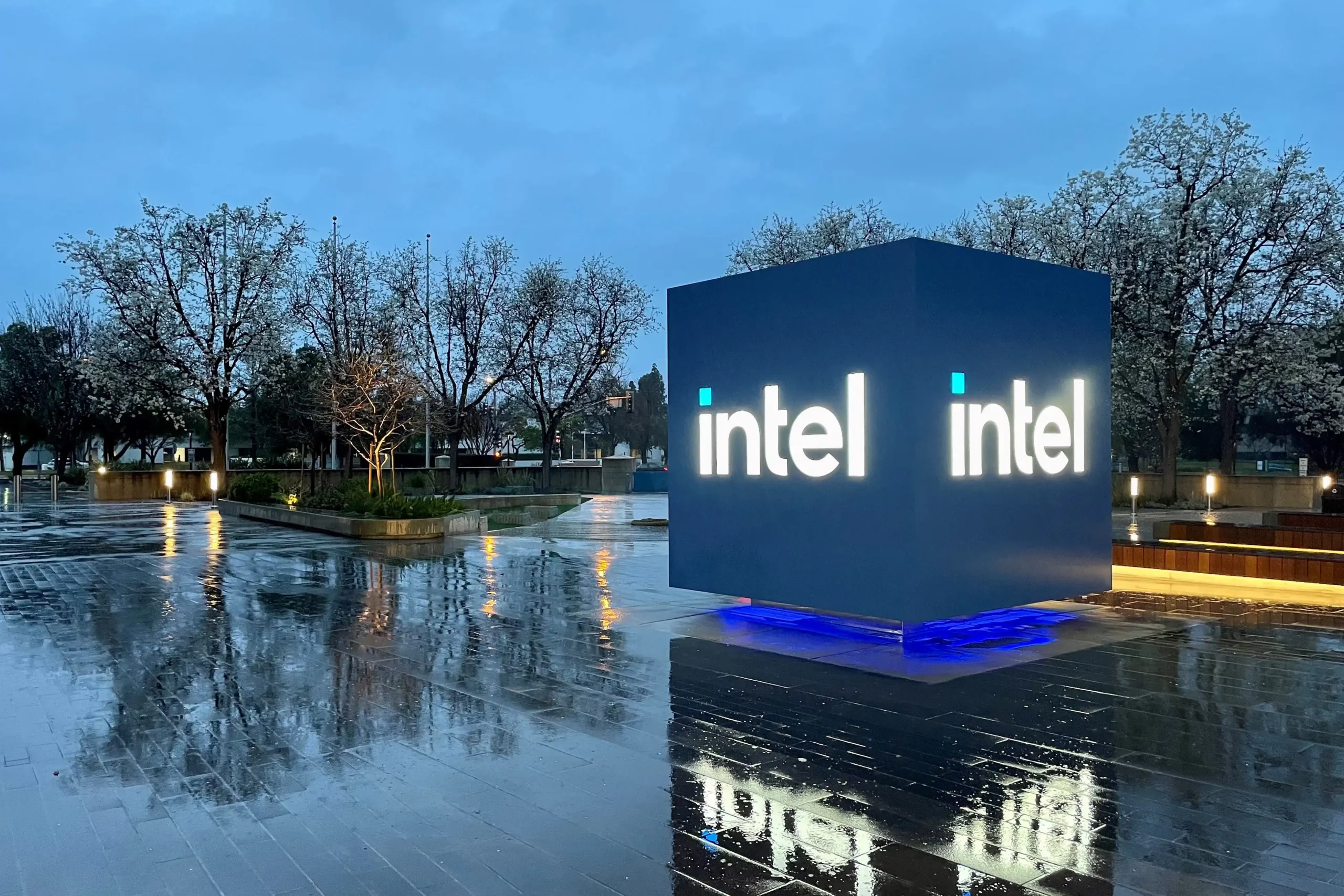
In what many consider a surprising development, industry giants Intel and TSMC are rumored to be joining forces in a groundbreaking collaboration. Speculation is swirling around a joint venture that could see TSMC, a leading Taiwan-based semiconductor manufacturer, managing Intel’s facilities in the United States. This proposed partnership hints at a bold new direction in the tech industry, aiming to reinvigorate America’s semiconductor sector.
Intel and TSMC, historically fierce competitors, are reportedly putting rivalries aside to address broader geopolitical and economic goals. Under the Trump administration, boosting the US’s semiconductor manufacturing capabilities has been a significant focus, with Intel likely playing a crucial role in this strategy. According to reports, this deal could mark the start of a significant technology shift, bringing advanced semiconductor capabilities back to US shores. Although specifics of the agreement remain under wraps, it is suggested that TSMC might take a 20% stake in Intel’s Foundry division, thus initiating an unprecedented level of collaboration.
There is much speculation surrounding this potential alliance. On the one hand, TSMC is under pressure to alleviate the impact of US tariffs and sees collaboration with Intel, alongside its US investments, as a strategic move. On the other hand, for Intel, this partnership could rejuvenate its standing in the global semiconductor market.
However, the road to success appears complex. Intel and TSMC are fundamentally different in their approaches to management and technology. Synchronizing these divergent paths into a cohesive strategy will not be straightforward. Achieving full integration could take years or even decades. Furthermore, Intel’s Foundry Services, under new CEO Lip-Bu Tan, recently achieved a milestone with its 18A process risk production, showcasing its independent advancements and emphasizing the company’s client-centric focus. This raises questions about how a partnership with TSMC would fit into Intel’s existing strategy.
While the prospect of an Intel-TSMC collaboration is exciting, it brings with it many uncertainties. The potential benefits are substantial, but would depend on the two giants’ ability to integrate their operations and navigate complex challenges together. This venture could open a new chapter in semiconductor innovation, provided both companies can align their visions for the future.