Core Ultra 7 255U vs 155U: why the same iGPU can feel very different from one laptop to another
If you’re comparing new thin-and-light laptops built around Intel’s Arrow Lake-U chips, here’s the big takeaway: the Intel Graphics 4-Core iGPU can perform very differently depending on the laptop, and in some cases a Core Ultra 7 255U system can run noticeably slower than a well-tuned Core Ultra 7 155U model in graphics-heavy tasks.
What’s going on? Both the Core Ultra 7 255U and 155U pair with the same 4-core integrated GPU, so raw graphics capability is identical on paper. The real-world gap comes from how each notebook allocates power, manages heat, and feeds the iGPU with memory bandwidth. In other words, OEM design choices matter more than the U-series badge.
What influences Arrow Lake iGPU performance
– Power limits and thermals: Slim designs often restrict sustained power to keep temperatures and noise low. If the CPU is pulling more of the budget, the iGPU may throttle earlier in games or creative apps.
– Memory configuration: The iGPU depends heavily on RAM speed and channel count. Dual-channel DDR5/LPDDR5X with higher frequencies can deliver a big uplift over single-channel setups.
– Cooling design and chassis size: Larger notebooks typically sustain higher clocks longer; ultra-thin 2-in-1s may show quick boost but drop under sustained load.
– Vendor performance modes: Balanced or quiet profiles can cut GPU performance by double-digit percentages compared to a Performance mode.
– Drivers and firmware: Updated graphics drivers and BIOS can improve stability and frame pacing, especially on brand-new platforms like Arrow Lake.
How this plays out across popular models
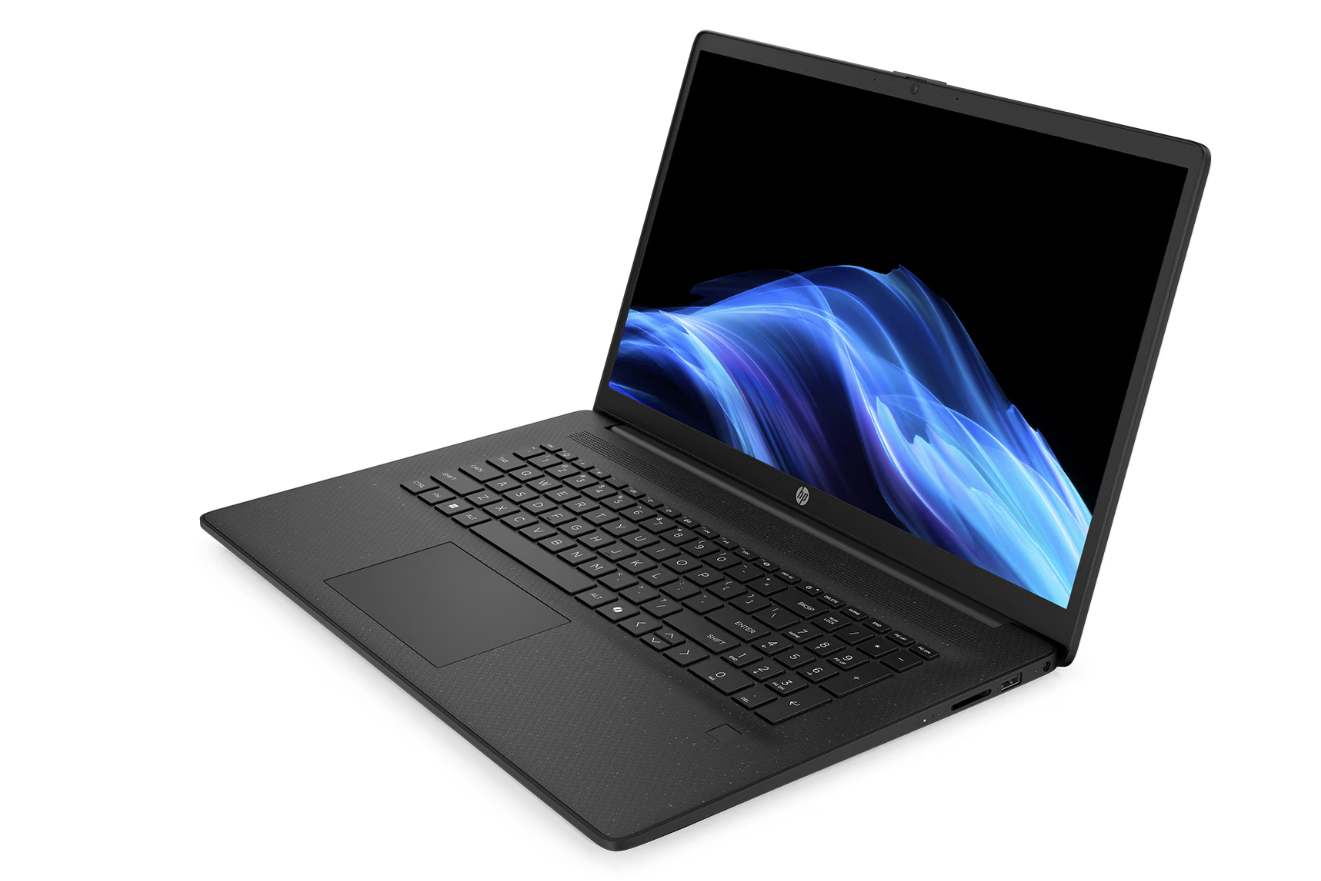
Among recently listed devices such as the Lenovo IdeaPad 5 2-in-1 16IAL10 (Core Ultra 7 255U), HP 17t-cn500 (Core Ultra 7 255U), and Lenovo ThinkPad T14s 2-in-1 Gen1 (Core Ultra 7 255U), we’ve seen cases where the iGPU underperforms expectations. Meanwhile, well-optimized Core Ultra 7 155U machines like the Lenovo Yoga Book 9 13IMU9, Lenovo ThinkPad E14 G6, HP Envy x360 15 fe1071cl, Asus ExpertBook B5 B5404CMA, and Lenovo ThinkPad T14 G5 can keep the iGPU fed and cooled, leading to better or more consistent frame rates than some 255U systems.
One important outlier is any configuration with a discrete GPU. For example, an HP Envy 17 with a GeForce RTX 3050 will outpace Arrow Lake’s integrated graphics by a wide margin in 3D work, GPU-accelerated creation, and gaming.
What to look for before you buy
– Memory matters: Prefer dual-channel memory and faster LPDDR5X/DDR5 options. Avoid single-stick configurations.
– Thermal headroom: If you care about sustained performance, a slightly thicker chassis with a stronger cooling solution is often the safer bet.
– Performance profiles: Check whether the laptop offers Performance mode when plugged in.
– Display resolution: Pair the iGPU with 1080p or 1200p; higher resolutions can overwhelm a 4-core iGPU in modern games.
– Driver support: Ensure the vendor provides frequent firmware and graphics driver updates, especially in the first months after launch.
Who should pick which chip
– Core Ultra 7 155U in a well-tuned design: Great for everyday productivity, light content creation, and casual gaming when paired with fast dual-channel memory. Can match or beat a poorly tuned 255U in iGPU workloads.
– Core Ultra 7 255U: Best if the laptop’s thermal design and power limits are generous, allowing higher sustained CPU performance. If the system is thin and heavily restricted, don’t expect a graphics advantage over the 155U.
– Discrete GPU configurations: Choose these if you plan on video editing with heavy effects, 3D rendering, or modern gaming at higher settings.
Bottom line
The Arrow Lake 4-core iGPU is consistent on paper but inconsistent in the wild. A Core Ultra 7 255U isn’t guaranteed to be faster than a Core Ultra 7 155U for graphics; memory setup, cooling, and power budgets decide the outcome. If integrated graphics performance matters to you, scrutinize the specific laptop’s configuration and design, not just the processor name.