## Volkswagen Pledges Affordable EVs for Europe Amidst Chinese Market Pressure
European electric vehicle (EV) markets are currently undergoing a significant shake-up due to the aggressive expansion of Chinese EV manufacturers. With a surge in imports from China to Europe, local automakers are feeling the heat. Reports indicate that Chinese EV exports to the European Union (EU) have risen sharply, now comprising 37% of all EV imports into the area, summing up to an impressive $11.5 billion in 2023. This uptrend is underpinned by the fact that Chinese manufacturers profit more by selling these vehicles in the EU than in their own country, presenting a challenge to European carmakers to maintain their market share.
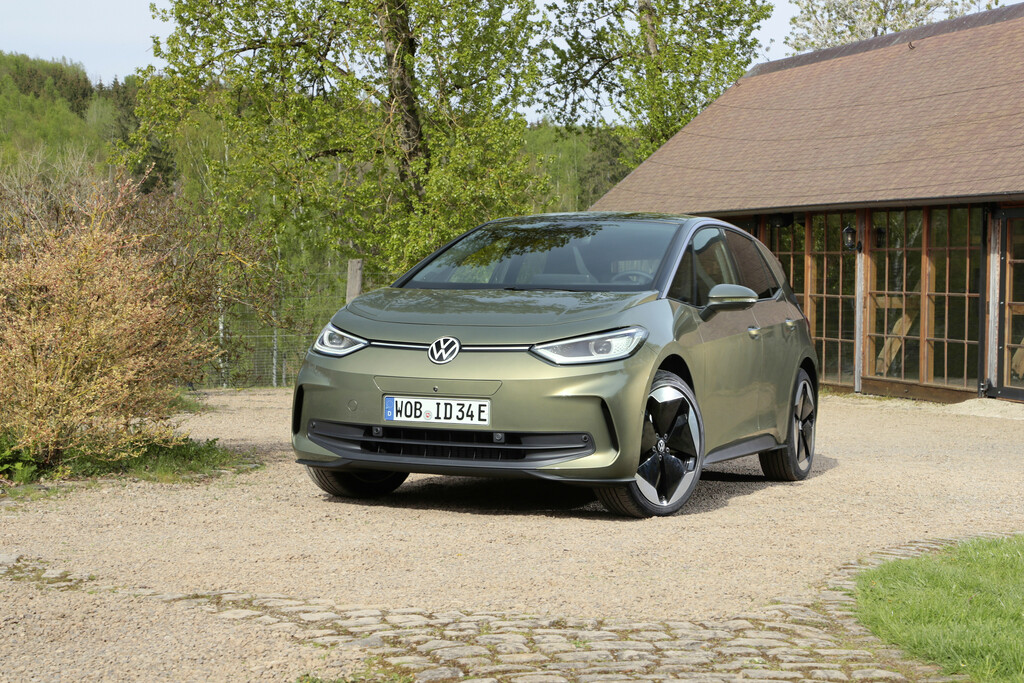
As the competition intensifies, Volkswagen, one of Europe’s impactful automotive brands, has disclosed its strategy for countering the influx of Chinese EVs. The German automaker is in the process of developing more affordable electric vehicles. Touting a proposed price tag of €20,000, Volkswagen aims to introduce these budget-friendly EV options to the market by 2027. With the brand’s current least expensive EV, the ID.3 Pro, hovering around the €40,000 mark, this commitment towards economical models signals a much-needed shift in Volkswagen’s product lineup. However, this also means patience is required from consumers, as these cost-effective EV solutions from Volkswagen won’t hit the market immediately.
### The Dilemma of Import Tariffs
The European Commission is exploring avenues to limit the predominance of Chinese EVs by implementing import tariffs. There is anticipation for new measures to take effect as early as next month. However, there’s skepticism about the effectiveness of such tariffs. Even if tariffs reach as high as 30%, Chinese cars could remain more profitable in the EU than in China due to factors such as vertical integration and robust supply chain management.
The potential backlash of such protectionist measures is a concern for other German automakers like BMW. They warn that steep tariffs could trigger retaliatory actions from China, adversely affecting European brands in the process. Reflecting on the proposed measures, BMW’s CEO Oliver Zipse highlighted the current low market share of Chinese manufacturers in Germany and Europe, and the potential harm of tariffs to European car makers more than to their Chinese competitors.
### Volkswagen’s Forward-Looking Strategy
Volkswagen’s announcement about launching more economical EV options by 2027 is a beacon of progress for the European auto industry, which is hungry for solutions to stay competitive. As long as European manufacturers keep focusing on innovation and improving their competitiveness, they can maintain a strong stance in the global market, even in the face of growing external pressures.
European automakers are aware that innovation and cost-competitiveness are key to their survival and success. With Volkswagen’s pledge to bring cheaper EVs to consumers, there’s a glimmer of hope that the tides may turn in their favor. This development is a clear indicator that manufacturers are taking necessary steps towards securing a future where European EVs can stand their ground against international competition.
In the interim, it’s not just about waiting for Volkswagen’s new releases; it’s about recognizing the shift in the automotive sector and the importance of adapting to a rapidly changing market. The future of the European EV market hinges on the ability of well-established manufacturers to respond with agility and foresight to the innovations and competitive pricing of global players.


