Toyota, the automotive giant, has recently unveiled an innovative new generation of hybrid car engines that are significantly more compact than their predecessors, boasting a size reduction of up to 20%. This development by Toyota is a testament to their continued commitment to diversifying their vehicle offerings and advancing hybrid technology.
In a strategic move, Toyota plans to incorporate these newly developed powertrains directly into the existing platforms of their diesel and gasoline-powered vehicles. The integration is expected to yield an expanded power output, especially when these engines are combined with battery technology. Toyota’s approach appears finely tuned to market conditions, as it continues to reserve its electric vehicle (EV) offerings for regions well-equipped with charging infrastructure and where there’s sufficient consumer purchasing power.
Toyota’s efforts come at a time when there has been a noticeable shift in the car industry, with various manufacturers investing heavily in the transition to green transportation and EVs. However, Toyota’s investment in their new engine technology is reportedly a mere fraction of what competitors are spending on EV development. Toyota’s strategy seems to focus on leveraging hybrid technology—a domain where they are well-established—while also keeping an eye on the future of EVs.
One of the notable elements of the latest powertrain development is that it has been crafted with the flexibility to function using alternative, carbon-neutral fuels. This paves the way for Toyota not only to continue to meet, but also to potentially exceed, environmental standards while addressing the growing need for cleaner fuel options.
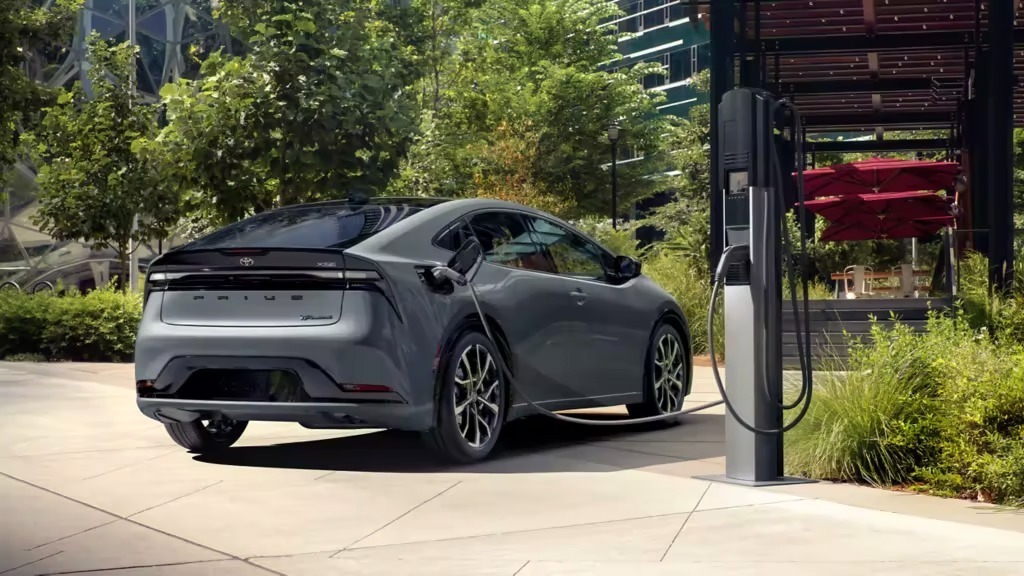
By persisting in their use of hybrid technologies, which have been validated through vehicles like the Toyota Prius, the company has rather shrewdly positioned itself in the market. This strategic positioning has coincided with an increase in demand for hybrid vehicles—a trend illustrated by Toyota’s report of record-smashing quarterly profits.
The exact costs associated with the development of Toyota’s new compact engines have not been disclosed. Nonetheless, by indicating the investment to be “magnitudes smaller” than the industry’s heavy financial commitment to EVs—often at a significant loss per unit—Toyota signals confidence in its approach.
As the automotive industry continues to navigate the transformation towards electrification and a more sustainable future, Toyota’s new engines will likely play a pivotal role in their portfolio. The automotive leader’s combination of strategic diversification, investment in proven technologies, and keen market awareness could set an example for others to consider a balance between immediate transitions and long-term innovations.
For consumers looking towards a more energy-efficient transportation option, Toyota’s evolving hybrid technology signifies a compelling choice. This latest development from Toyota not only offers improved size and performance but also signals the potential for an expanded range of environmentally considerate vehicles tailored to a variety of markets and consumer requirements.