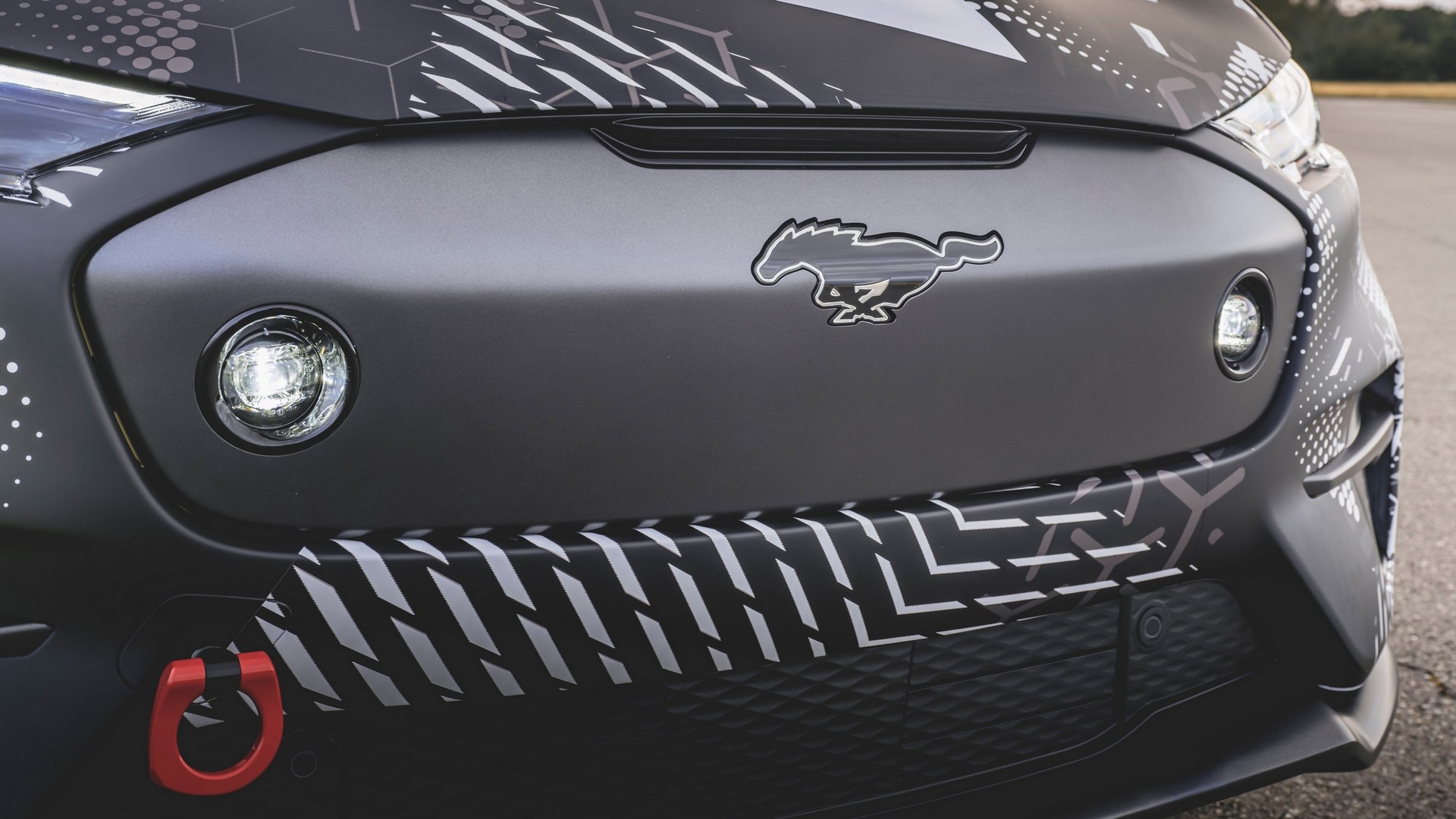
The landscape of the automotive market is shifting, with electric vehicles (EVs) at the forefront of discussions surrounding the future of transportation. However, despite the push towards electrification, the EV market is facing challenges, including slowing sales and a buildup of inventory that’s driving prices down. Within this context, alternatives to full electric vehicles are gaining attention, particularly hybrids.
Jim Farley, the CEO of Ford, has been vocal about the potential of hybrids in the current market. In contrast with plug-in hybrid electric vehicles (PHEVs), Farley champions the promise of mild or extended-range hybrids as pivotal to the automotive industry’s advancement. His remarks at a Bernstein conference highlighted that such technology could present a strategic direction for manufacturers.
Supporting Farley’s perspective is recent research from the KPMG American Perspectives Survey, which sheds light on consumer preferences. The study, encompassing 1,500 participants from across the United States, reveals considerable interest in hybrid vehicles with 34% of respondents and an even more significant 43% on the US West Coast open to choosing a hybrid. In stark contrast, only 21% of those surveyed were inclined towards electric vehicles, and a mere 3% showed no clear preference.
It’s interesting to note that within the survey, if an electric vehicle, a standard gas-powered (ICE) car, and a hybrid were all available at the same price point and with comparable features, the respondents were asked their preferred purchase option. Although the scenario is hypothetical—given the price disparities in the real world—it provides valuable insight into consumer tendencies.
Auto manufacturers, including Jeep, General Motors, and Ford, are working towards making EVs more affordable, which could shift consumer preferences in the years ahead. Additionally, the increasing competition from Chinese EV brands is expected to catalyze a reduction in EV prices.
As the automotive industry evolves, consumers and manufacturers alike are looking at the broad spectrum of technologies available to find the most suitable and sustainable options for transportation. The discussions around EVs, hybrids, and traditional ICE vehicles continue to influence future models and market offerings, with a clear signal that hybrids are not just a bridge technology but a long-term contender in the evolving landscape of mobility.